Why Your Car Shakes at Highway Speed
If your car shakes when driving on the freeway, the problem should not be ignored.
Many drivers first notice vibration between 50 and 75 mph. The steering wheel may shake, the seat may vibrate, or the whole vehicle may feel unstable.
One of the most common causes is a wheel or tire balance problem, but vibration can also come from worn suspension parts, damaged tires, bent wheels, alignment issues, or brake problems.
What Causes Vibration at Highway Speed?
A vehicle can shake for several reasons. The most common include:
-
Unbalanced wheels
-
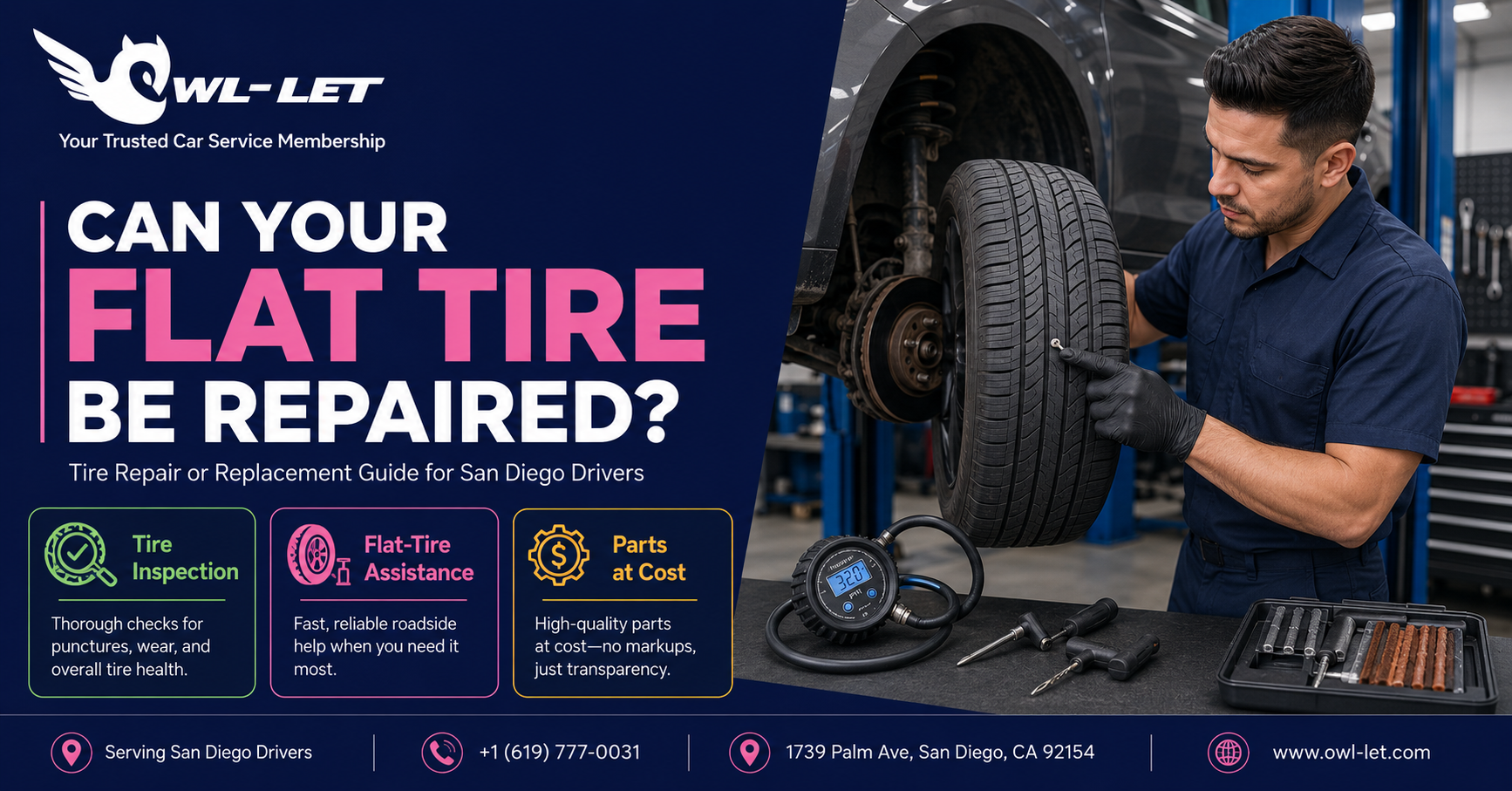
Tire wear or tire damage
-
Bent wheels
-
Poor wheel alignment
-
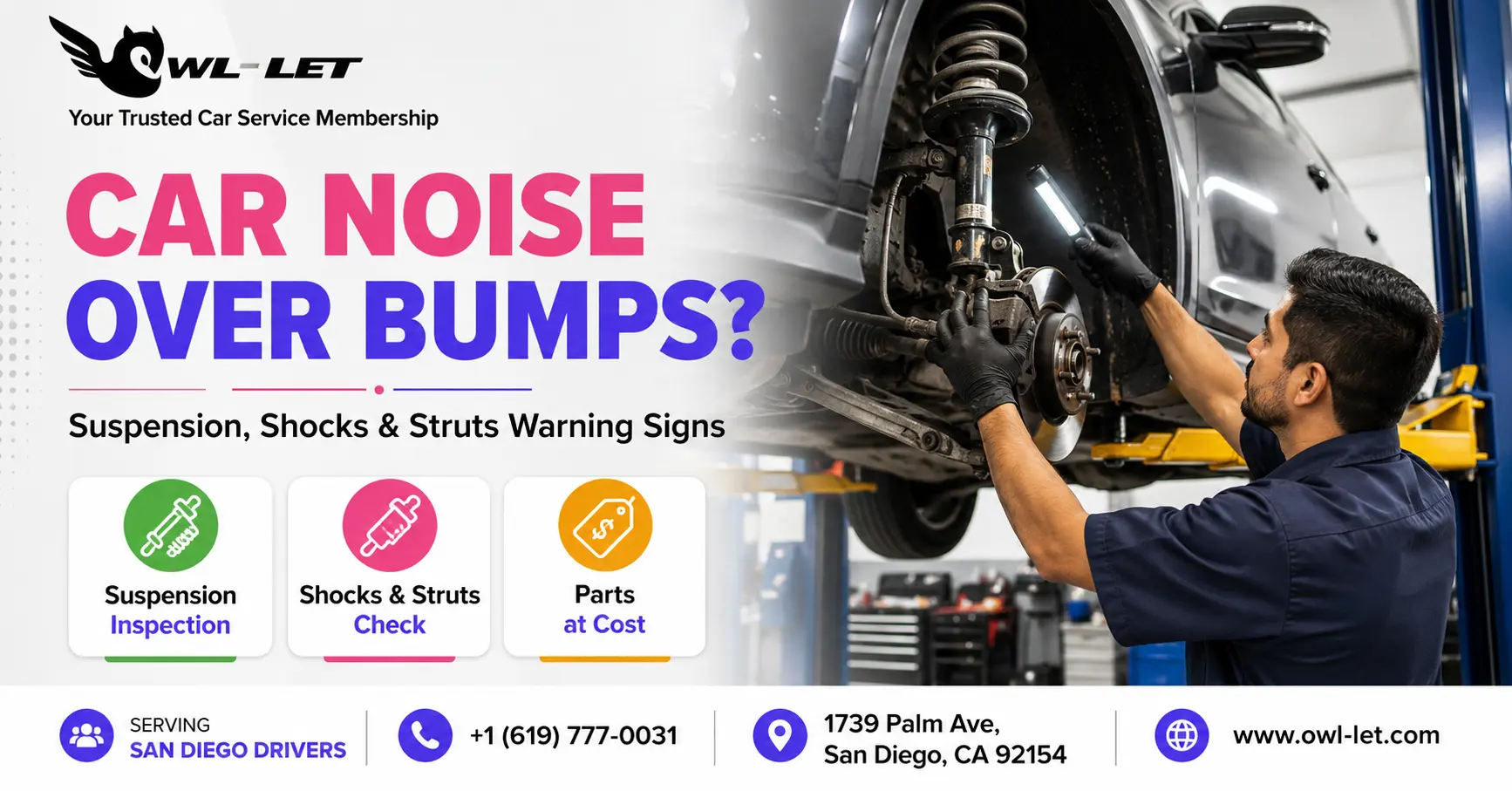
Worn suspension parts
-
Loose steering components
-
Brake rotor issues
-
Wheel bearing problems
If the vibration gets worse with speed, wheel balance or tire condition is often the first thing to check.
If the vibration happens mainly while braking, the problem may be related to the brake system.
What Is Road Force Wheel Balancing?
Standard wheel balancing checks whether the tire and wheel assembly has uneven weight distribution.
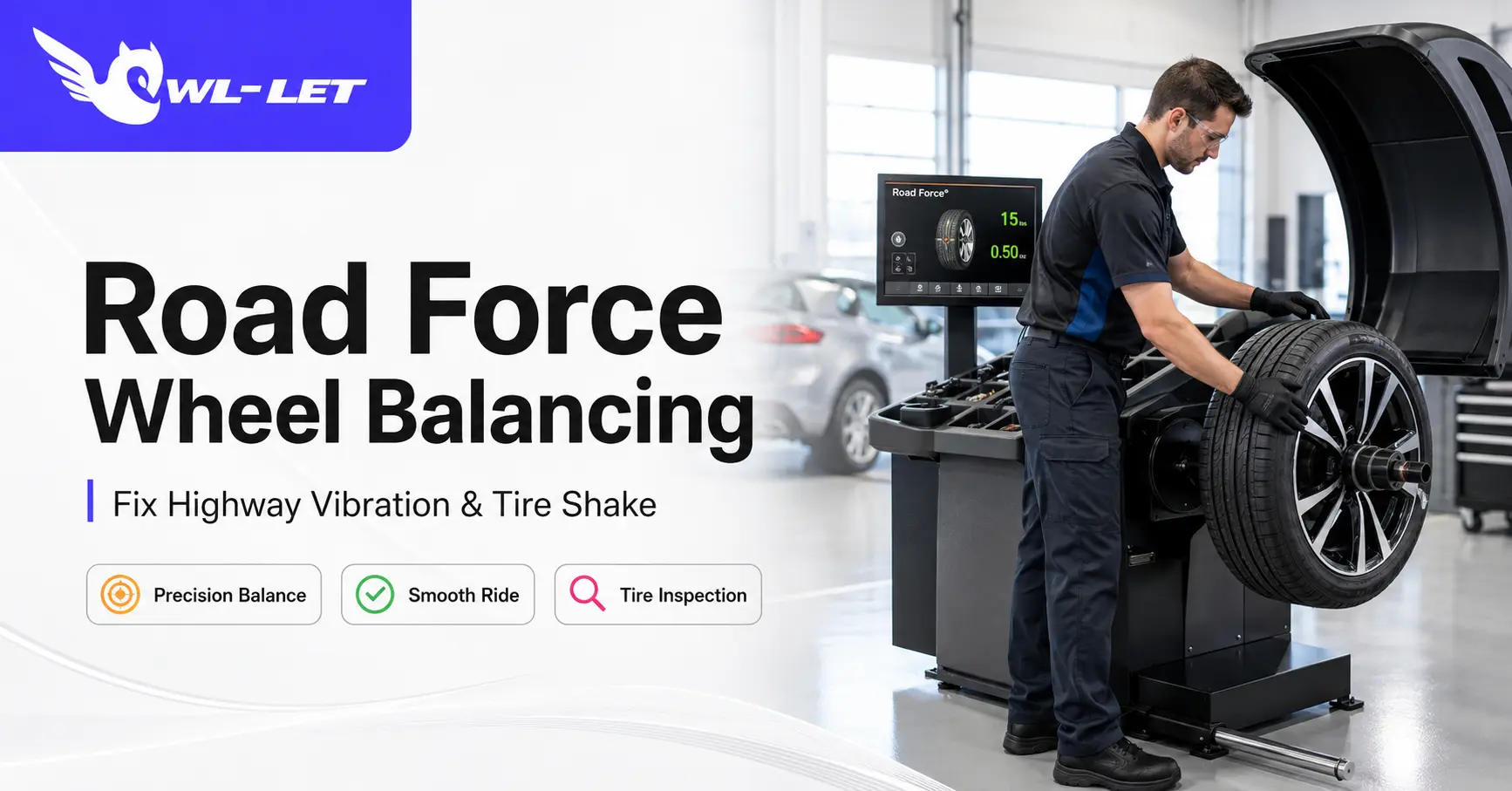
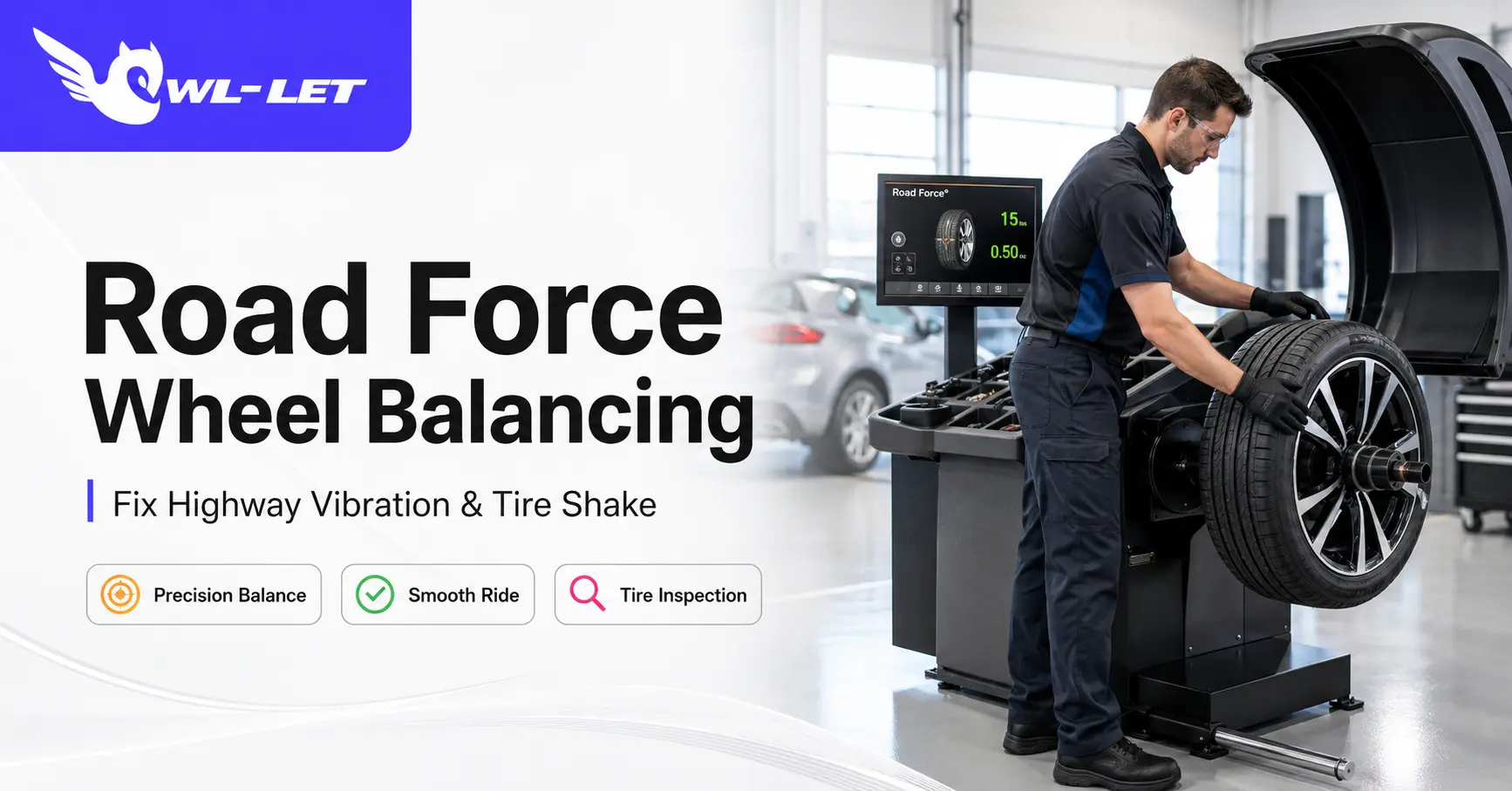
Road Force Wheel Balancing goes further.
It applies pressure against the tire while it spins, helping simulate real road contact. This can help identify problems that a basic balance may miss, such as tire stiffness variation, wheel runout, or tire-and-wheel matching issues.
Road Force Balancing may be useful when:
-
Your car shakes at highway speed
-
New tires still vibrate
-
Standard balancing did not fix the issue
-
The steering wheel shakes
-
The vehicle feels rough on smooth roads
-
A tire or wheel may be slightly out of round
Is Wheel Balancing the Same as Wheel Alignment?
No. Wheel balancing and wheel alignment are different services.
Wheel balancing corrects weight distribution around the tire and wheel.
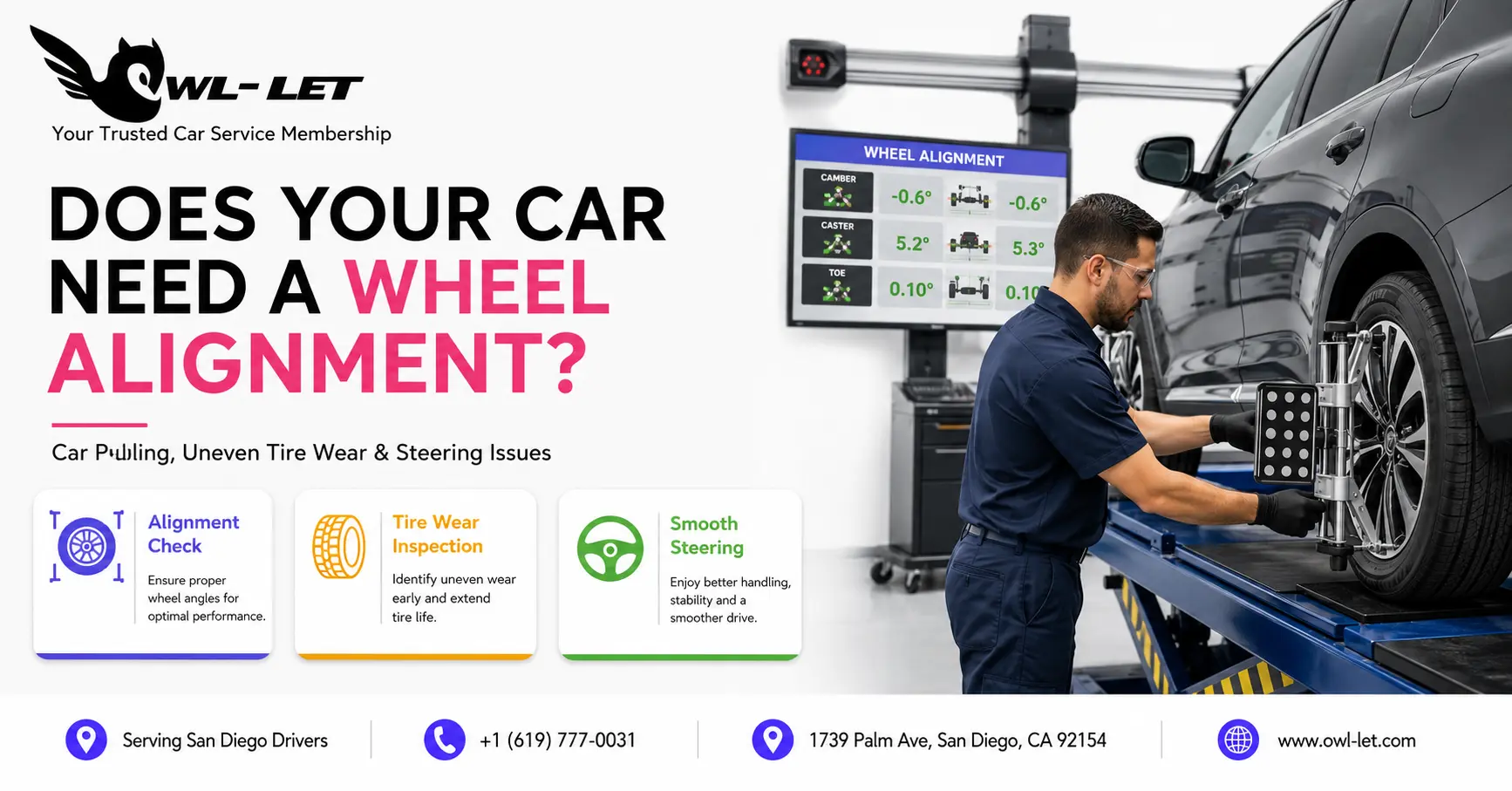
Wheel alignment adjusts the angles of the wheels so the vehicle tracks correctly and the tires wear evenly.
You may need balancing if your car shakes at higher speeds. You may need alignment if the car pulls to one side, the steering wheel is off-center, or the tires wear unevenly.
Sometimes a vehicle needs both services.
Signs You May Need Wheel Balancing
Schedule an inspection if you notice:
-
Steering wheel vibration
-
Seat or floor vibration
-
Shaking at freeway speeds
-
Uneven tire wear
-
Noise from the tire area
-
Vibration after new tires
-
Vibration that gets worse over time
A tire problem can become a safety issue if ignored. Damaged tires, bent wheels, or loose suspension parts should be inspected as soon as possible.
Can You Drive With Tire Vibration?
You may be able to drive short distances if the vibration is mild, but you should schedule service soon.
Stop driving and seek help if:
-
The vibration is severe
-
The steering feels loose
-
The vehicle pulls suddenly
-
You hear grinding or thumping
-
A tire looks damaged
-
The vehicle feels unsafe
Driving with vibration can cause uneven tire wear and may make existing suspension or tire problems worse.
How OWL-LET May Help
OWL-LET provides diagnostics, maintenance, and auto repair services for San Diego drivers.
Members may receive:
-
Free diagnostics
-
Qualifying parts at cost
-
Member labor pricing
-
Roadside benefits depending on the selected plan
-
Local service support
Membership plans start at $24.99 per month.
Benefits vary by plan, so drivers should review current membership details before enrolling or relying on a specific benefit.
Schedule Wheel Balancing in San Diego
If your vehicle shakes at highway speed, do not guess the cause.
A proper inspection can check the tires, wheels, suspension, steering, brakes, and balance condition before recommending service.
OWL-LET Service Center
1739 Palm Ave, San Diego, CA 92154
Phone
+1 (619) 777-0031
OWL-LET can inspect the vibration, explain the likely cause, and recommend the right service for your vehicle.
Service availability, diagnostics, pricing, parts, and membership benefits vary by vehicle and plan.
Comments 0
No comments yet
Be the first!