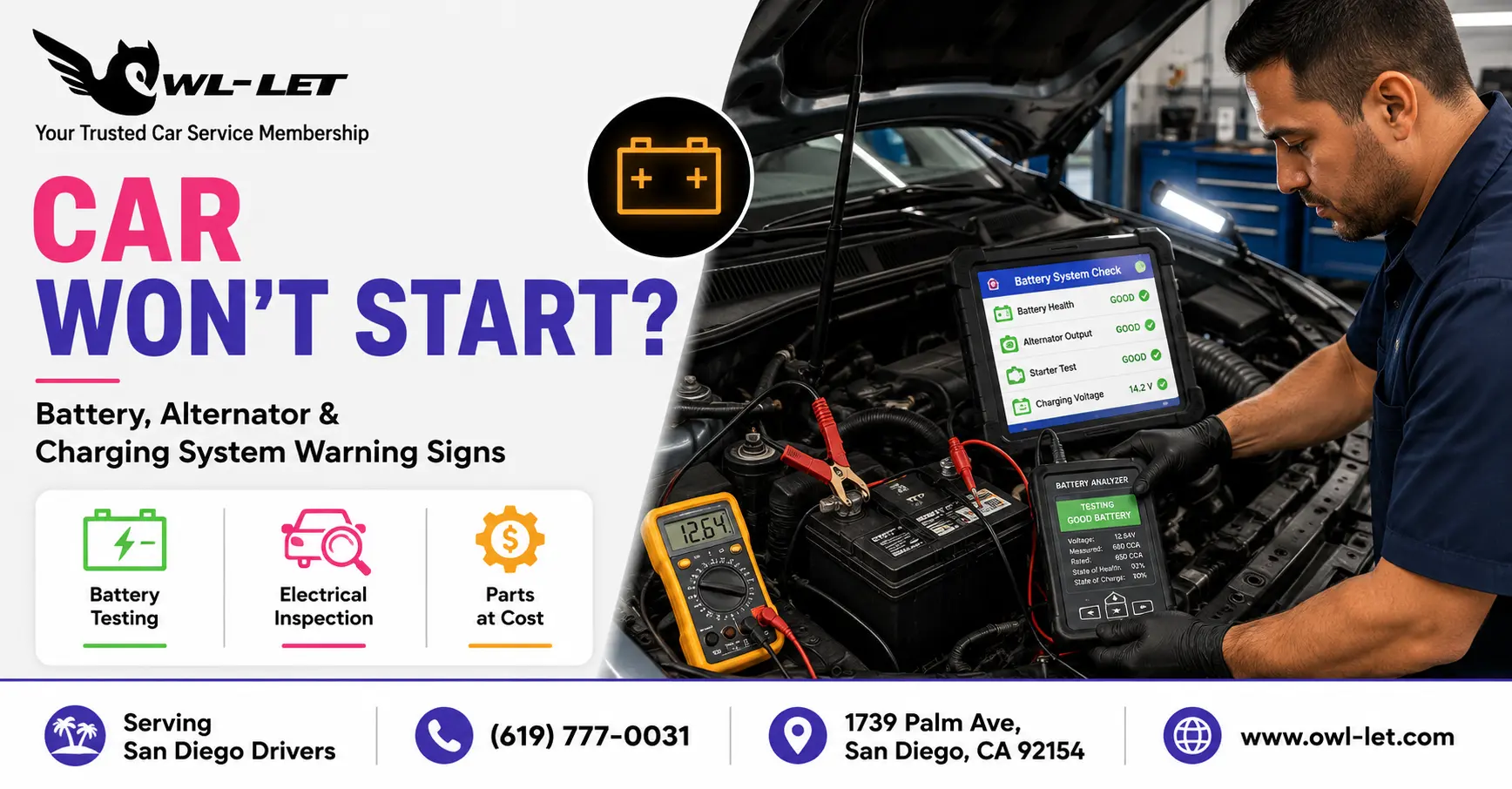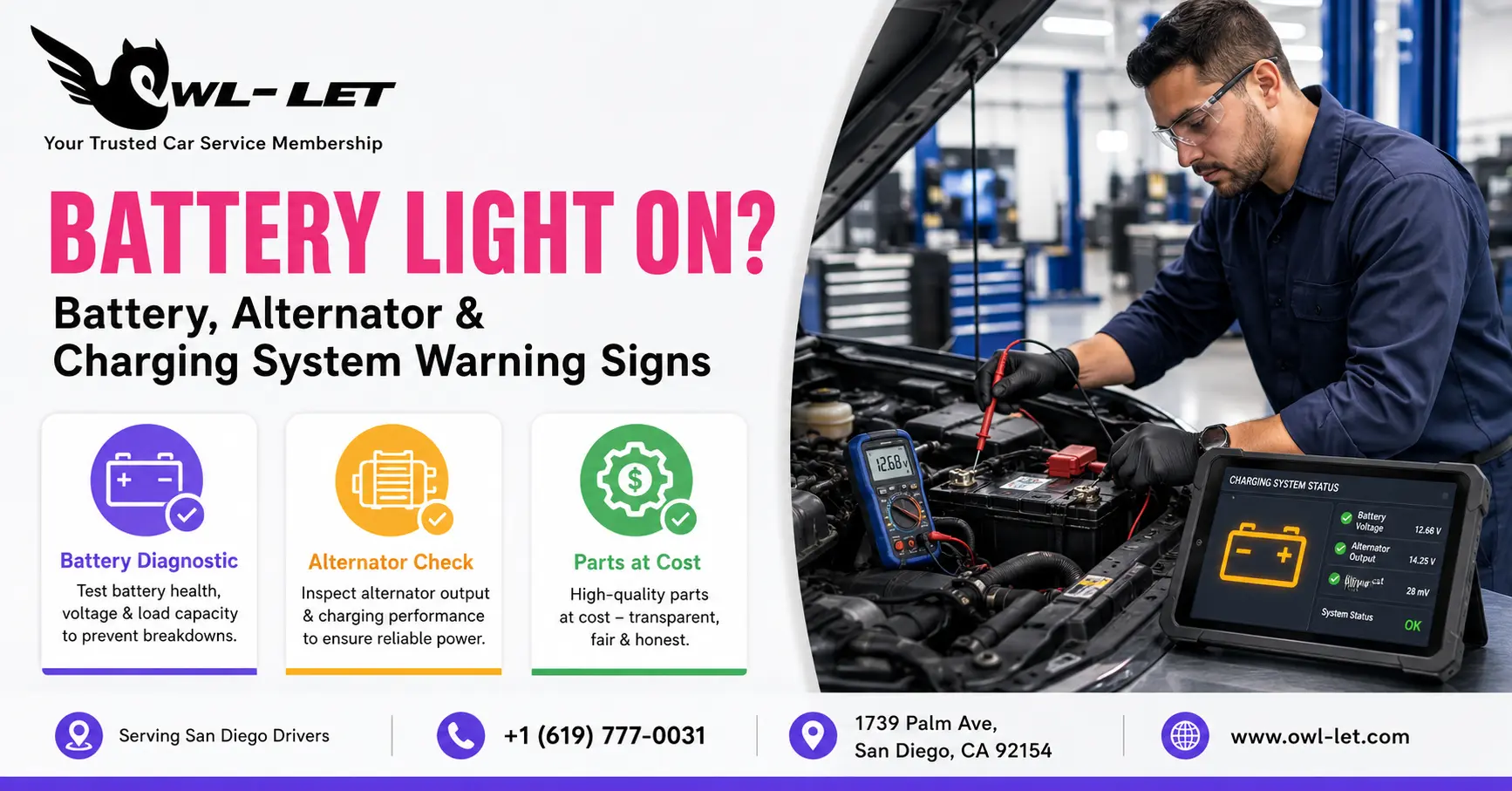


In 2026, the average cost to replace a car battery typically ranges from $150 to $450 for standard internal combustion vehicles, including parts and labor. Premium AGM (Absorbent Glass Mat) batteries for start-stop systems cost between $250 and $600, while electric vehicle (EV) battery modules can range from $2,000 to $15,000 depending on the vehicle’s capacity.
Key Takeaways: 2026 Battery Replacement Estimates
|
Battery Type |
Estimated Cost (Parts) |
Labor Costs |
Total Expected Price |
|
Standard Lead-Acid |
$100 – $220 |
$50 – $100 |
$150 – $320 |
|
AGM / High-Performance |
$200 – $400 |
$70 – $150 |
$270 – $550 |
|
Hybrid (NiMH/Li-ion) |
$1,500 – $3,500 |
$300 – $800 |
$1,800 – $4,300 |
|
Electric Vehicle (Full Pack) |
$6,000 – $16,000 |
$1,000 – $3,000 |
$7,000 – $19,000 |
Why is knowing how much it costs to replace a car battery so critical now?
When your car refuses to crank on a cold morning, the first question that hits you is: how much does it cost to replace a car battery? In 2026, the answer is more nuanced than it was five years ago. With the rise of advanced electrical systems, smart sensors, and the integration of Owl-Let's predictive maintenance data, the "simple" battery swap has evolved into a technical service.
Based on my years of hands-on experience in automotive diagnostics, I can tell you that ignoring a dying battery doesn't just leave you stranded—it can fry your alternator or damage sensitive ECUs (Electronic Control Units). Today, we’re seeing a shift where battery prices are stabilizing, but the technology required to "register" a new battery to your car's computer has kept labor costs relevant.
What factors influence the total price of a new car battery?
Several variables dictate whether you'll be paying $150 or upwards of $500. It isn't just about the brand; it's about the chemistry and the demands of your vehicle.
-
Battery Chemistry: Standard Flooded Lead-Acid batteries remain the most affordable. However, if your car has a start-stop system, you must use an AGM battery, which is more durable but costs significantly more.
-
Cold Cranking Amps (CCA): This measures a battery's ability to start an engine in cold temperatures. Higher CCA ratings generally command a premium price.
-
Reserve Capacity (RC): This determines how long the battery can run the car's essentials if the alternator fails.
-
Warranty Periods: A battery with a 5-year replacement warranty will naturally cost more than a 2-year "value" option.
-
Labor and Programming: Modern BMWs, Audis, and Fords often require a battery registration via a scan tool to tell the charging system there is a new cell. This adds $50–$150 to the bill.
How much does it cost to replace a car battery for different vehicle types?
Economy and Mid-Size Sedans
For your everyday commuters, you are looking at a sweet spot of $160 to $280. These typically use Group 24 or 35 batteries. Most owners can swap these themselves, but if you want it done professionally to ensure the terminals are cleaned and protected, the labor is minimal.
Luxury Vehicles and SUVs
Luxury brands often hide the battery in the trunk or under the seat, requiring more labor time. Furthermore, these vehicles are packed with electronics that demand AGM technology. Expect to pay $350 to $650 at a dealership, or slightly less at an independent specialist.
Electric and Hybrid Vehicles
This is where the numbers jump. While a 12V auxiliary battery in an EV still costs about $200, the traction battery pack is the major investment. In 2026, lithium-ion costs have dropped to roughly $80-$110 per kWh [Source: Goldman Sachs 2026 Projections], meaning a full replacement for an older Tesla or Leaf might cost $7,000 to $12,000.
Can I replace my car battery myself to save money?
Yes, but with a caveat. While the physical act of "unplug and plug" is simple, you must follow the correct sequence (Negative terminal first!) to avoid shorting the system.
Expert Tip: If your vehicle was manufactured after 2018, check if it requires BMS (Battery Management System) resetting. If you skip this, the car might overcharge the new battery, thinking it’s still the old, degraded one, shortening its life by years.
How to Replace a Car Battery (Step-by-Step Guide)
If you are looking to save on labor, here is the industry-standard method for a safe replacement:
-
Safety First: Park on a level surface, engage the parking brake, and wear gloves and eye protection.
-
Locate the Battery: Usually in the engine bay, but check the trunk or wheel well if it's not visible.
-
Disconnect the Negative (-): Use a wrench (usually 10mm) to loosen the black cable first. This prevents electrical grounding.
-
Disconnect the Positive (+): Remove the red cable next.
-
Remove Hold-Down Clamps: Unscrew the bracket securing the battery.
-
Swap the Battery: Lift out the old unit (careful, they are heavy!) and place the new one in.
-
Clean the Terminals: Use a wire brush and a bit of baking soda/water to remove any white crust (corrosion).
-
Reconnect in Reverse: Connect the Positive (+) first, then the Negative (-).
-
Battery Registration: If required, use an OBD-II tool to register the new battery.
How can I tell if my battery is actually failing?
Don't wait until you're stuck. Watch for these "Semantic Search" triggers:
-
The Slow Crank: If the engine takes longer than usual to turn over.
-
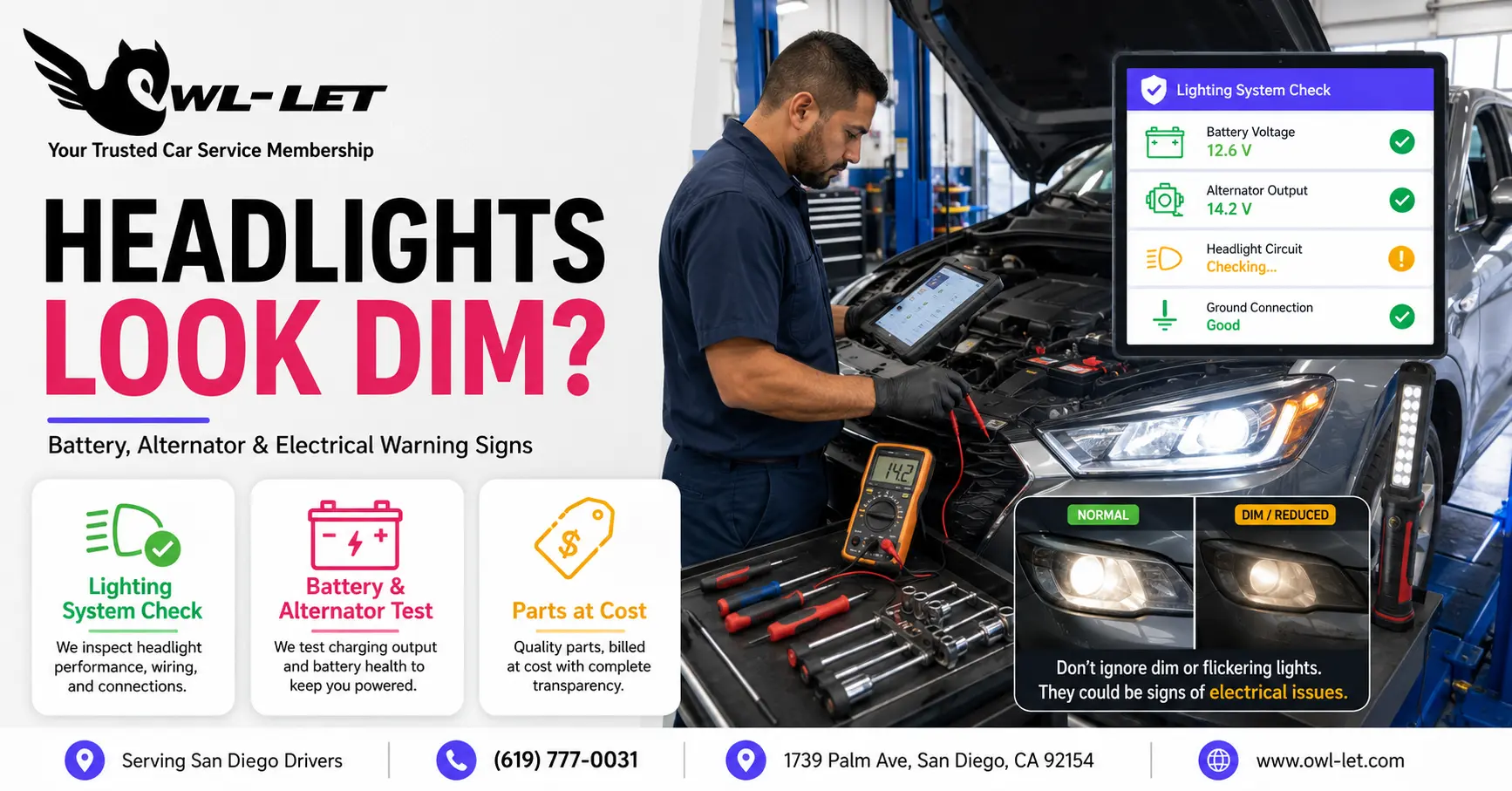
Dimming Lights: Headlights flickering when you use other electronics.
-
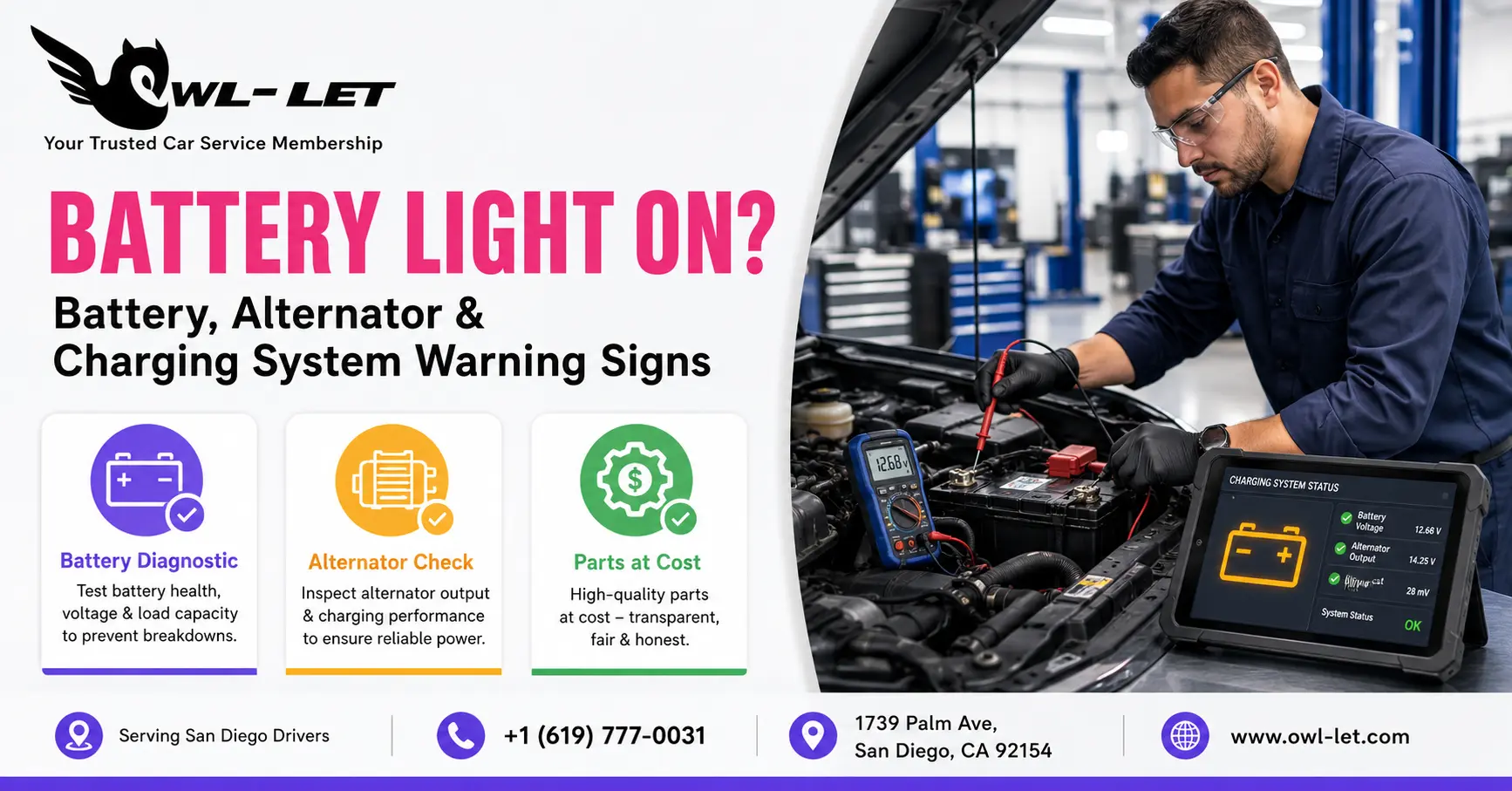
The "Battery" Dashboard Light: This usually indicates a charging system fault.
-
Swollen Battery Case: Visual bloating due to extreme heat or overcharging.
Is a Car Service Membership worth it for battery health?
Maintaining a car shouldn't feel like a series of financial emergencies. One of the best ways to mitigate the shock of a $400 battery bill is through a subscription-based service model.
For example, a comprehensive car service membership plan starting from $24.99 Monthly can cover regular battery health checks, terminal cleaning, and even discounted replacements. By joining a network like Owl-Let, you gain access to a platform that tracks your vehicle’s health data, alerting you before the battery dies.
Conclusion: Planning for your next battery replacement
So, how much does it cost to replace a car battery in 2026? While the average driver should budget around $250, the real cost is the time and stress of an unexpected failure. By choosing high-quality components and staying on top of maintenance via Owl-Let, you ensure your vehicle stays reliable.
For the ultimate peace of mind, consider our Owl-Let membership plans. At just $24.99 a month, we take the guesswork out of automotive care, ensuring you're never left wondering about costs when you're already in a hurry.
Comments 0
No comments yet
Be the first!