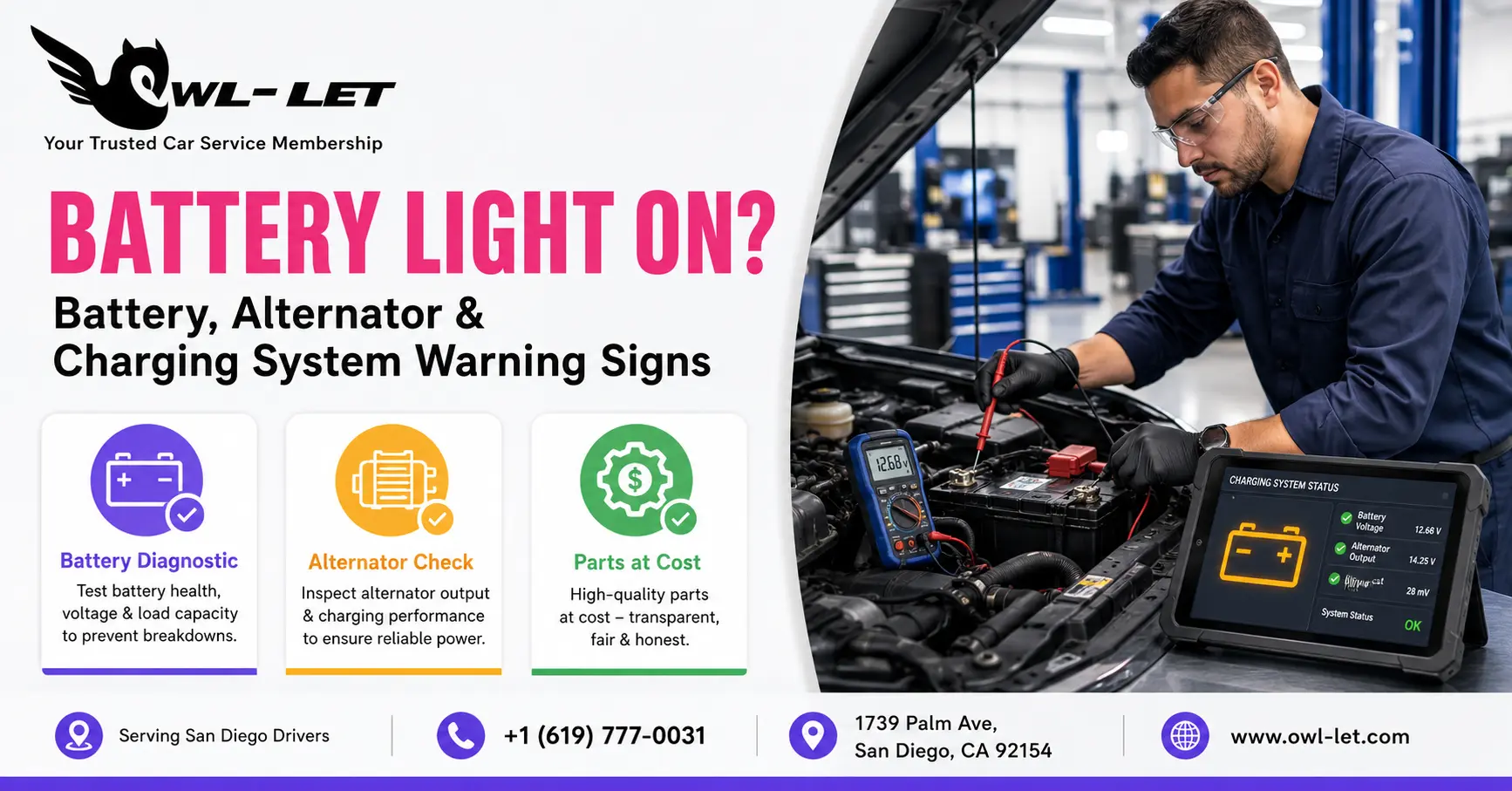


You can how to know if car battery needs to be replaced by watching for a slow engine crank, dimming headlights at idle, or a battery warning light. If your battery is over three years old or requires frequent jump-starts, its ability to hold a charge has likely diminished.
Key Takeaways: Battery Health Diagnostic Table
|
Symptom |
What It Means |
Recommended Action |
|
Slow Crank |
Weak cold-cranking amps (CCA) |
Test voltage immediately |
|
Clicking Sound |
Insufficient current to starter |
Replace battery or check cables |
|
Swollen Case |
Overheating or chemical failure |
Replace immediately (Fire hazard) |
|
Low Voltage (<12.2V) |
Undercharged or dying cells |
Recharge and retest |
|
Age (3–5 Years) |
End of natural chemical lifecycle |
Proactive replacement |
Why Does Battery Health Decline in Modern Vehicles?
In 2026, our vehicles are essentially "computers on wheels." From advanced infotainment systems to sophisticated ADAS (Advanced Driver Assistance Systems), the electrical load is higher than ever. As an expert who has serviced countless electrical systems, I’ve seen how these demands accelerate the "sulfation" process—the buildup of lead sulfate crystals on battery plates.
Understanding how to know if car battery needs to be replaced isn't just about avoiding a breakdown; it’s about protecting your car’s sensitive Electronic Control Units (ECUs). A low-voltage environment can cause "phantom" sensor errors and glitchy software performance.
What Are the Immediate Warning Signs of a Dying Battery?
The most common indicator is the slow engine crank. You’ll notice the engine sounds "sluggish" or "heavy" when you turn the key or push the start button. This happens because the battery can no longer provide the surge of Cold Cranking Amps (CCA) required to rotate the engine's internal components.
-
The "Click-Click" Sound: If you hear a rapid clicking when you try to start the car, the battery has enough power to engage the starter solenoid but not enough to spin the motor.
-
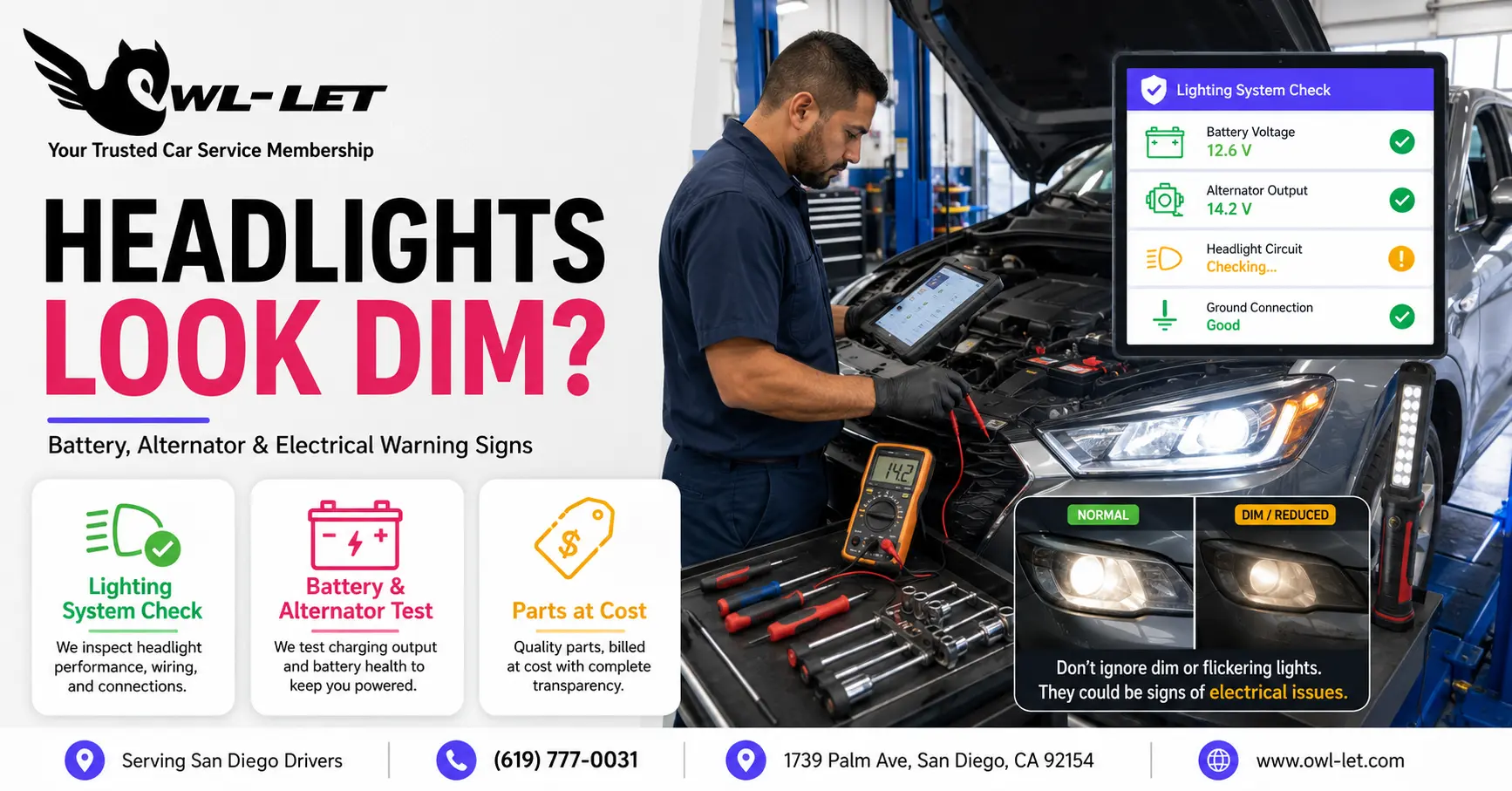
Dimming Electronics: Do your headlights brighten when you rev the engine but dim at a stoplight? This is a classic sign that the battery is failing to buffer the electrical load, forcing the alternator to do all the work.
-
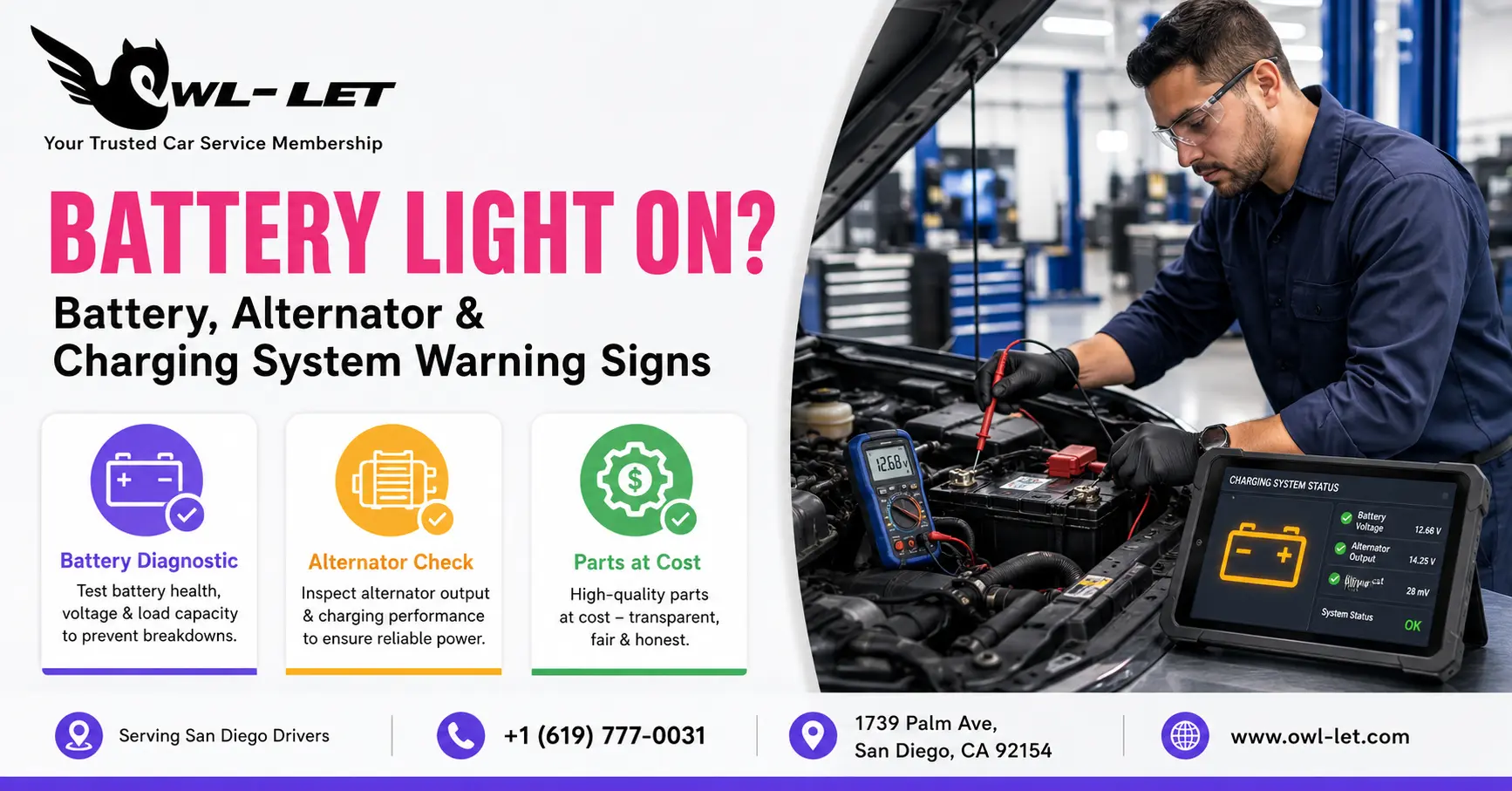
The Battery Dashboard Icon: Unlike some lights that are mere "suggestions," the battery symbol usually indicates a charging system failure. At Owl-Let, we always recommend a professional load test the moment this light flickers.
How to Know if Car Battery Needs to Be Replaced Using a Multimeter?
If you want to move beyond guesswork, a digital multimeter is your best friend. To get an accurate "resting voltage" reading, ensure the car has been off for at least 30 minutes.
The Voltage Cheat Sheet:
-
12.6V to 12.8V: Your battery is healthy and fully charged.
-
12.2V to 12.4V: It is partially discharged; keep an eye on it.
-
Below 11.8V: The battery is "dead" or critically low.
Expert Tip: If your battery reads 12.6V resting but drops below 10V during the cranking process, it has failed its internal load capacity and needs replacement.
Is It My Battery or the Alternator?
This is the most frequent question we get at Owl-Let. To distinguish between the two, perform this simple check:
-
Jump-start the car.
-
Remove the cables.
-
If the engine dies immediately: Your alternator is likely faulty because it isn't providing the power to keep the ignition system running.
-
If the engine keeps running but won't restart later: Your battery is the culprit because it cannot hold the charge the alternator is providing.
Does Temperature Affect How Long a Battery Lasts?
Many drivers think winter is the battery killer, but summer heat is actually the primary culprit. High temperatures cause the internal battery fluid (electrolyte) to evaporate, leading to internal corrosion. By the time the first cold snap hits in winter, the already-weakened battery lacks the chemical "punch" to start a cold, thick-oiled engine.
Why Should You Inspect the Physical Casing of Your Battery?
Sometimes, the signs aren't electrical—they are physical. Pop your hood and look for:
-
Bloating or Swelling: If the rectangular case looks "puffy," it has been overcharged or exposed to extreme heat. This battery is a ticking time bomb and should be replaced.
-
The "Rotten Egg" Smell: This is the scent of leaking sulfuric acid. If you smell sulfur, the battery is "gassing" and could damage your engine bay's paint and wiring.
-
Corrosion: White, ashy powder around the terminals (lead sulfate) acts as an insulator, preventing current flow. While you can clean this with a baking soda solution, it’s often a sign that the battery is beginning to leak internally.
How to Know if Car Battery Needs to Be Replaced Based on Age?
Even if your car starts perfectly today, if the manufacture date on the sticker is more than 4 years old, you are on borrowed time. Most modern Lead-Acid and AGM (Absorbent Glass Mat) batteries have a reliable window of 3 to 5 years.
At Owl-Let, we’ve seen that proactive replacement is significantly cheaper than an emergency tow. That is why we emphasize regular testing as part of our comprehensive maintenance philosophy.
Conclusion: Stay Ahead of the Click with Professional Care
Learning how to know if car battery needs to be replaced saves you from the frustration of a car that won't start on a Monday morning. From monitoring your "resting voltage" to checking for physical swelling, these small habits prevent big headaches.
At Owl-Let, we make vehicle reliability accessible. Our Owl-Let Car Service Membership starts at just $24.99 Monthly, covering your routine battery health checks, terminal cleanings, and diagnostic scans. Don't wait for the "click" to realize your battery is dead.
Join the flock at www.owl-let.com and ensure your car's electrical heart is always beating strong.
Comments 0
No comments yet
Be the first!