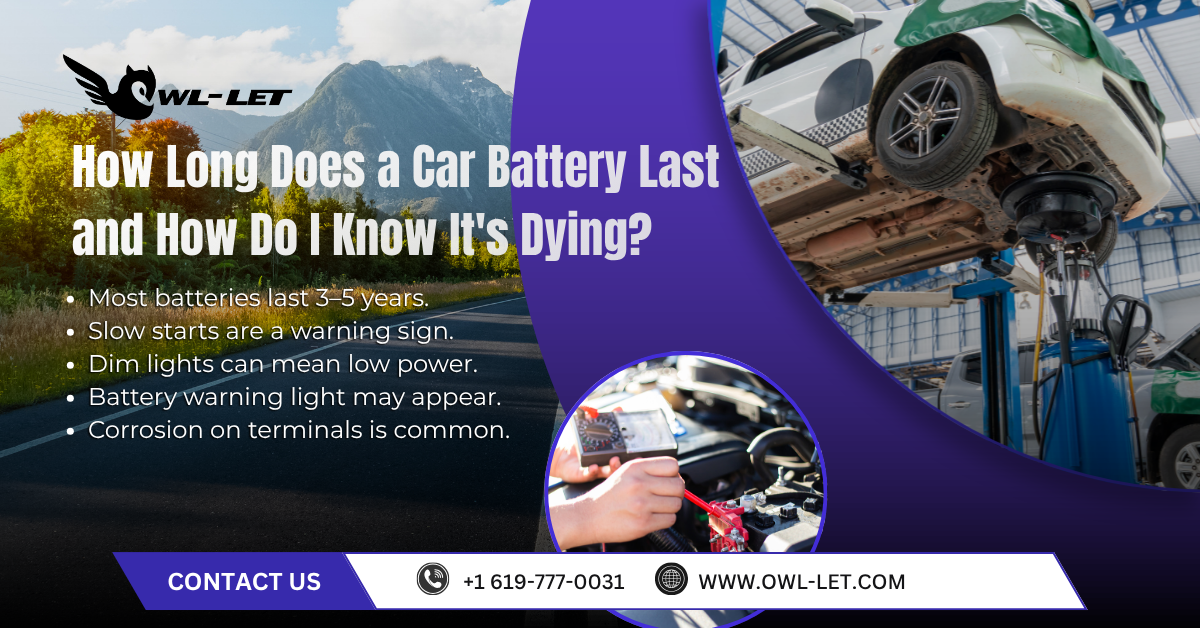
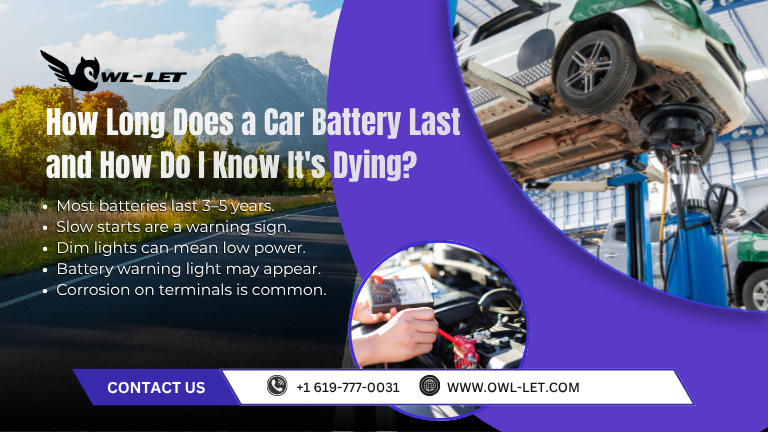
How Long Does a Car Battery Last and How Do I Know It's Dying?On average, a car battery lasts three to five years. Factors like extreme temperatures, frequent short trips, and the vehicle's electrical load influence this lifespan. You can tell it’s dying if the engine cranks slowly, lights flicker, or a "check battery" light appears on your dashboard.
Key Takeaways for Vehicle Longevity
|
Feature |
Typical Expectation |
Warning Signs |
|
Average Lifespan |
3–5 Years |
Slow engine crank, clicking sound |
|
Impact of Climate |
High heat shortens life |
Dim headlights, power window lag |
|
Maintenance Need |
Every 6 months |
Corrosion on terminals, bloated case |
|
Ideal Voltage |
$12.6V$ (Healthy) |
Below $12.2V$ (Weak/Discharged) |
Why Is Understanding Car Battery Health Critical in 2026?
Modern vehicles are essentially rolling computers. From advanced infotainment systems to semi-autonomous driving features, the electrical demand on a lead-acid or AGM battery is higher than ever. If you are wondering how long does a car battery last and how do I know it's dying?, you aren't just asking about a plastic box under the hood—you are asking about the heartbeat of your mobility.
The Owl-Let approach to vehicle care emphasizes prevention over repair. In an era where a dead battery can lock you out of a software-defined vehicle, recognizing the "whispers" of a failing battery before they become "screams" is essential for any savvy driver.
What Factors Determine How Long a Car Battery Lasts?
While the industry standard is the three-to-five-year mark, several "silent killers" can accelerate chemical degradation inside the cells.
Does Weather Affect Battery Longevity?
Most drivers fear the winter, but heat is the true enemy. High temperatures under the hood accelerate the evaporation of the liquid electrolyte, leading to internal corrosion. If you live in a tropical climate, you might find your battery leaning closer to the three-year mark.
How Do Driving Habits Impact Charge Cycles?
Short trips (under 15 minutes) prevent the alternator from fully recharging the battery. Over time, this leads to acid stratification, where the battery remains in a partial state of charge, permanently lowering its capacity.
How Do I Know It's Dying Before I Get Stranded?
The transition from a healthy battery to a dead one is rarely instantaneous. Your car provides several semantic cues that the end is near.
Why Is My Engine Cranking Slowly in the Morning?
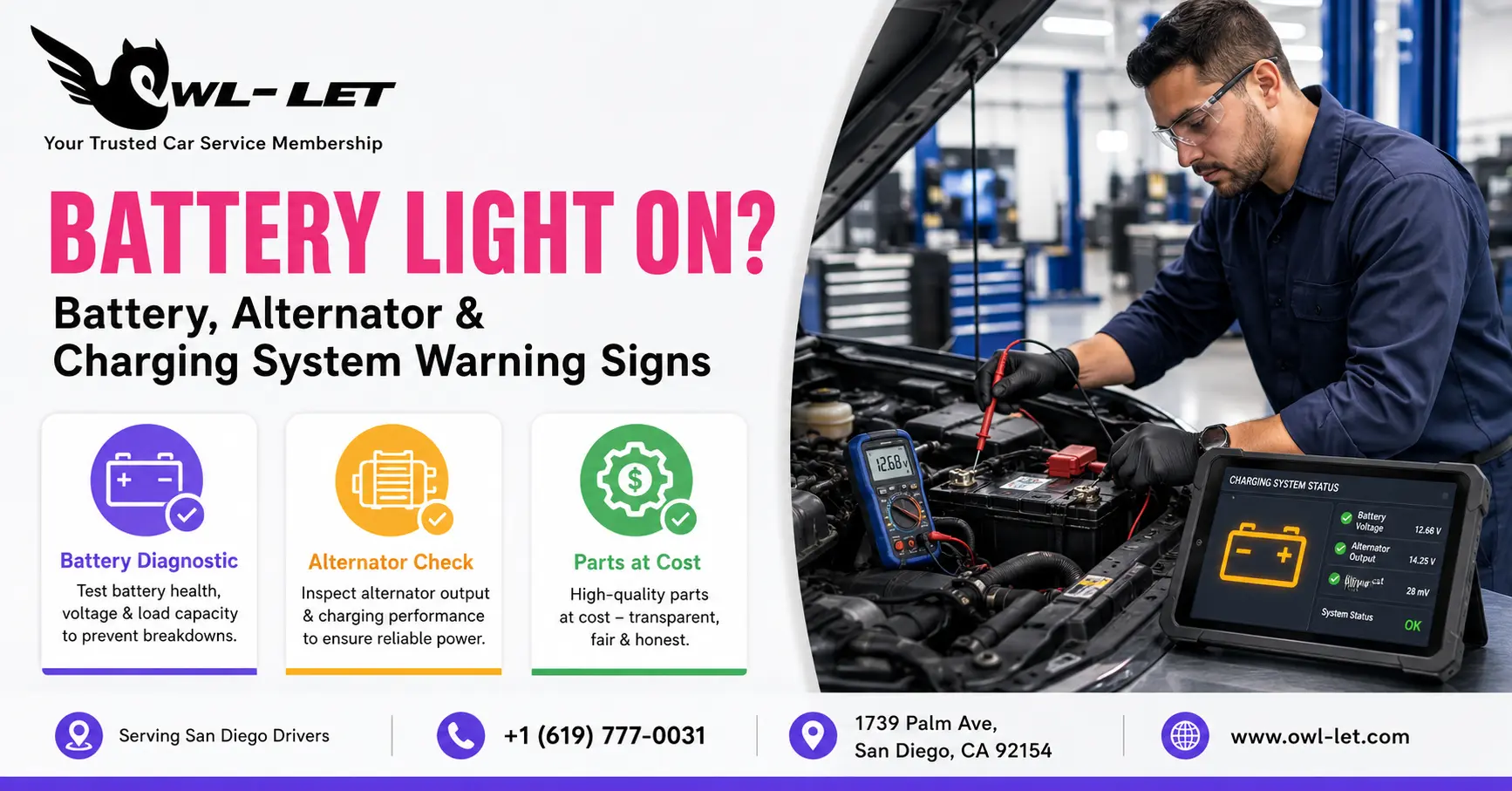
This is the most common symptom. If the engine takes longer to turn over—often described as a "rur-rur-rur" sound—the battery is struggling to provide the high-amperage "cold cranking amps" (CCA) required to move the pistons.
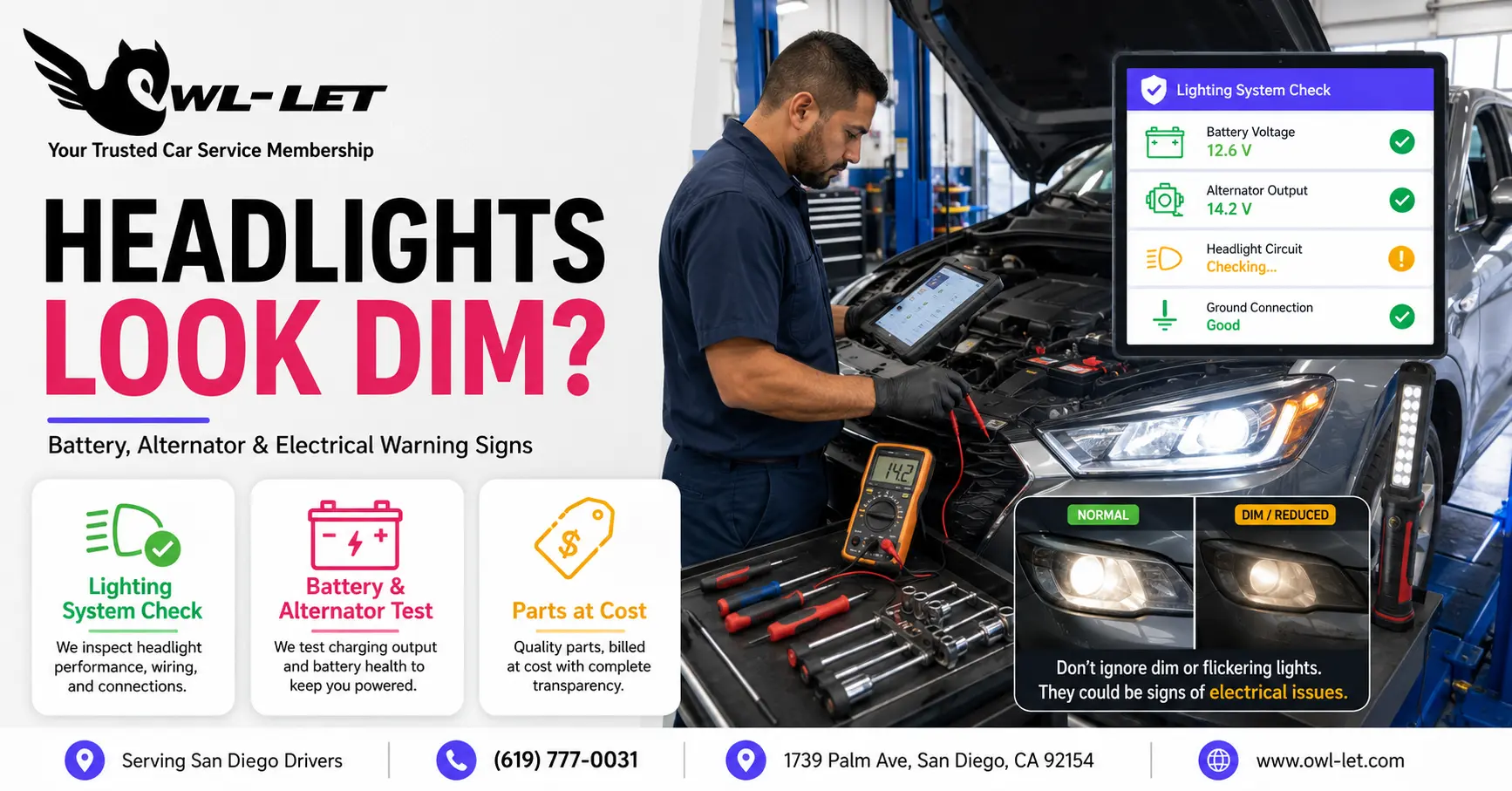
Can Dim Headlights Indicate a Failing Battery?
Yes. If your headlights brighten when you rev the engine or dim while idling at a stoplight, the battery is no longer acting as an effective buffer for the alternator’s output. This inconsistency is a primary indicator of a dying car battery.
Can a Car Battery Die Without Warning?
While most batteries show symptoms, "Sudden Battery Failure" can occur if an internal plate breaks or a short circuit happens within a cell. This is more common in cheaper, low-quality units. This is why regular testing—a core part of a professional maintenance membership—is vital.
How Can I Test My Battery Health at Home?
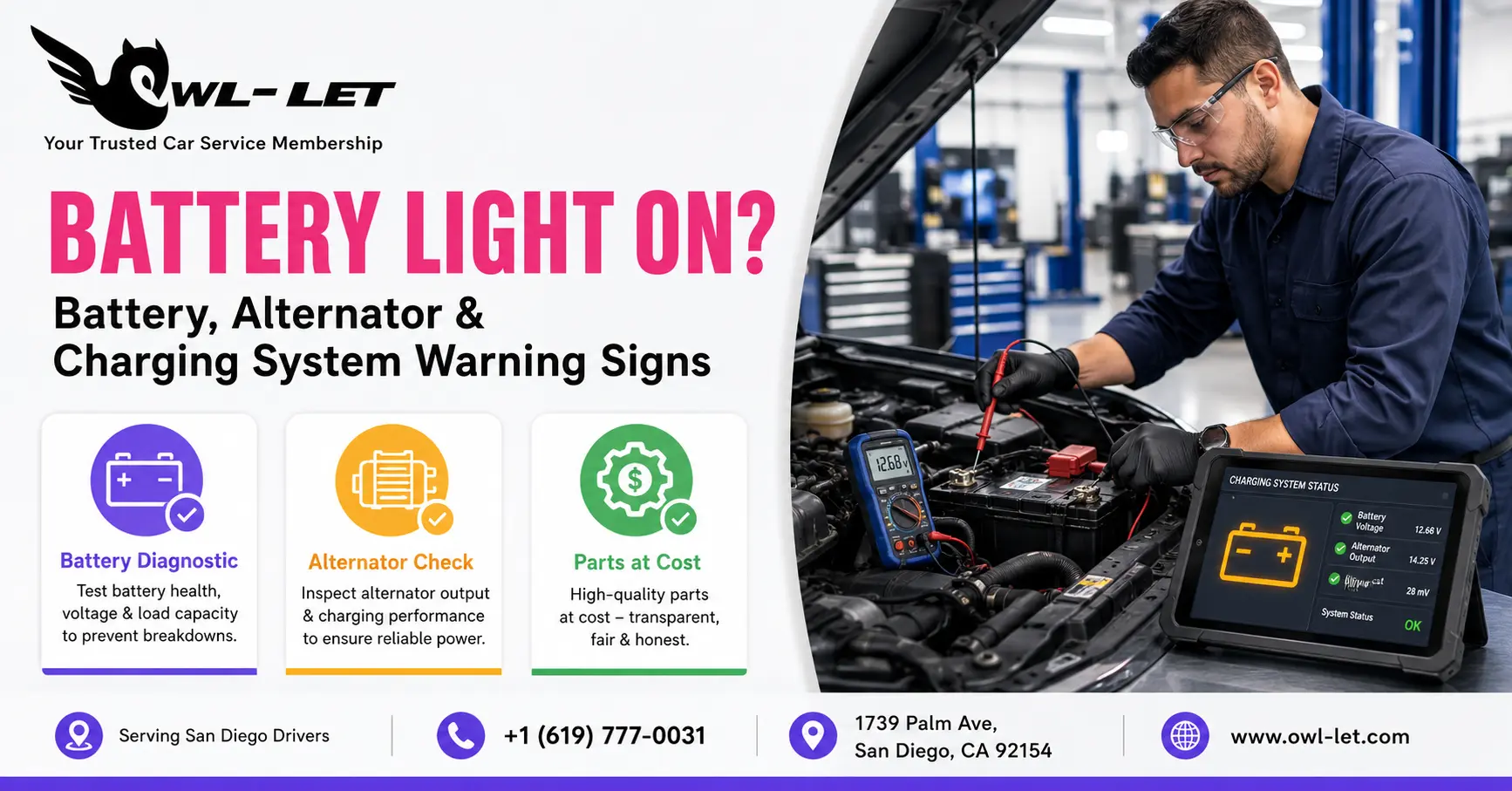
You don't always need a mechanic to get a baseline reading. A simple multimeter can provide significant insight into whether your battery is nearing its expiration date.
-
Set your multimeter to 20V DC.
-
Touch the probes to the positive and negative terminals (Engine off).
-
Read the display:
-
$12.6V$ to $12.8V$: Perfectly healthy.
-
$12.2V$: About 50% charged (Weak).
-
Below $12.0V$: Effectively dead or failing.
Is It Possible to Extend My Car Battery’s Life?
Maintenance isn't just about replacement; it’s about preservation. To keep your battery running toward the five-year mark, ensure the terminals are free of white, ashy corrosion (lead sulfate). A simple mixture of baking soda and water can neutralize this. Additionally, ensure the battery hold-down clamp is tight; vibration is a major cause of internal mechanical failure.
Expert Recommendations for 2026
-
Proactive Replacement: If your battery is over 4 years old, replace it before a winter cold snap or a summer heatwave.
-
AGM Upgrade: If your vehicle has "Stop-Start" technology, always use an Absorbent Glass Mat (AGM) battery rather than a standard flooded one.
-
Smart Monitoring: Use Bluetooth battery monitors that sync to your phone for real-time health alerts.
Conclusion: Stay Powered with Owl-Let
Knowing how long does a car battery last and how do I know it's dying? is the first step in avoiding the frustration of a car that won't start. However, battery health is just one piece of the automotive puzzle.
At Owl-Let, we believe in seamless, stress-free driving. Our Car Service Membership Plan, starting at just $24.99 monthly, includes regular electrical system diagnostics to ensure you’re never left in the dark. Visit www.owl-let.com today to protect your journey and keep your vehicle's "heart" beating strong.
Comments 0
No comments yet
Be the first!