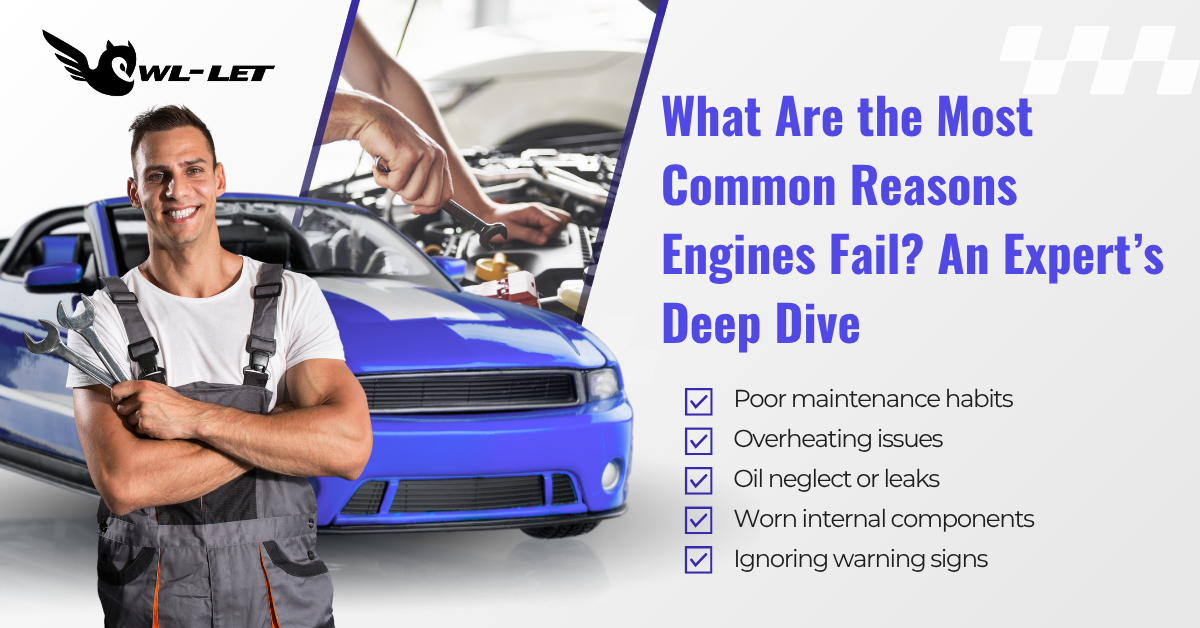
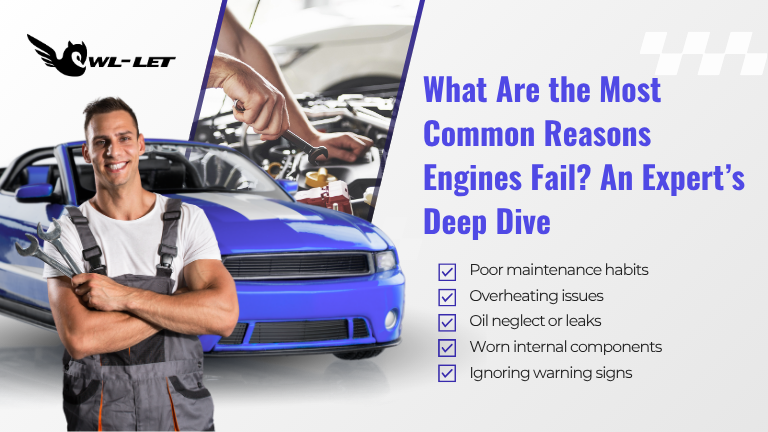
Most common engine failures stem from preventable maintenance lapses, specifically oil starvation, overheating, and timing belt breakage. When internal components lack lubrication or exceed thermal limits, friction causes catastrophic metal-on-metal contact. Regular diagnostic checks and fluid management are essential to prevent these high-cost mechanical breakdowns and extend vehicle longevity.
Key Takeaways for Engine Longevity
|
Cause of Failure |
Primary Symptom |
Prevention Strategy |
|
Oil Starvation |
Knocking sounds / Oil light |
Monthly dipstick checks & scheduled changes |
|
Overheating |
Steam / Temperature gauge spike |
Coolant flushes & water pump inspection |
|
Timing Chain/Belt |
Engine won't start / Violent snap |
Replacement at manufacturer intervals |
|
Hydro-locking |
Immediate engine stall in water |
Avoid deep puddles/heavy flooding |
Why Does Low Oil Pressure Lead to Total Engine Failure?
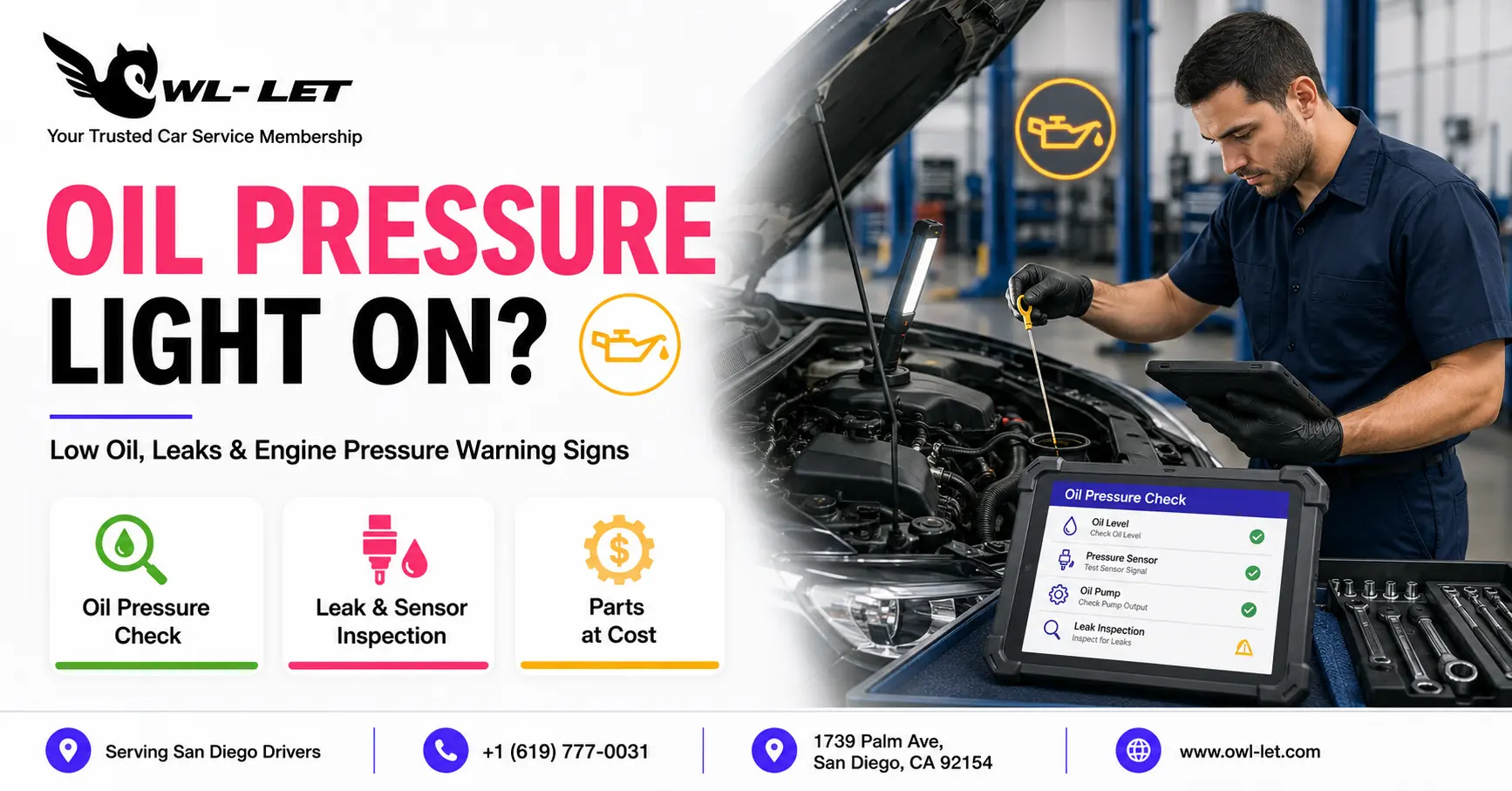
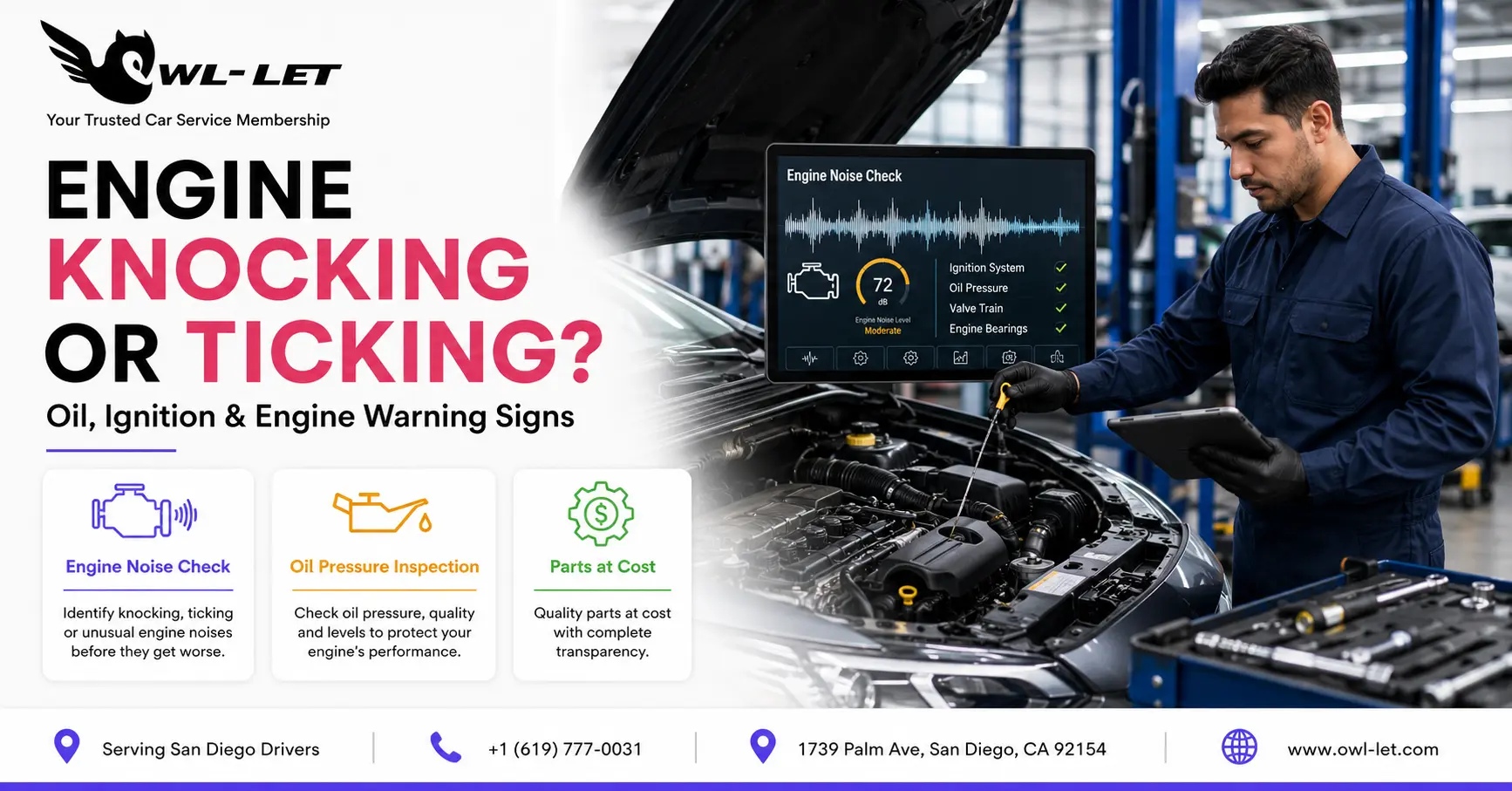
The lifeblood of any internal combustion engine is its oil. Without a consistent film of lubrication, the heat generated by friction between the pistons and cylinder walls becomes intense enough to weld parts together. Oil starvation isn't just about "low oil"; it can also be caused by a failing oil pump or a clogged filter.
Based on years of mechanical diagnostics, we see that modern engines with tight tolerances are less forgiving than older models. If you ignore a flickering oil light, you aren't just risking a repair—you’re risking a total engine replacement. This is why many savvy drivers utilize a membership-based maintenance approach to ensure they never miss a critical fluid update.
Is Overheating a Major Cause of Engine Damage?
Absolutely. When an engine runs too hot, the cylinder heads can warp, and the head gasket—the seal between the engine block and the head—can "blow." Once the head gasket fails, coolant can leak into the oil, or vice versa, creating a "milky" sludge that destroys bearings instantly.
How Do Timing Belt Snaps Destroy an Engine?
In "interference engines," the valves and the pistons occupy the same space at different times. The timing belt or chain ensures they stay perfectly synchronized. If that belt snaps, the heavy pistons strike the delicate valves at thousands of RPMs.
What are the most common reasons engines fail in high-mileage vehicles? Often, it is simply the neglect of this rubber belt. Unlike a battery, a timing belt doesn't usually give a warning sign before it fails; it simply breaks, leading to bent valves and shattered pistons.
Does Poor Fuel Quality Impact Engine Health?
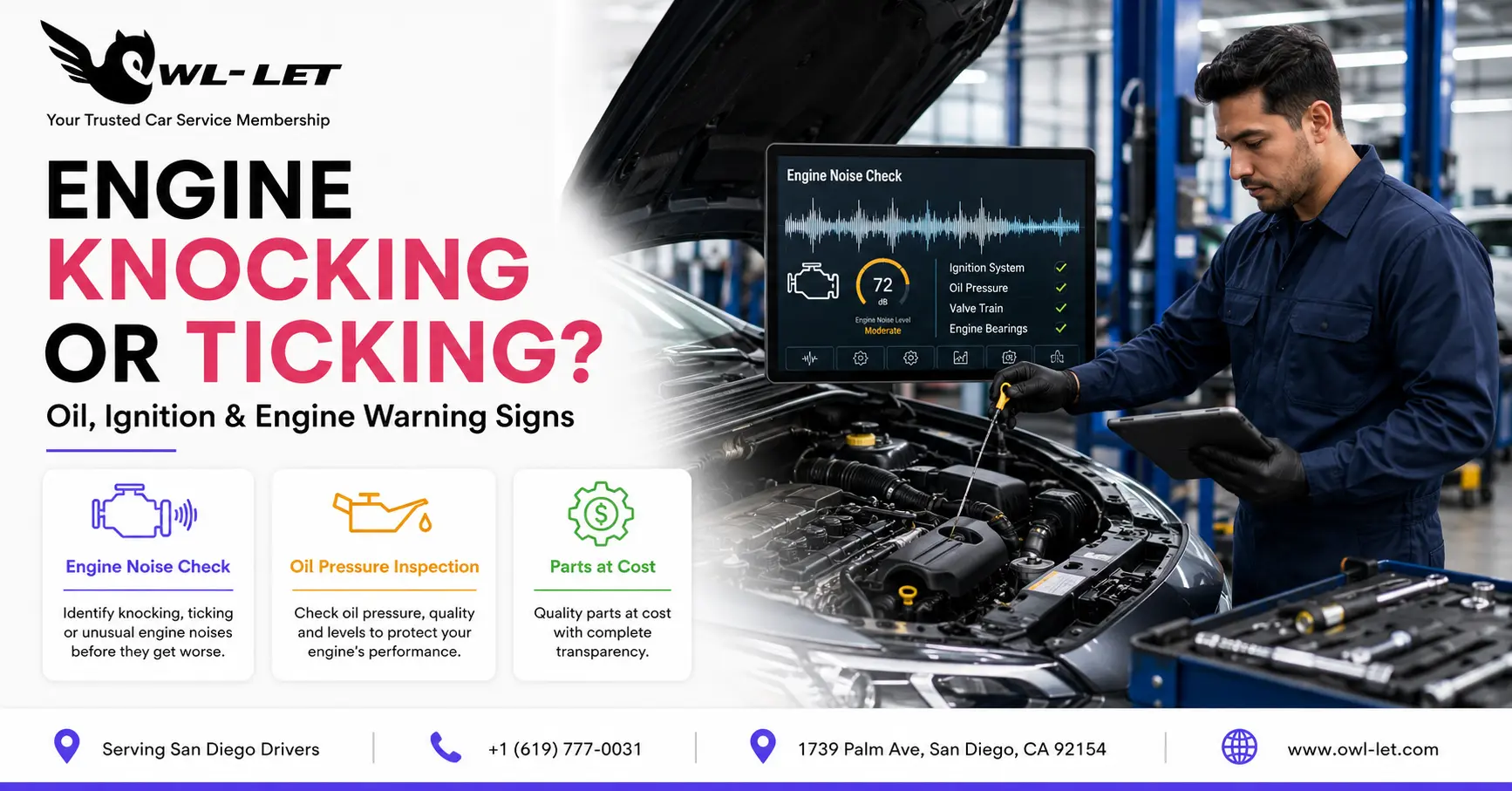
While less "explosive" than a snapped timing belt, detonation and pre-ignition (caused by low-octane fuel in high-compression engines) can pepper the top of your pistons with tiny holes over time. This "knocking" or "pinging" is the sound of the air-fuel mixture exploding prematurely, sending shockwaves through the connecting rods.
Can a Failed Water Pump Kill My Engine?
Yes. The water pump is responsible for circulating coolant. If the pump's impeller fails or the bearing seizes, the coolant sits still while the engine block absorbs all the heat. Within minutes, the temperature can rise to levels that cause permanent metal deformation.
Why Is Carbon Buildup a Problem for Modern GDI Engines?
Gasoline Direct Injection (GDI) engines are prone to carbon deposits on the intake valves because fuel is no longer sprayed over the valves to "clean" them. Over time, this buildup restricts airflow, leading to misfires, reduced power, and eventual top-end failure. Regular "induction cleanings" are now a standard part of a high-tier automotive service plan.
How Does "Hydro-locking" Occur?
If water enters the air intake—usually through driving into a deep puddle—the engine tries to compress that water. Unlike air, water is incompressible. When the piston moves up to compress it, the force has nowhere to go, resulting in bent connecting rods or a "thrown" rod through the side of the engine block.
Is It Worth Repairing a Blown Engine?
Typically, once an engine has suffered a "catastrophic failure" (like a thrown rod or cracked block), a rebuild or replacement costs between $4,000 and $10,000. For many, the cost exceeds the value of the vehicle. This is why preventative care—checking your fluids, belts, and cooling system—is the only way to protect your investment.
The Importance of Proactive Maintenance
Expert mechanical analysis confirms that 80% of engine failures are avoidable. By staying ahead of the curve with a structured care plan, you move from "reactive" repairs to "proactive" protection. Whether it's a routine fluid check or a professional diagnostic, consistency is the key to avoiding the graveyard of failed engines.
At Owl-Let, we believe that the road shouldn't be stressful. Keeping your vehicle in peak condition requires more than just an occasional oil change; it requires a commitment to mechanical health.
Conclusion: Protecting Your Engine from the Unthinkable
Understanding what are the most common reasons engines fail is the first step toward vehicle longevity. From thermal management to structural lubrication, your car depends on precision. Don't wait for a knocking sound or a cloud of smoke to take action.
To ensure your vehicle stays on the road for years to come, consider joining the Owl-Let family. Our Automotive Membership Plan starts at just $24.99 Monthly, providing you with the professional oversight and routine care needed to prevent these common failures. Visit www.owl-let.com today to secure your peace of mind and keep your engine humming.
Comments 0
No comments yet
Be the first!