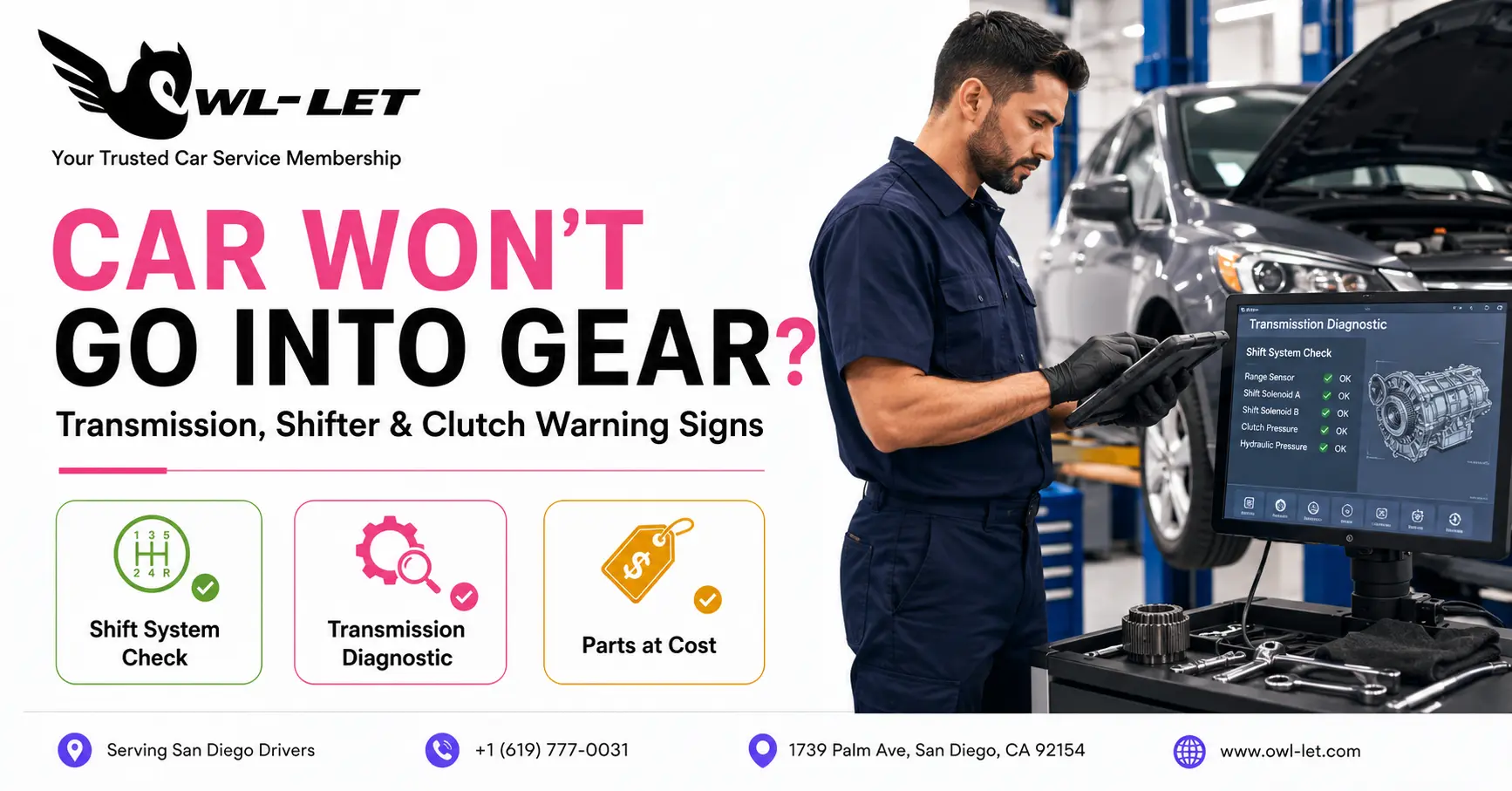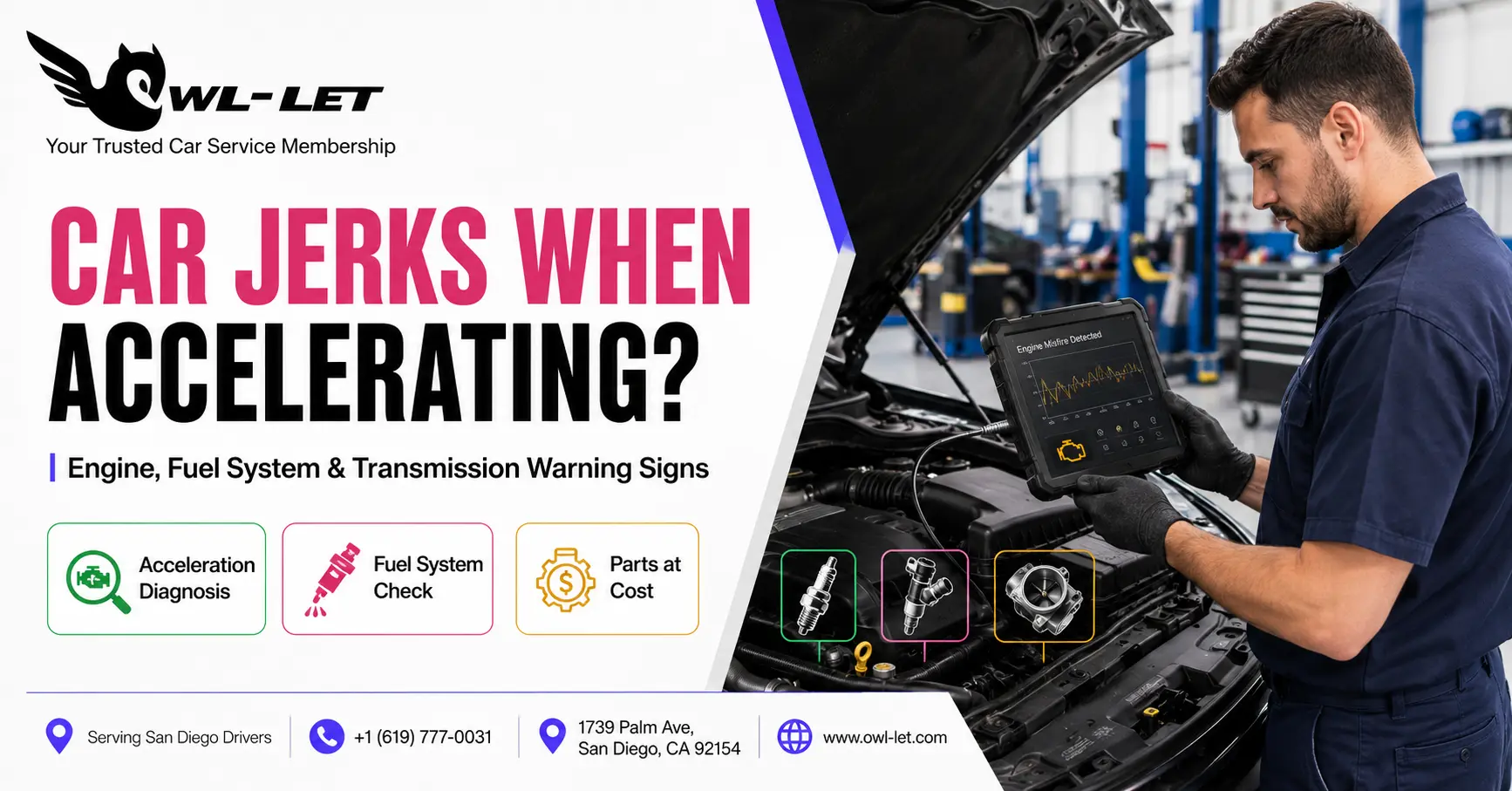
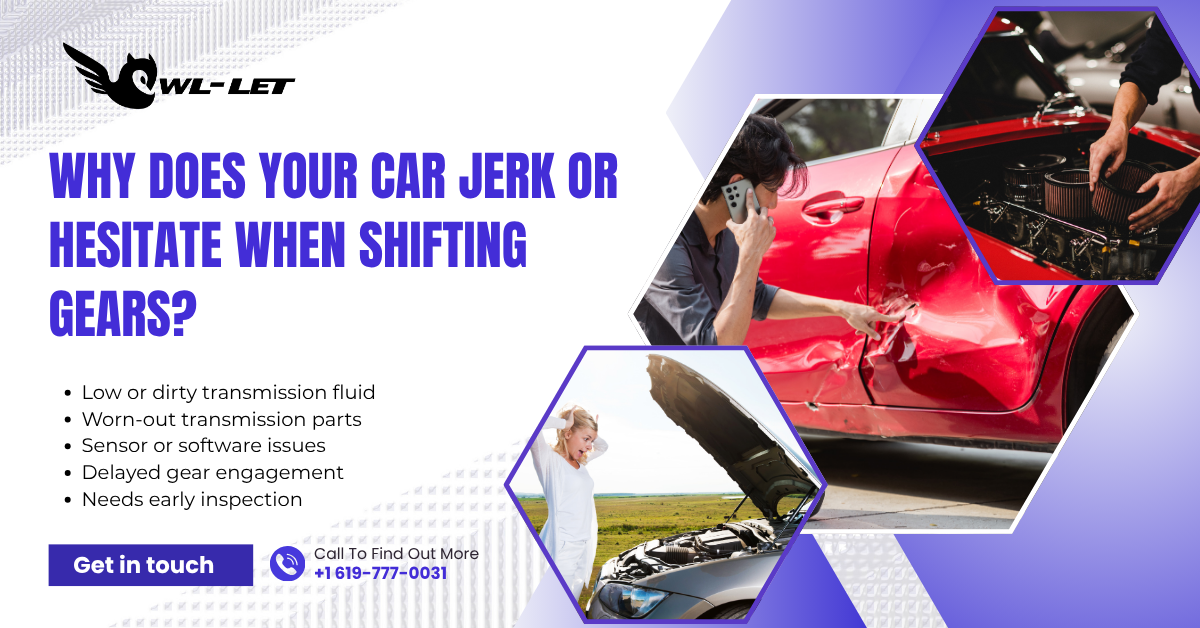
A car jerks or hesitates during gear shifts primarily due to low transmission fluid, a failing transmission solenoid, or worn-out clutch packs. In modern vehicles, software glitches in the Transmission Control Module (TCM) or faulty sensors like the Throttle Position Sensor (TPS) also cause erratic shifting patterns and lag.
Key Takeaways for Transmission Issues
|
Potential Cause |
Common Symptoms |
Severity Level |
|
Low Fluid Level |
Slips between gears, whining noise |
High (Can lead to overheating) |
|
Faulty Solenoid |
Stuck in one gear, delayed engagement |
Medium |
|
Worn Clutch/Bands |
Burnt smell, severe jerking |
Critical (Internal failure) |
|
Sensor Malfunction |
Erratic shifting, Check Engine Light |
Low to Medium |
Why Does Your Car Jerk or Hesitate When Shifting Gears?
Experiencing a sudden jolt or a frustrating lag when you press the gas is more than just an annoyance; it’s your vehicle’s way of communicating a mechanical "cry for help." When you ask, "why does your car jerk or hesitate when shifting gears?", you are likely dealing with a disruption in the hydraulic or electronic systems that manage power transfer from the engine to the wheels.
In my years of diagnosing drivetrain issues, I’ve found that hesitation is rarely a "standalone" problem. It is usually the result of transmission fluid degradation or a breakdown in semantic sensor communication. Whether you drive an automatic, a manual, or a Dual-Clutch Transmission (DCT), the synchronization required for a smooth shift is delicate. Neglecting these symptoms can lead to catastrophic gear failure, which is why brands like Owl-Let emphasize proactive maintenance to catch these "ghosts in the machine" before they become $4,000 repair bills.
Is Low Transmission Fluid Causing Your Shifting Problems?
The most common culprit behind a jerking sensation is the lifeblood of your gearbox: the transmission fluid. Unlike engine oil, transmission fluid acts as both a lubricant and a hydraulic fluid.
-
Hydraulic Pressure Loss: Automatic transmissions rely on pressure to engage clutches and bands. If the fluid is low, the pressure drops, causing a "hesitation" as the system struggles to lock into the next gear.
-
Fluid Oxidation: Over time, heat breaks down the chemical properties of the fluid. If it looks dark brown or smells burnt, it can no longer provide the friction-modifying properties required for smooth engagement.
-
Contamination: Metal shavings from natural wear can clog the transmission filter, leading to erratic fluid flow and noticeable jerking.
Why Does My Automatic Transmission Shift Hard Into Second Gear?
If the jerk is specifically localized to a "hard shift" (a violent thud when moving from 1st to 2nd), you are likely looking at a transmission control solenoid issue. These electro-magnetic components act as gates, opening and closing to direct fluid to the appropriate gear set.
When a solenoid fails or becomes "lazy" due to debris, it may not open quickly enough. This results in the engine RPMs climbing too high before the gear finally "slams" into place. According to [Insert Link to High-Authority Automotive Engineering Study], electronic shift timing is responsible for nearly 40% of modern drivability complaints.
Does a Dirty Fuel System Cause Gear Hesitation?
Interestingly, not every shift issue is the transmission's fault. Sometimes, the engine "stumbles" just as the load changes during a shift. This is often misdiagnosed as a gearbox problem when it is actually an air-fuel ratio imbalance.
-
Mass Air Flow (MAF) Sensor: If this sensor is dirty, the ECU cannot calculate the correct amount of fuel needed as you accelerate through a shift.
-
Clogged Fuel Injectors: A momentary lean condition can cause the engine to "hesitate," making it feel like the transmission is lagging.
Can a Faulty Sensor Make My Car Jerk?
Yes, absolutely. Modern vehicles are computers on wheels. The Throttle Position Sensor (TPS) tells the Transmission Control Module exactly how much torque you are requesting. If the TPS has a "dead spot," it sends conflicting data. The computer might try to upshift and downshift simultaneously, resulting in a violent jerking motion.
Owl-Let technicians often recommend a full diagnostic scan to check for "pending codes"—errors that haven't yet triggered a dashboard light but are affecting performance.
How Do I Fix Transmission Hesitation at Home?
While major internal repairs require a shop, you can perform several "first-response" steps:
-
Check the Dipstick: Ensure the fluid is at the "Hot" mark while the engine is idling.
-
Inspect for Leaks: Look for red/pink fluid under the car.
-
Reset the TCM: In some vehicles, disconnecting the battery for 30 minutes can reset the "adaptive learning" shift patterns.
-
Add a Friction Modifier: Sometimes, a specialized additive can temporarily alleviate "shudder" in high-mileage vehicles.
Why Does My Car Hesitate When I Step on the Gas?
This is often a torque converter issue. The torque converter is the bridge between your engine and transmission. If the internal "lock-up" clutch engages too early or slips, you will feel a vibration or hesitation that feels like driving over "rumble strips" on the highway. This is a critical sign that your drivetrain needs professional intervention.
How to Diagnose Shifting Issues (Step-by-Step)
-
Warm up the vehicle: Transmission symptoms are often more pronounced when the fluid reaches operating temperature.
-
Note the RPMs: If the RPMs "flare" (increase) during a shift, the transmission is slipping.
-
Scan for OBD-II Codes: Even without a Check Engine Light, codes like P0700 can point to transmission malfunctions.
-
Check the vacuum lines: On older cars, a leaking vacuum modulator can cause incredibly harsh shifts.
Conclusion: Don’t Ignore the Jolt
A jerking car is an inefficient car. Beyond the risk of a breakdown, hesitation during shifting causes unnecessary wear on your engine mounts and reduces fuel economy. Whether it's a simple fluid top-off or a sensor replacement, addressing the issue early is the only way to ensure your vehicle reaches the 200,000-mile mark.
At Owl-Let, we believe that premium car care shouldn't be a luxury reserved for gearheads. We’ve designed our services to take the guesswork out of maintenance. By joining the Owl-Let Car Service Membership, you get the peace of mind that comes with expert oversight. Our plans start at just $24.99 Monthly, ensuring that your transmission stays smooth and your wallet stays full. Visit www.owl-let.com to protect your investment today.
Comments 0
No comments yet
Be the first!