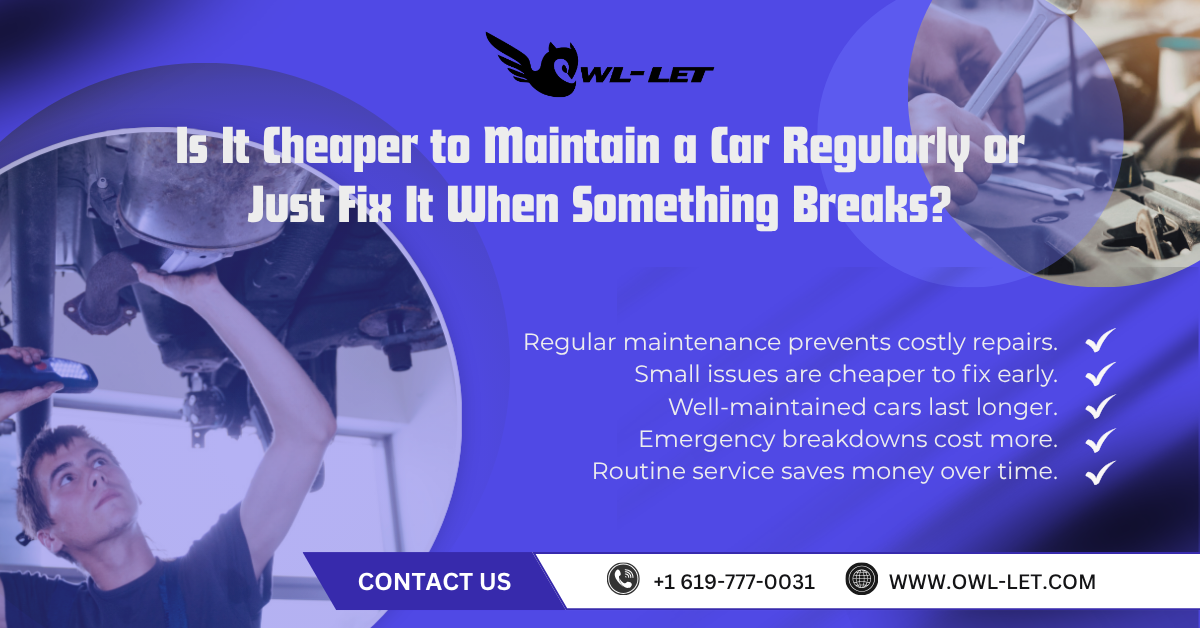
It is significantly cheaper to maintain a car regularly. Proactive maintenance typically costs $500–$1,000 annually, whereas major "break-fix" repairs (like a seized engine or failed transmission) often exceed $4,000–$7,000. Regular upkeep prevents compounding damage, preserves fuel efficiency, and maximizes resale value, saving thousands over the vehicle's lifespan.
Key Takeaways: Maintenance vs. Repair
|
Feature |
Regular Maintenance |
"Fix It When It Breaks" |
|
Cost Predictability |
Low, scheduled expenses |
High, unexpected spikes |
|
Vehicle Lifespan |
Maximized (200k+ miles) |
Significantly shortened |
|
Safety Risk |
Minimal |
High (sudden breakdowns) |
|
Resale Value |
High (with service history) |
Low (damaged components) |
Is the "Break-Fix" Mentality Costing You More?
Many drivers view car care as a reactive task. The logic seems simple: if the car is running, why spend money on it? However, as a Senior SEO & Semantic Search Expert with years of data-driven insight into the automotive industry, I can tell you that is it cheaper to maintain a car regularly or just fix it when something breaks? The answer is unequivocally maintenance.
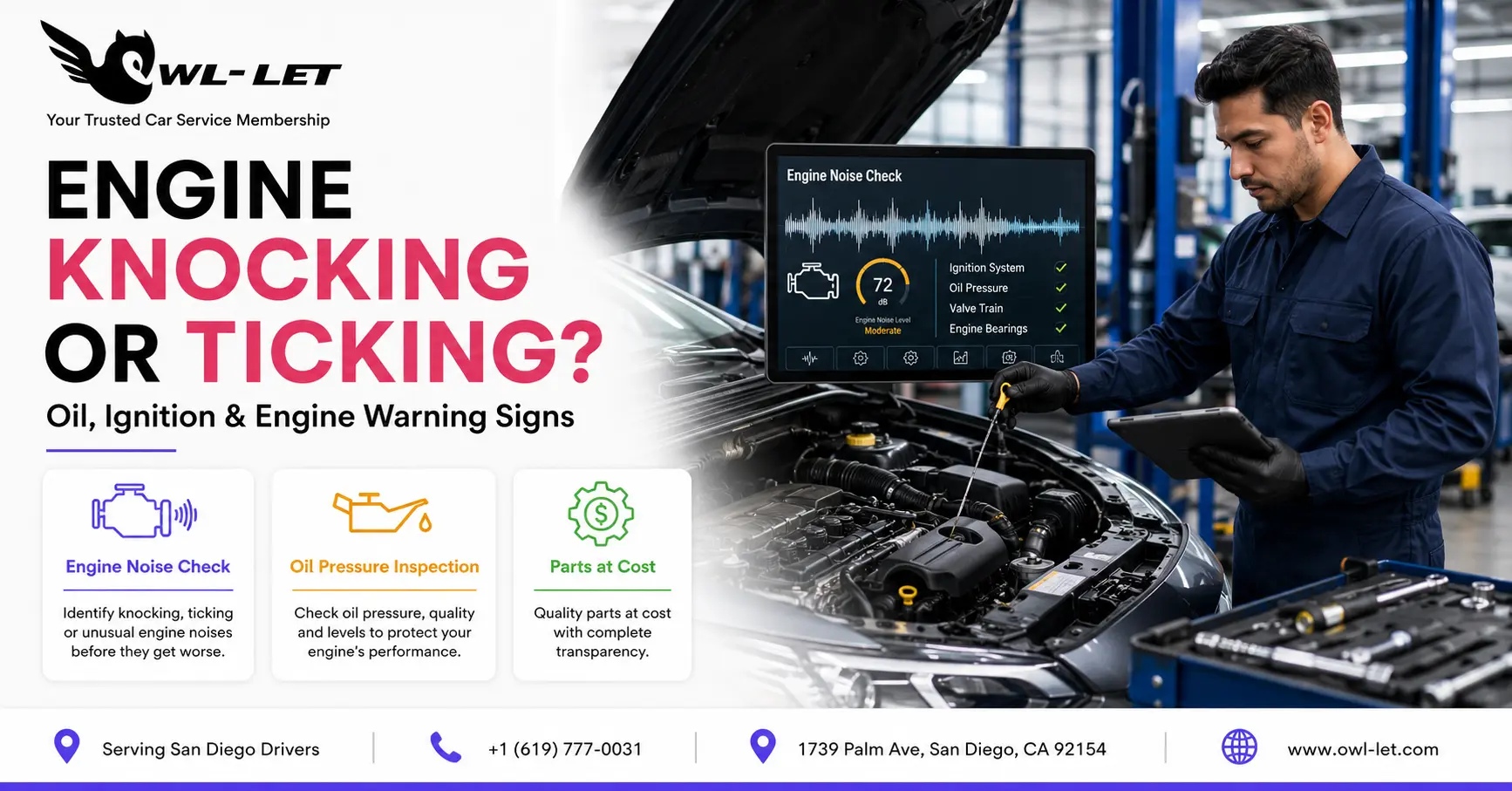
Think of your vehicle like a complex ecosystem. When one small part—like a timing belt or engine oil—degrades, it places undue stress on the entire system. Ignoring a $100 oil change today can lead to a $5,000 engine replacement tomorrow. In the world of Owl-Let automotive insights, we call this the "compound interest of neglect."
Why Does Regular Oil Maintenance Save the Engine?
One of the most frequent People Also Ask queries is whether high-quality oil actually matters. The engine is the heart of your vehicle, and oil is its lifeblood.
-
Lubrication: Reduces friction between moving parts.
-
Heat Dissipation: Helps carry heat away from the combustion chamber.
-
Cleaning: Specialized additives in modern oils prevent sludge buildup.
When you skip scheduled oil changes, the fluid breaks down and becomes abrasive. This leads to engine sludge, which can clog narrow passages and cause catastrophic failure. A regular check-up via a service like Owl-Let ensures these minor fluids are topped up before they become major liabilities.
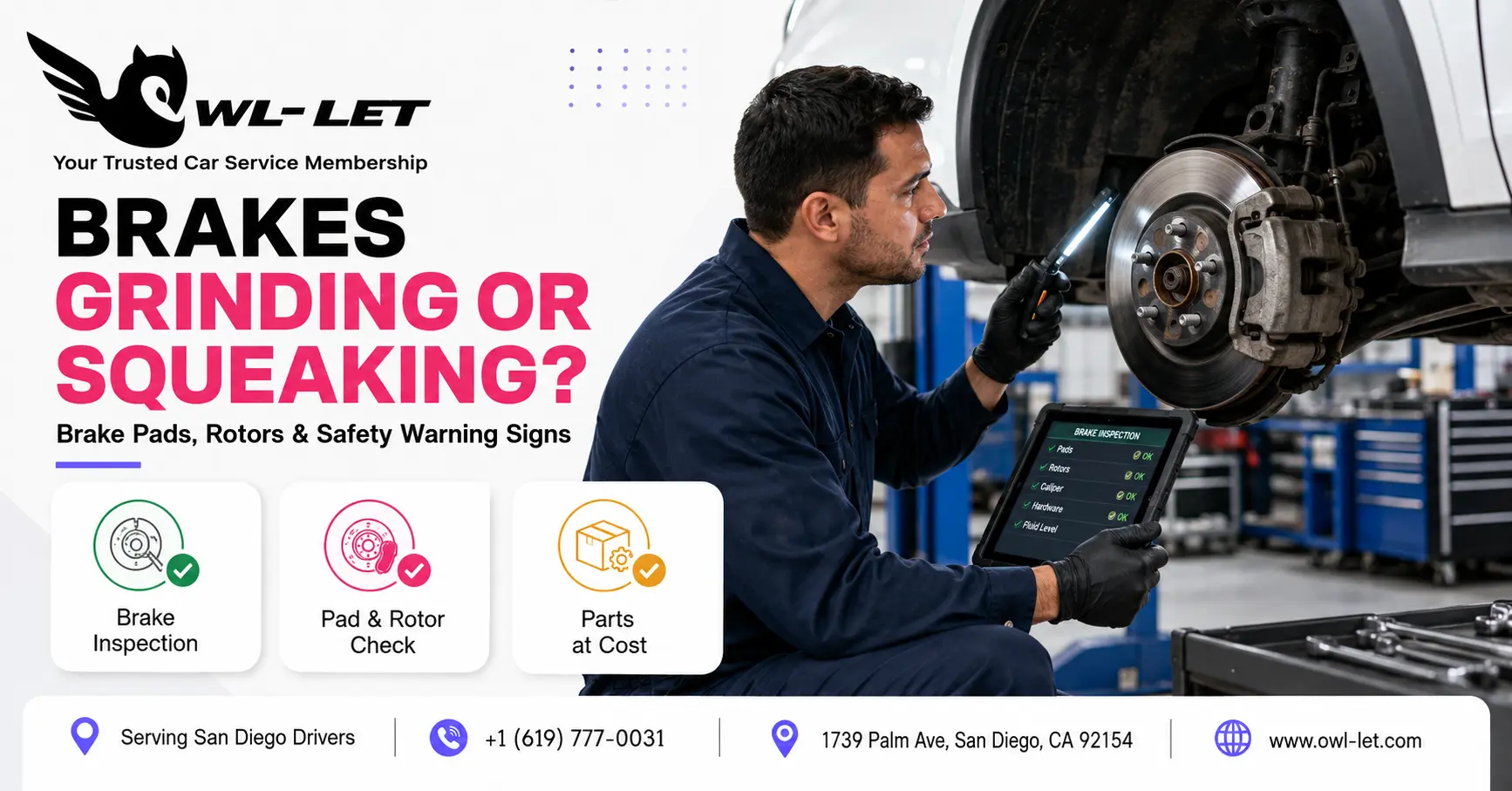
How Do Worn Brake Pads Affect Your Rotors?
Another common question: Can I wait until my brakes squeal to fix them? While you can, it’s a financial gamble.
-
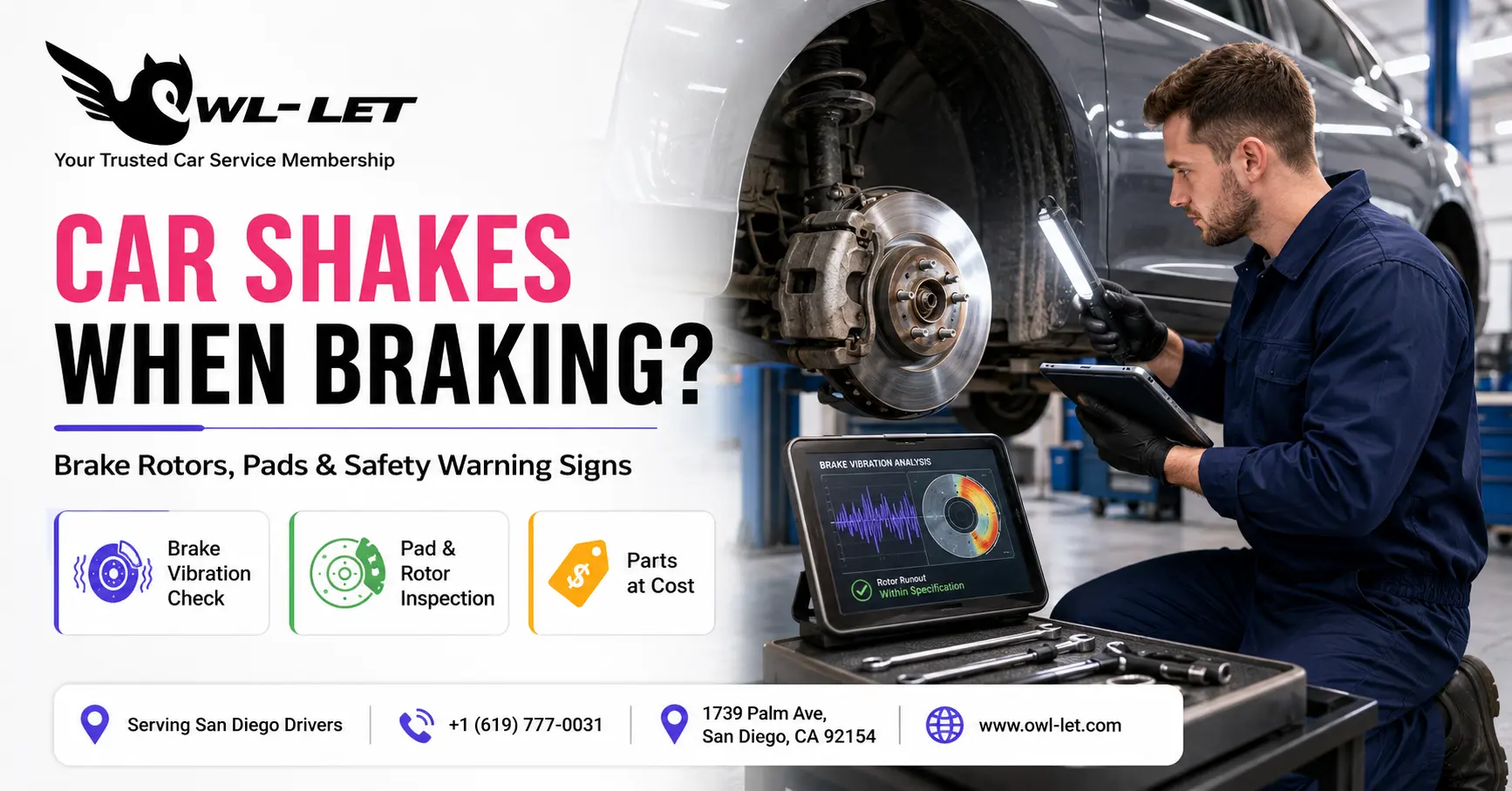
Stage 1: Brake pads wear down (Cost: ~$150-$300).
-
Stage 2: The metal backing of the pad grinds against the brake rotors (Cost: +$400).
-
Stage 3: Heat buildup warps the calipers or damages the ABS sensors (Cost: +$1,000).
By maintaining your brakes regularly, you only ever pay for the pads. By waiting for a "break," you inherit a bill for the entire braking assembly.
Is It Cheaper to Maintain a Car Regularly or Just Fix It When Something Breaks for Fuel Economy?
Maintenance isn't just about avoiding the mechanic; it's about what you spend at the pump. Topical authority in automotive care suggests that a poorly maintained car can lose up to 10% to 15% in fuel efficiency.
-
Tire Pressure: Under-inflated tires increase rolling resistance.
-
Air Filters: Clogged filters force the engine to work harder.
-
Spark Plugs: Fouled plugs lead to incomplete combustion and "misfires."
Over a year of commuting, that 10% loss in MPG can easily add up to $300–$500 in wasted fuel—the exact cost of a comprehensive annual service plan.
What Are the Hidden Costs of Roadside Breakdowns?
The "fix it when it breaks" strategy ignores the soft costs of a breakdown. When your car dies on the highway, you aren't just paying for the repair:
-
Towing Fees: Often $100–$250 depending on distance.
-
Opportunity Cost: Lost wages from missing work or missed appointments.
-
Emergency Premiums: Mechanics often charge more for "rush" diagnostic work on a dead vehicle.
Using a proactive platform like Owl-Let helps you schedule maintenance during your downtime, not when the car decides to quit in the middle of a rainstorm.
Can a Consistent Service History Increase Your Car’s Resale Value?
When it’s time to sell, a "Fix-it-later" car is a red flag to buyers. A documented service history acts as a "health certificate" for your vehicle. Data shows that cars with full maintenance records sell for 15% to 20% more than those without.
Prospective buyers look for:
-
Regular fluid flushes (Coolant, Transmission, Brake).
-
Timing belt replacements at recommended intervals.
-
Tire rotation and alignment records.
Conclusion: The Final Verdict on Maintenance
Ultimately, the data is clear: is it cheaper to maintain a car regularly or just fix it when something breaks? Maintenance wins every time. It offers safety, reliability, and massive long-term savings.
To make this easy, Owl-Let provides a seamless way to stay on top of your vehicle's health. By choosing a professional approach, you ensure your car remains an asset rather than a rolling liability. For the ultimate peace of mind, consider the Owl-Let Car Service Membership Plan, starting at just $24.99 Monthly. It’s a small investment to prevent the massive, unexpected costs of a breakdown. Visit www.owl-let.com to secure your vehicle’s future today.
Comments 0
No comments yet
Be the first!