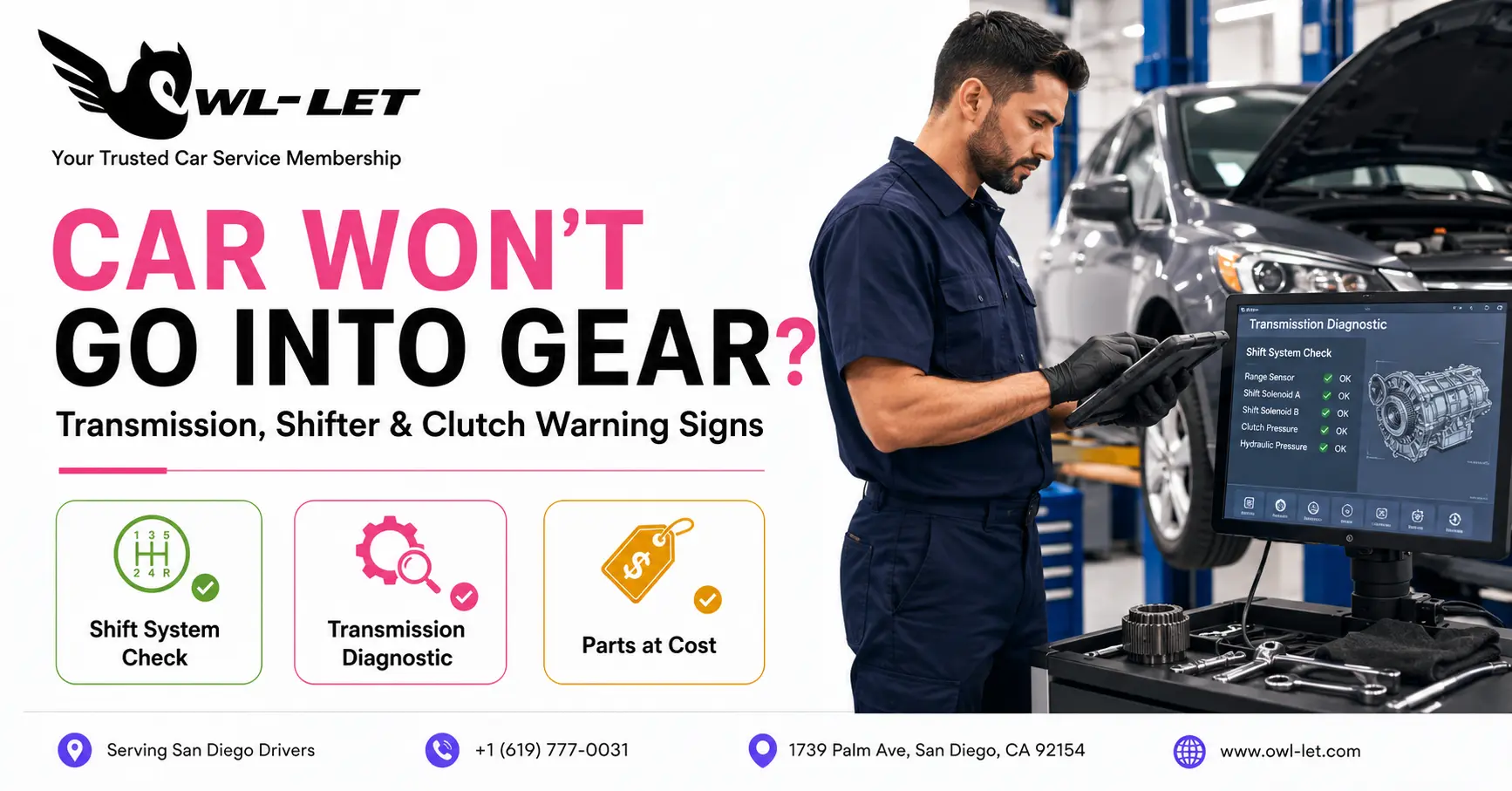
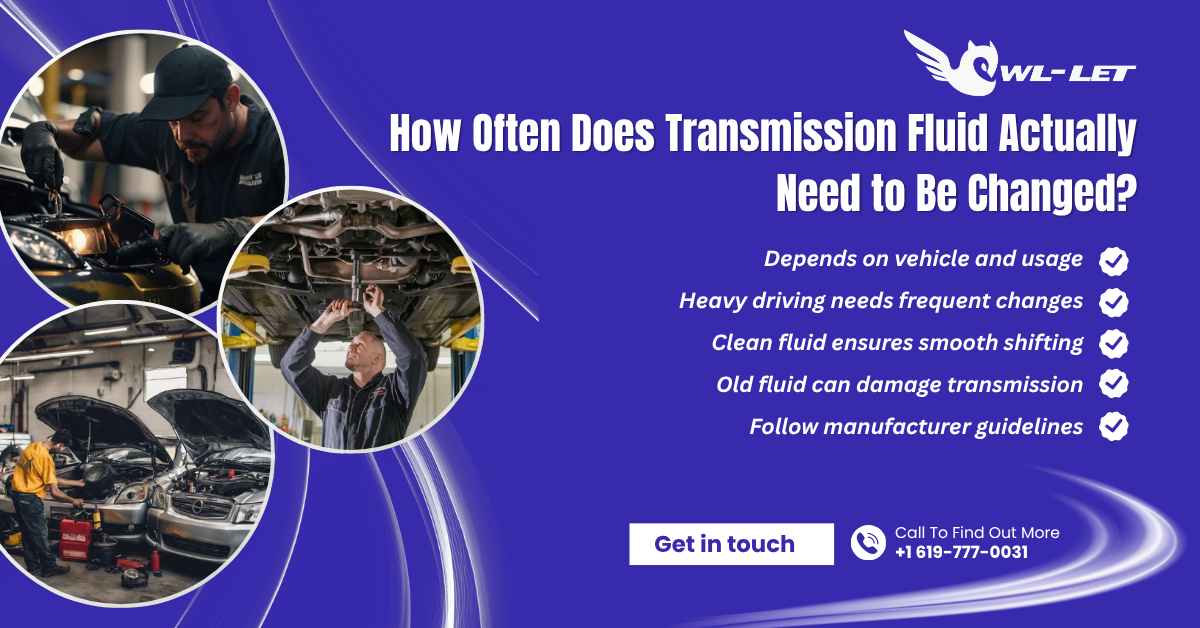
Most modern vehicles require a transmission fluid change every 30,000 to 60,000 miles for manual gearboxes and 60,000 to 100,000 miles for automatics. However, heavy towing, city idling, or aggressive driving may necessitate changes as early as 30,000 miles to prevent gear slipping and internal heat damage.
Key Takeaways: Transmission Maintenance at a Glance
|
Feature |
Manual Transmission |
Automatic Transmission |
CVT (Continuously Variable) |
|
Typical Interval |
30,000 – 60,000 Miles |
60,000 – 100,000 Miles |
40,000 – 50,000 Miles |
|
Primary Risk |
Gear Synchronizer Wear |
Clutch Debris & Fluid Oxidation |
Belt/Pulley Slippage |
|
Fluid Type |
Gear Oil / Heavy Viscosity |
ATF (Automatic Transmission Fluid) |
Specialized CVT Fluid |
|
Check Method |
Usually a plug on the side |
Dipstick or "Lifetime" Port |
Scan Tool / Level Plug |
How Often Does Transmission Fluid Actually Need to Be Changed?
If you are wondering how often does transmission fluid actually need to be changed?, you aren’t alone. In an era where manufacturers often claim "lifetime" fluids are the norm, real-world data from high-mileage drivers suggests otherwise. Transmission fluid is the lifeblood of your vehicle’s drivetrain; it acts as a hydraulic fluid, a coolant, and a lubricant all at once.
Over time, this fluid succumbs to thermal breakdown and contamination. At Owl-Let, we’ve seen that proactive maintenance—rather than waiting for a dashboard warning—is the difference between a minor service and a $5,000 transmission rebuild. With 2026 vehicle tech leaning harder on complex electronic shifting, maintaining fluid integrity is more critical than ever.
Is Transmission Fluid Really "Lifetime" as Manufacturers Claim?
Many modern European and domestic cars come with "sealed" transmissions. While the marketing suggests the fluid lasts the life of the car, mechanics often joke that "the life of the car" ends when the transmission fails.
-
Oxidization: High heat causes the fluid to lose its lubricating properties.
-
Debris Accumulation: Microscopic metal shavings from gears can clog the transmission filter.
-
Viscosity Loss: Once the fluid thins out, it cannot maintain the pressure required for smooth shifting.
What Are the Signs Your Transmission Fluid Needs Changing Immediately?
You don't always need to wait for the odometer to hit a specific number. Your car will often "talk" to you. If you notice these symptoms, it’s time for an inspection:
-
Delayed Engagement: You shift into Drive, but there’s a two-second lag before the car moves.
-
Rough Shifting: The transition between gears feels jerky or produces a "clunking" sound.
-
Slipping Gears: The engine revs up, but the vehicle doesn't accelerate proportionally.
-
Discolored Fluid: Healthy fluid is typically bright pink or red. If it looks like dark coffee or smells burnt, it has failed.
How Does Driving Style Impact Your Transmission Service Interval?
Not all miles are created equal. An Owl-Let membership analysis shows that drivers in hilly terrains or stop-and-go city traffic require more frequent intervals than highway cruisers.
-
Severe Service Conditions: If you frequently tow trailers, drive in extreme heat (above 90°F), or participate in spirited driving, you should follow a 30,000-mile interval.
-
Normal Service Conditions: Steady highway driving in temperate climates allows for the extended 60,000 to 100,000-mile window.
Expert Insight: "Heat is the #1 killer of transmissions. Every 20-degree drop in fluid temperature can potentially double the life of the unit." — [Source: Placeholder for Automotive Engineering Society Study]
Should I Do a Transmission Flush or a Fluid Change?
This is one of the most debated topics in automotive care.
-
Transmission Change (Drain & Fill): This removes about 40–60% of the fluid, including the sediment in the pan. It’s safer for older vehicles.
-
Transmission Flush: This uses a machine to force out 100% of the old fluid. While thorough, it can occasionally dislodge debris that clogs narrow valve bodies in high-mileage cars that haven't been maintained.
For most Owl-Let members, we recommend a consistent drain-and-fill strategy to maintain chemical balance without shocking the system.
Can Changing Transmission Fluid Cause Damage?
A common myth is that changing fluid in a high-mileage car will cause it to fail. The truth is that if the transmission is already failing, the "grit" in the old fluid might be the only thing providing enough friction for the worn clutches to grab. Changing the fluid simply reveals the damage that was already there.
How to Change Transmission Fluid: A Step-by-Step Guide
For those who prefer a DIY approach, follow these steps to ensure a clean transition.
Tools Needed:
-
New ATF (Check your owner's manual for specific specs like Dexron VI or Mercon V)
-
Replacement filter and pan gasket
-
Socket set and torque wrench
-
Drain pan and funnel
The Process:
-
Warm the Engine: Drive for 10 minutes to thin the fluid.
-
Drain the Pan: Position your pan under the drain plug.
-
Remove the Pan: Clean the magnet inside the pan; it’s designed to catch metal shavings.
-
Replace the Filter: Pop out the old filter and click the new one into place.
-
Refill: Add the exact amount of fluid removed. Overfilling can be just as damaging as underfilling.
The Cost of Neglect vs. The Cost of Maintenance
A standard fluid service might cost between $150 and $300. In contrast, a total transmission replacement averages $3,500 to $6,000. By staying on top of your transmission service, you are essentially buying insurance for your vehicle's longevity.
At Owl-Let, we specialize in managing these logistics so you don't have to worry about the "when" or "how." Our membership covers the oversight needed to keep your drivetrain healthy.
Conclusion: Take Control of Your Vehicle’s Longevity
In summary, the answer to how often does transmission fluid actually need to be changed? depends heavily on your vehicle type and environment, but a safe baseline is every 50,000 miles. Ignoring this vital fluid leads to oxidized "sludge" that will eventually leave you stranded.
Don't wait for the "Check Engine" light to tell you what your odometer already knows. Secure your peace of mind with a professional maintenance strategy. For comprehensive car care and specialized service tracking, visit Owl-Let. Our Car Service Membership plans start at just $24.99 monthly, providing you with expert oversight and priority scheduling to ensure your transmission—and your budget—stay in top gear.
Comments 0
No comments yet
Be the first!