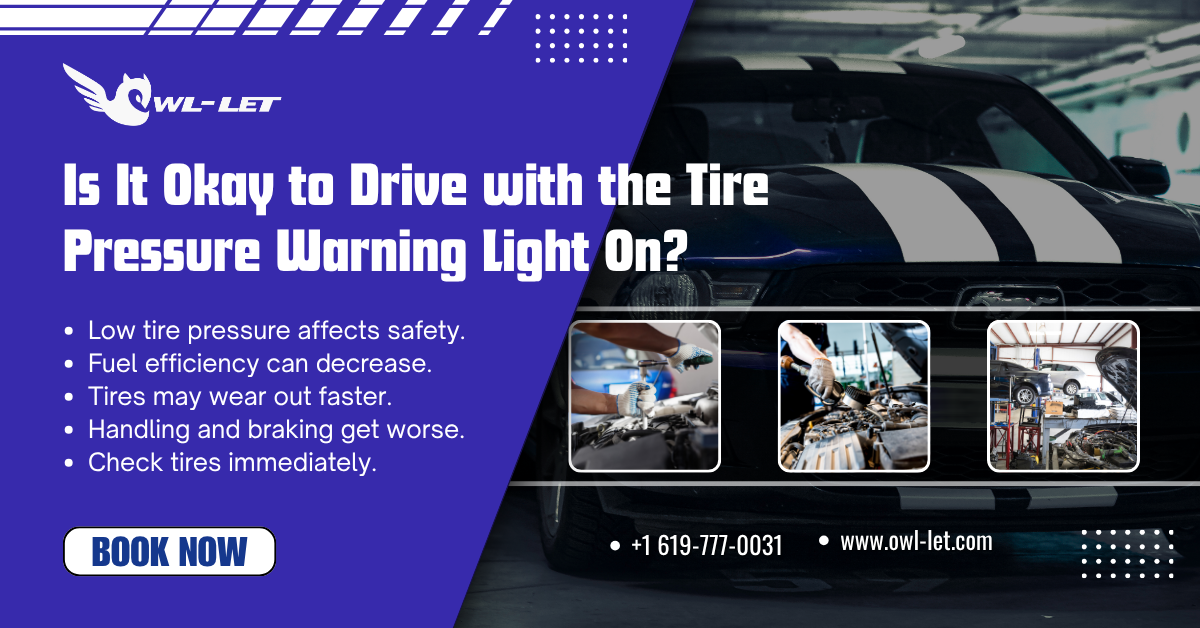
No, it is generally not safe to continue driving with the tire pressure warning light (TPMS) on. While you can drive a short distance to a service station, low pressure compromises vehicle handling, increases braking distances, and risks a dangerous blowout. Promptly check your PSI to ensure safety and fuel efficiency.
Key Takeaways: Tire Pressure Safety
|
Feature |
Impact of Low Tire Pressure |
Recommended Action |
|
Safety |
Increased risk of blowouts and hydroplaning |
Pull over and inspect tires immediately |
|
Handling |
Sluggish steering and poor cornering |
Adjust PSI to manufacturer specs |
|
Longevity |
Rapid tread wear and heat buildup |
Check pressure monthly |
|
Efficiency |
Reduced fuel economy (MPG) |
Maintain optimal PSI for savings |
Why Did My Tire Pressure Light Just Come On?
Seeing that yellow horseshoe symbol illuminate on your dashboard can be unsettling. As someone who has spent years analyzing vehicle telemetry and road safety patterns, I can tell you that the TPMS (Tire Pressure Monitoring System) is your first line of defense against mechanical failure.
Is it okay to drive with the tire pressure warning light on? In short: only as far as the nearest air pump. When your light activates, it typically means at least one tire is 25% or more below its recommended inflation level. At this stage, the structural integrity of the tire is already being tested by heat and friction.
Common Reasons for TPMS Activation
-
Temperature Fluctuations: A sudden cold snap can cause air to compress, dropping your PSI.
-
Slow Leaks: A nail or a faulty valve stem can cause a gradual loss of air.
-
TPMS Sensor Failure: Sometimes the battery in the sensor itself dies, triggering a false alarm.
How Far Can I Drive with the TPMS Light On?
If the light is solid (not flashing), you can typically drive 5 to 10 miles to reach a service station. However, this assumes the car isn't pulling to one side and you don't hear a "flapping" sound.
If you are wondering how to handle this situation efficiently, many drivers now opt for a comprehensive car service membership that includes roadside assistance. For about $24.99 monthly, you can ensure that a flat tire never leaves you stranded on the highway.
What Should I Do if My Tire Pressure Light Is Flashing?
A flashing TPMS light is a different beast entirely.
-
System Malfunction: Usually, a light that flashes for 60 to 90 seconds and then stays solid indicates a problem with the monitoring system itself, not necessarily the air pressure.
-
Immediate Inspection: Even if it’s "just a sensor," you lose the ability to monitor real-time tire health. You should have a technician look at it during your next scheduled maintenance.
The Hidden Dangers of Under-Inflated Tires
Driving on under-inflated tires isn't just a minor maintenance oversight; it’s a significant safety hazard.
-
Hydroplaning Risk: Low pressure changes the tire's footprint, making it harder for the tread to channel water away.
-
Increased Braking Distance: Soft tires don't grip the road effectively during emergency stops.
-
Tire Blowouts: When a tire is low, the sidewalls flex more, generating excessive heat that can lead to a catastrophic failure at high speeds.
Expert Insight: According to the [National Highway Traffic Safety Administration (NHTSA)], tire-related crashes cause hundreds of fatalities annually. Maintaining the correct PSI is the simplest way to avoid becoming a statistic.
How Do I Check and Correct My Tire Pressure?
Maintaining your vehicle shouldn't feel like a chore. Follow these steps to reset your light and stay safe:
-
Find Your PSI: Check the sticker on your driver-side door jamb (not the Max PSI on the tire sidewall).
-
Check Tires "Cold": For the most accurate reading, check the pressure before driving or at least three hours after stopping.
-
Inflate: Use a portable compressor or a gas station pump to reach the target number.
-
Reset the Light: Most modern cars require you to drive for a few miles at speeds over 20 mph for the light to turn off automatically.
At Owl-Let those who prefer a "set it and forget it" approach to vehicle health, professional monitoring through a premium auto care plan can take the guesswork out of maintenance. At just $24.99 monthly, these plans often cover routine checks that keep your TPMS in peak condition.
Conclusion: Safety First, Always
While it may be tempting to ignore that glowing icon, the risks to your safety and your wallet are too high. Is it okay to drive with the tire pressure warning light on? No—treating it as an emergency is the hallmark of a responsible driver.
By staying proactive with your vehicle’s needs, you ensure a smoother, safer journey. For world-class automotive resources and peace of mind, visit Owl-Let. Our dedicated Car Service Membership Plan, starting at just $24.99 Monthly, provides the expert support you need to keep your vehicle—and your tires—in top-tier shape.
Comments 0
No comments yet
Be the first!