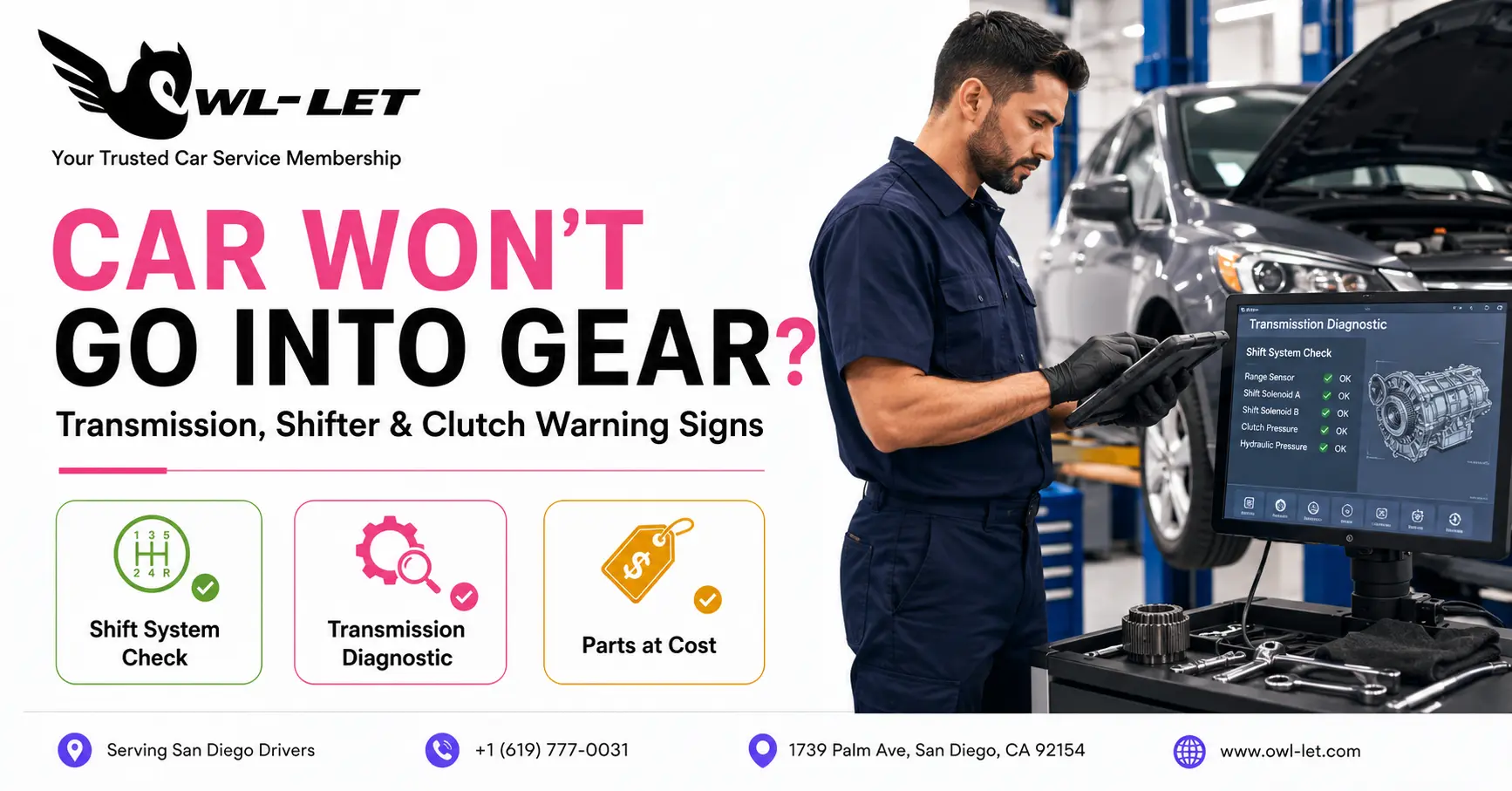
How Long Can I Wait Before Getting a Transmission Repair? In the world of automotive mechanics, the transmission is the most complex component of your vehicle. Unlike an oil change or a brake pad replacement, transmission issues are progressive and compounding.
If you are noticing a slight delay when shifting from Park to Drive, you are likely experiencing the early stages of hydraulic pressure loss. In 2026, modern 9-speed and 10-speed transmissions rely on ultra-precise electronic solenoids. Waiting even a few days allows internal heat to build up, which can glaze the clutches and contaminate the entire fluid system with metal shavings. To maintain your car’s longevity, a proactive approach isn't just recommended; it’s financially essential.
Key Takeaways for Vehicle Owners
|
Severity Level |
Symptom |
Action Required |
Risk of Waiting |
|
Low |
Minor fluid leak (Pink/Red) |
Inspect within 1 week |
Low fluid leads to overheating |
|
Medium |
Hesitation or "Hunting" for gears |
Diagnostic within 3 days |
Accelerated clutch wear |
|
High |
Grinding, Slipping, or Burning Smell |
Stop driving immediately |
Complete transmission failure |
Can I Drive My Car with a Transmission Leak?
Technically, you can drive with a leak as long as the fluid level remains above the "Add" line on the dipstick. However, this is a dangerous game. Transmission fluid serves three purposes: it acts as a coolant, a lubricant, and hydraulic pressure.
-
Loss of Pressure: Once the fluid drops below a certain threshold, the transmission can no longer engage the gears properly.
-
The "Burnt" Point: Operating with low fluid causes the remaining liquid to overheat rapidly. Once the fluid smells "burnt," it has lost its chemical integrity and is no longer protecting your gears.
What Are the Immediate Warning Signs of Transmission Failure?
Identifying the problem early is the best way to avoid a $4,000 repair bill. Look for these specific indicators:
-
Refusal to Switch Gears: The car stays in "Limp Mode" to protect the engine.
-
The "Check Engine" Light: Modern OBD-II systems often throw a P0700 code specifically for transmission control malfunctions.
-
Odd Noises: Whining, clunking, or humming while in neutral are classic signs of internal bearing wear.
How Do Modern 2026 Gearboxes Differ in Repair Timelines?
With the rise of CVT (Continuously Variable Transmissions) and dual-clutch systems, the window for repair has narrowed. Traditional planetary gearsets were somewhat more forgiving. Today’s high-efficiency gearboxes use steel belts and pulleys that can snap if the fluid's friction modifiers break after an overheat. This makes the Owl-Let philosophy of "Early Detection" the gold standard for modern drivers.
Is It Worth Repairing a Transmission on an Old Car?
The decision typically follows the "50% Rule." If the cost of the transmission repair exceeds 50% of the vehicle’s current market value, it may be time to consider a trade-in. However, if the car is otherwise in excellent mechanical shape, a remanufactured transmission often comes with a 3-year warranty, effectively resetting the life of your powertrain.
How Can Regular Maintenance Prevent Transmission Breakdown?
The best way to answer "how long can I wait" is to ensure you never have to ask it.
-
Fluid Flushes: Recommended every 40,000 to 60,000 miles.
-
Filter Replacements: Prevents debris from clogging the valve body.
-
Software Updates: Sometimes, a "slipping" transmission is actually just a computer in need of a firmware flash.
Conclusion: Protecting Your Investment
Waiting to address a transmission issue is the most expensive mistake a car owner can make. The difference between a $200 sensor replacement today and a $5,000 total overhaul next month is often just a few days of driving.
At Owl-Let, we believe that peace of mind shouldn't be a luxury. Our mission is to keep you on the road without the stress of sudden, massive repair bills. To stay ahead of the curve, we recommend our Premium Car Service Membership. For just $24.99 monthly, you get the expert oversight and routine maintenance checks that ensure your transmission—and your budget—stay healthy for years to come.
Comments 0
No comments yet
Be the first!