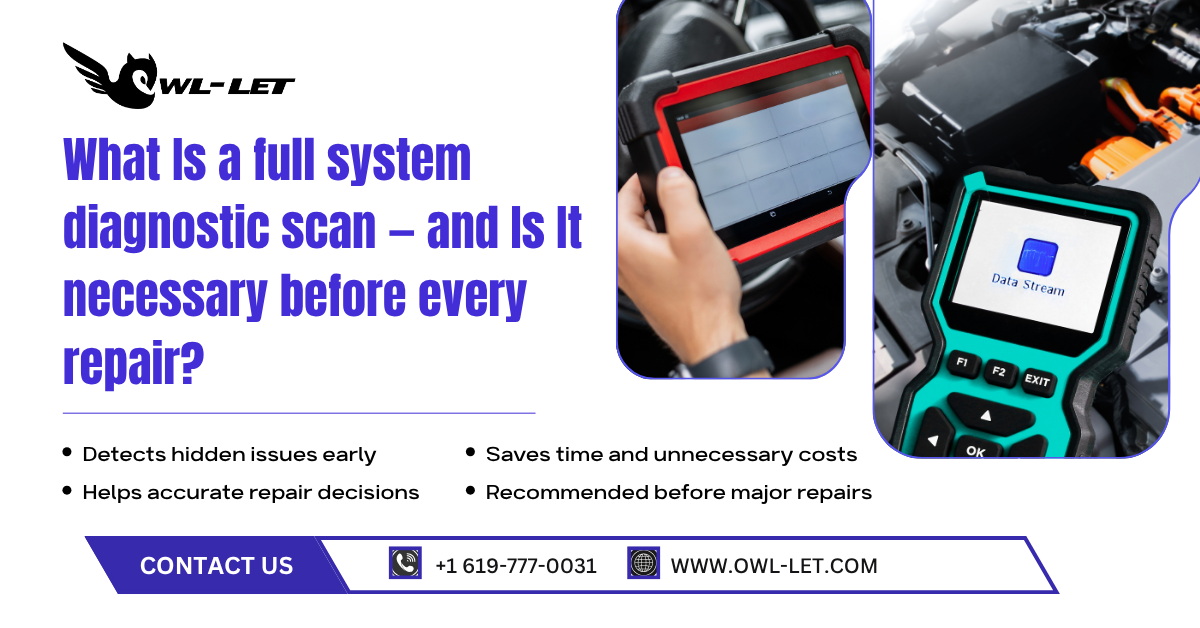
A full system diagnostic scan is a comprehensive digital health check that interfaces with your vehicle’s On-Board Diagnostics (OBD-II) system to retrieve real-time data and "Trouble Codes" (DTCs) from all electronic control units (ECUs). While not mandatory for basic mechanical repairs like tire rotations, it is essential for modern, sensor-heavy vehicles to ensure accurate fixes and prevent hidden issues from escalating.
Key Takeaways: Diagnostic Scans vs. Visual Inspections
|
Feature |
Visual Inspection |
Full System Diagnostic Scan |
|
Primary Goal |
Finding physical wear/leaks. |
Detecting electronic & sensor failures. |
|
Tools Used |
Flashlight, manual gauges. |
Professional OBD-II Scanner & Software. |
|
Scope |
Limited to visible components. |
Scans Engine, Transmission, ABS, Airbags. |
|
Reliability |
Subjective (Technician's eye). |
Objective (Real-time data streams). |
Why is a full system diagnostic scan the first step in modern car care?
In the current automotive landscape, cars are essentially "computers on wheels." When you ask, what is a full system diagnostic scan — and is it necessary before every repair?, you have to understand that today's vehicles contain dozens of microprocessors.
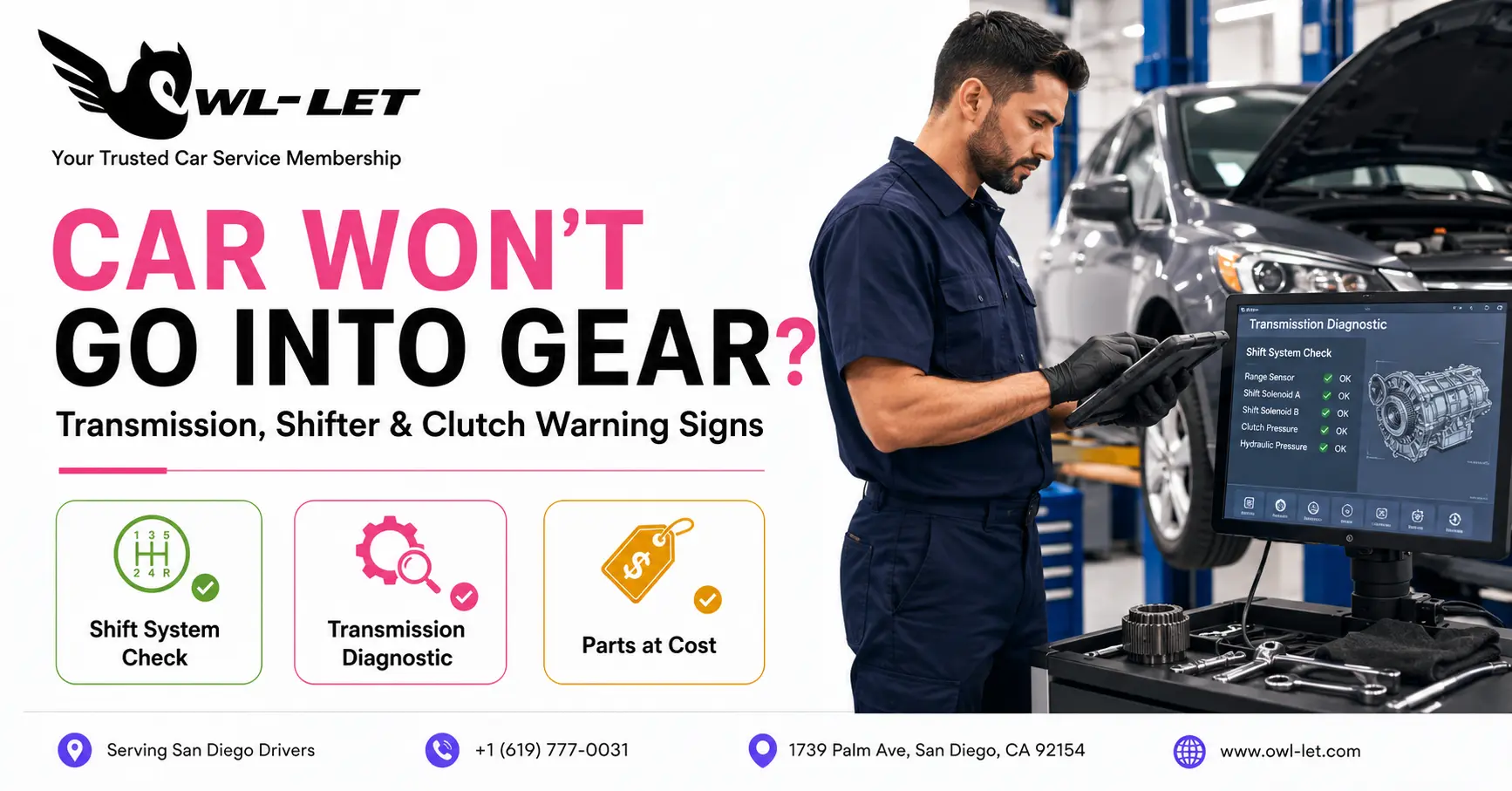
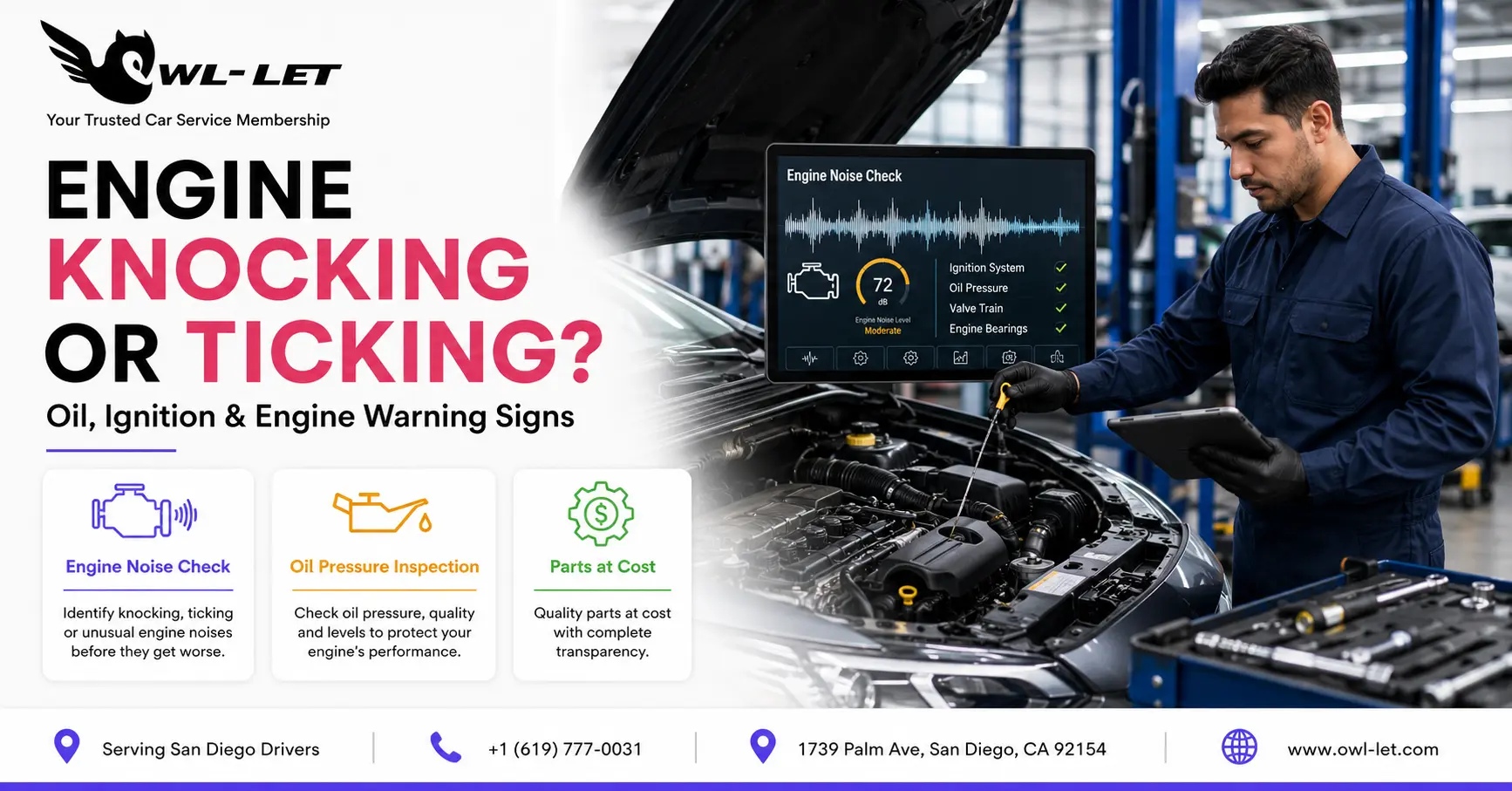
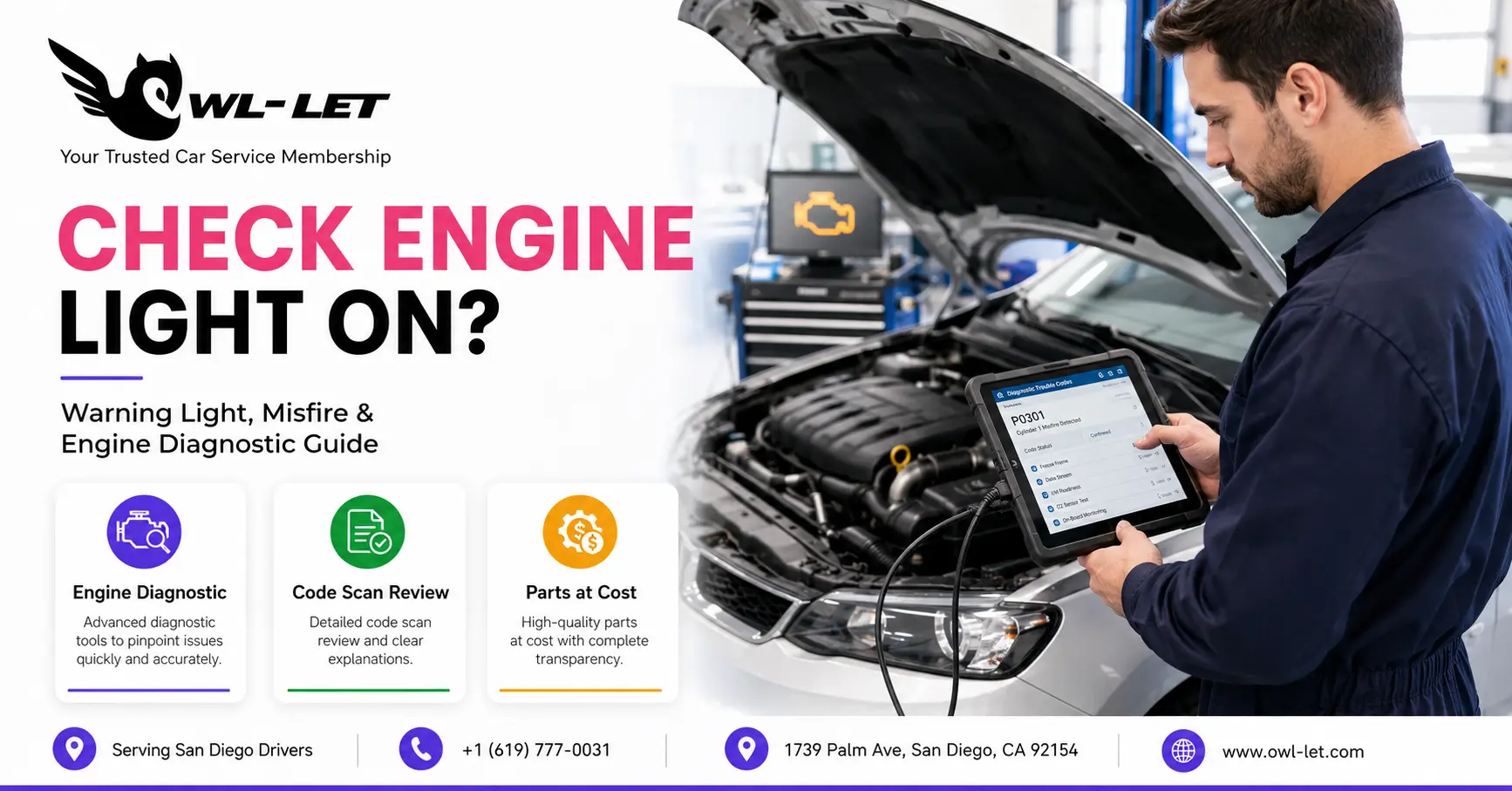
A diagnostic scan isn't just about reading a "Check Engine" light. It involves plugging a high-level scanning tool into the vehicle's port to communicate with the Engine Control Module (ECM), Transmission Control Module (TCM), and even the Body Control Module (BCM). This process uncovers "pending codes"—issues that haven't yet triggered a dashboard light but are affecting fuel efficiency or performance. At Owl-Let, we’ve seen how a simple $25 scan can save a driver $2,500 in avoided transmission failures.
How does a diagnostic scan work?
When the scan initiates, the software "pings" every sensor in the vehicle. It checks:
-
Fuel Trim Levels: Is the engine running too lean or too rich?
-
Ignition Timing: Are the cylinders firing at the exact millisecond required?
-
Emission Controls: Is the catalytic converter performing within legal parameters?
-
Safety Systems: Are the ABS and SRS (airbag) sensors communicating correctly?
Why is a diagnostic scan necessary before complex repairs?
Many drivers wonder if they can skip the scan to save money. However, performing a repair without a scan is like a surgeon operating without an X-ray.
Diagnostic scans provide "Freeze Frame Data." This tells the technician exactly what the car was doing—speed, temperature, and load—the moment a fault occurred. Without this, a mechanic might replace a sensor when the real issue is a frayed wire or a vacuum leak. By utilizing a full system diagnostic scan, we eliminate the "parts cannon" approach, where mechanics replace parts blindly until the problem goes away.
Can a diagnostic scan tell you exactly what part to fix?
Not exactly. A scan provides a Diagnostic Trouble Code (DTC), which acts as a "starting point" for a technician. For example, a code might indicate a "Lean Condition," but it’s up to a professional to determine if that's caused by a dirty fuel injector, a vacuum leak, or a failing fuel pump.
Is it necessary to perform a scan for routine maintenance?
While it might seem overkill for an oil change, a full system diagnostic scan is highly recommended during your annual service. Here is why:
-
Identifying Hidden Faults: Modern cars often hide "soft codes" that don't trigger lights but reduce MPG.
-
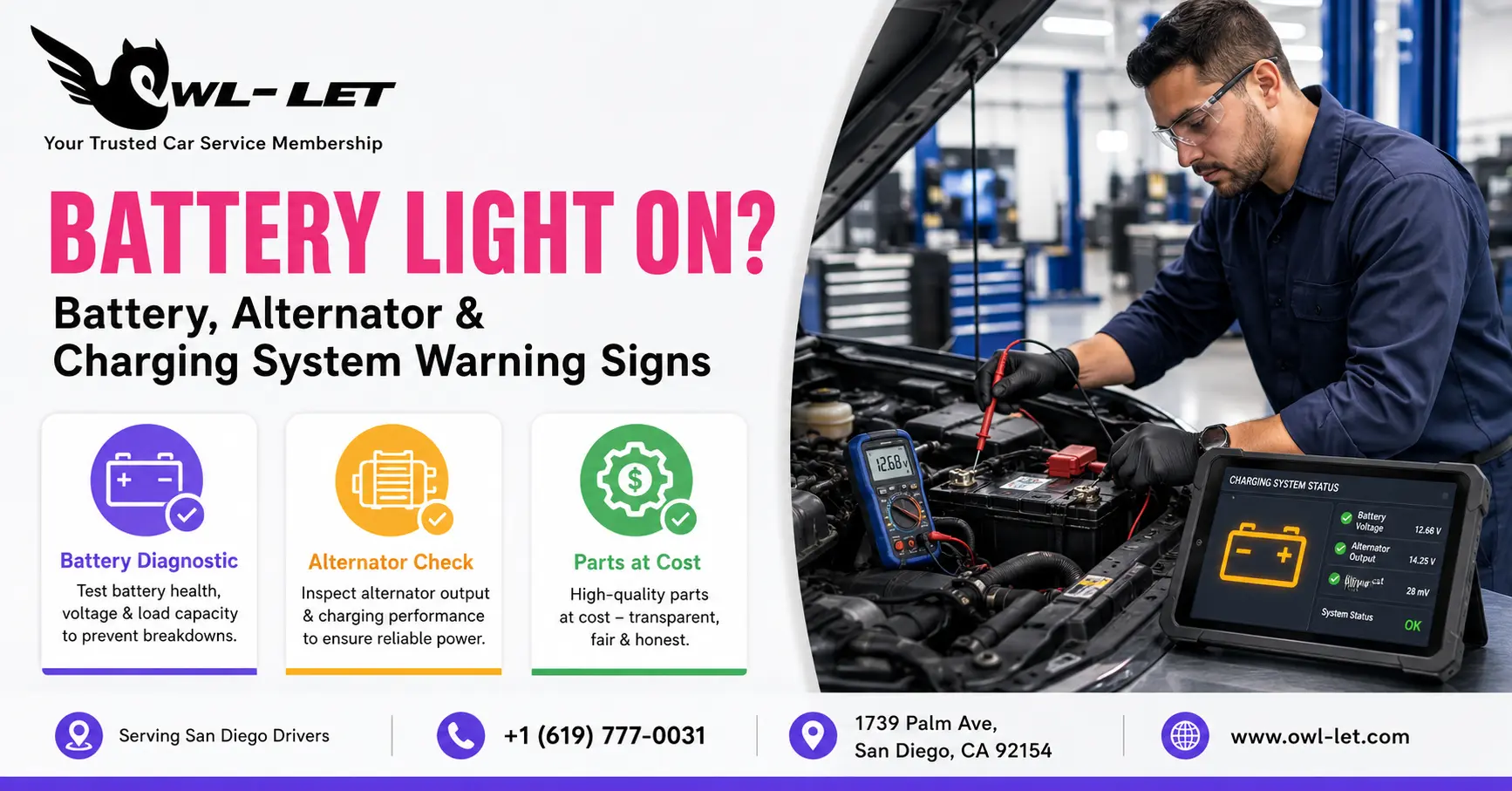
Battery Health Monitoring: Modern Scanners check the voltage drop during start-up to predict battery failure.
-
Software Updates: Sometimes, "repairing" a car simply means updating its firmware, much like an iPhone.
For members of the Owl-Let car service network, these scans are often integrated into regular check-ups to ensure long-term reliability.
How long does a full system diagnostic scan take?
Direct Conversational Answer:
A basic code pull takes 5–10 minutes. However, a full system diagnostic scan with "live data graphing" usually takes 30 to 60 minutes. This allows the technician to test the vehicle under different operating conditions to see how various modules interact.
What happens if you skip the diagnostic scan?
Skipping the scan often leads to compound failures. If an oxygen sensor is failing and you ignore it because the car "drives fine," you could eventually melt your catalytic converter—a repair that costs ten times more than the sensor.
Common risks of skipping a scan:
-
Reduced fuel economy (up to 20% loss).
-
Failed emissions testing (smog checks).
-
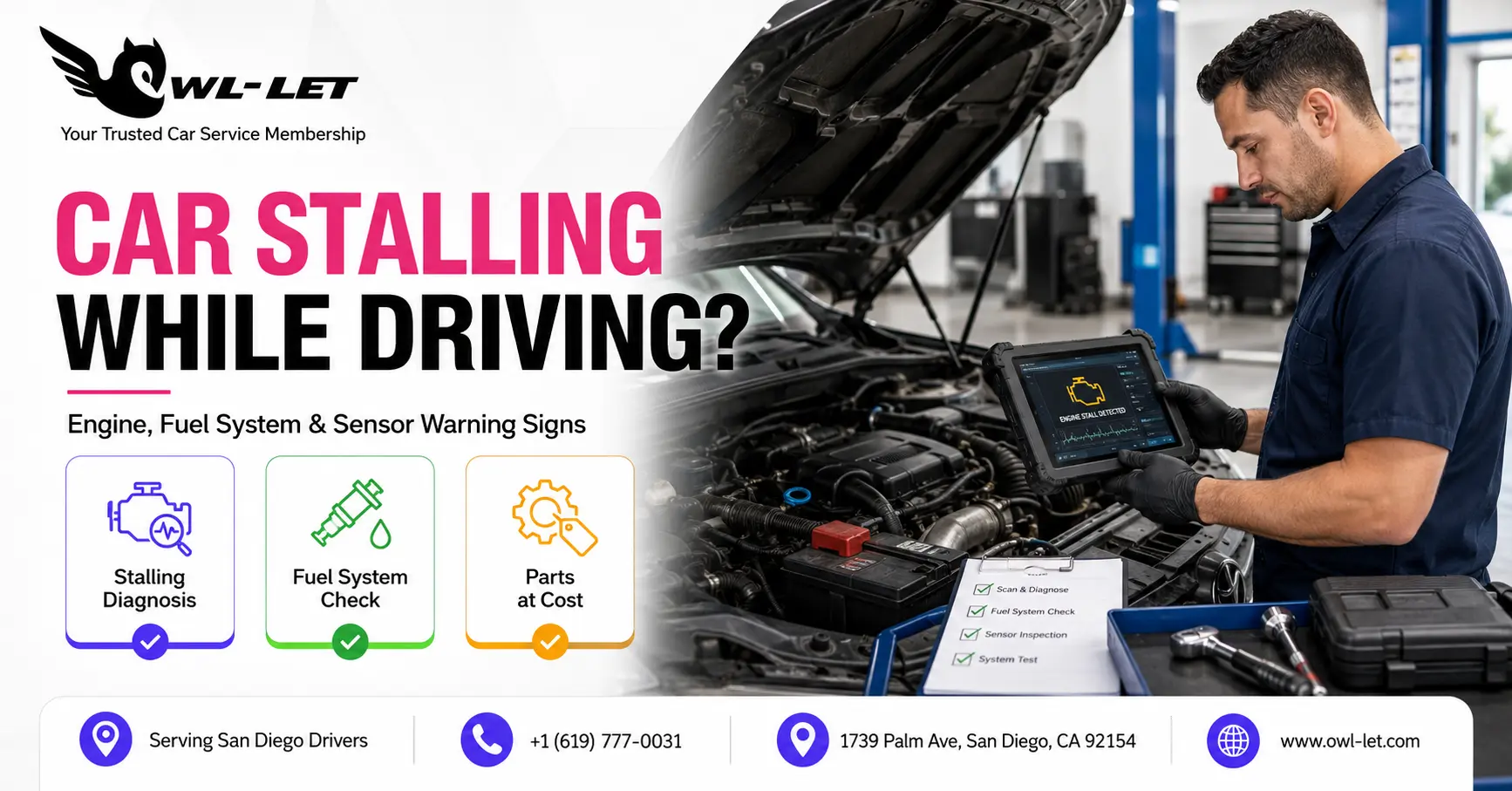
Potential engine stalling in traffic.
-
Voiding manufacturer warranties.
Summary: The Future of Vehicle Diagnostics in 2026
As we move toward electric and hybrid vehicles, the full system diagnostic scan becomes even more critical. In EVs, the scan monitors cell balance in the high-voltage battery and the thermal management system. Whether you drive a gas-powered truck or a high-tech EV, data is the only way to ensure safety.
Conclusion: Why your car deserves a digital check-up
Understanding what is a full system diagnostic scan — and is it necessary before every repair? is the hallmark of a savvy car owner. It transforms car care from guesswork into a science. To stay ahead of costly repairs and keep your vehicle in peak condition, consider a professional partnership.
At Owl-Let, we believe in proactive maintenance rather than reactive repairs. Our exclusive car service membership plans, starting at just $24.99 monthly, include comprehensive digital health checks to ensure you’re never caught off guard. Visit www.owl-let.com to secure your peace of mind and join a community of drivers who value precision.
Comments 0
No comments yet
Be the first!