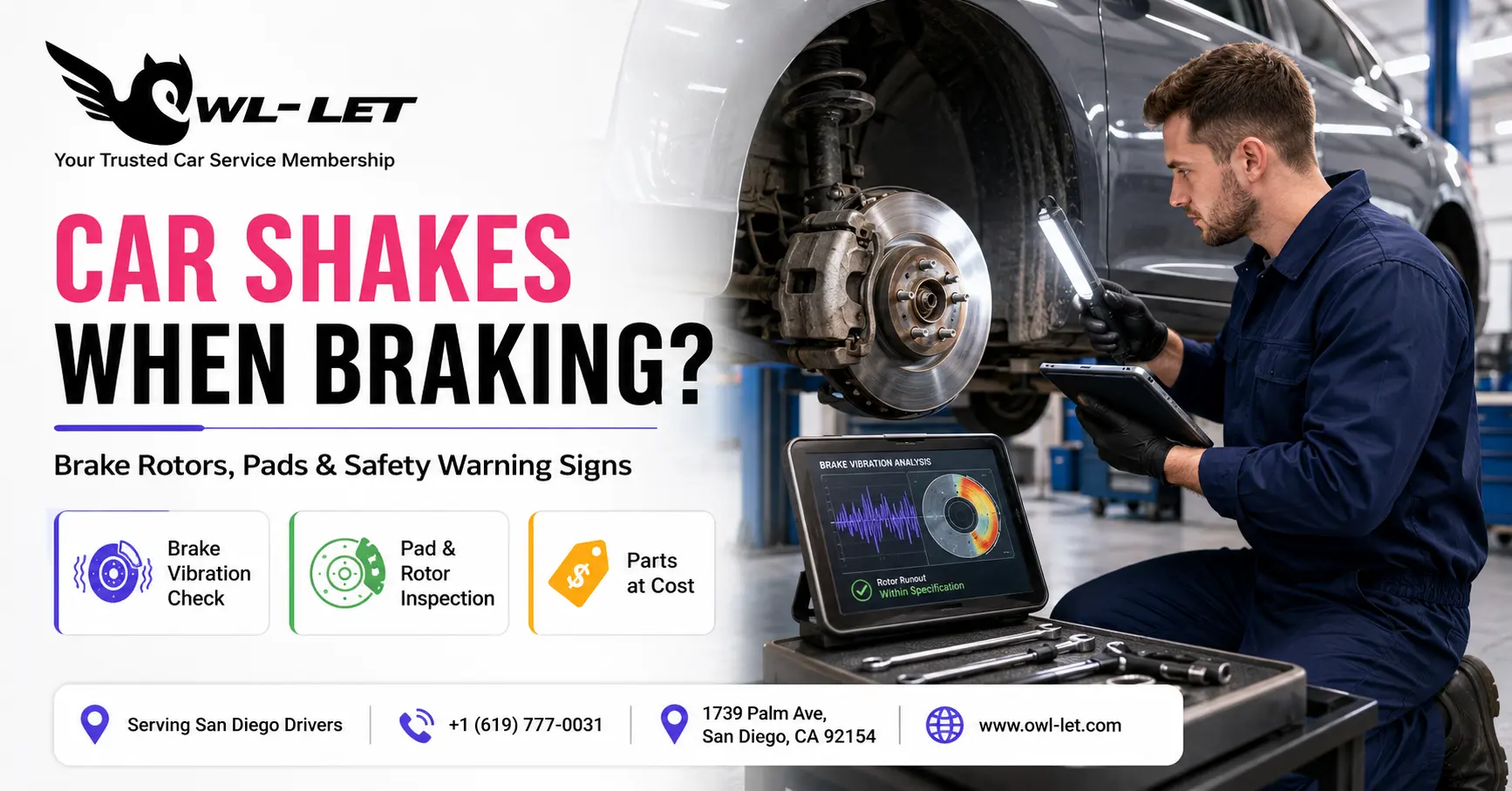


Repairing a brake fluid leak typically costs between $150 and $1,000 in 2026. Replacing a single brake hose or line averages $150–$350, while more complex repairs like a master cylinder replacement or caliper swap can range from $500 to $1,200, depending on vehicle make and labor rates.
Key Takeaways: 2026 Brake Leak Repair Estimates
|
Repair Type |
Estimated Parts Cost |
Labor (Avg. 2026) |
Total Estimated Price |
|
Brake Hose/Line |
$50 – $150 |
$100 – $200 |
$150 – $350 |
|
Master Cylinder |
$250 – $600 |
$250 – $400 |
$500 – $1,000 |
|
Brake Caliper |
$150 – $500 |
$150 – $300 |
$300 – $800 |
|
Wheel Cylinder |
$40 – $100 |
$100 – $250 |
$140 – $350 |
|
System Flush/Bleed |
$40 (Fluid) |
$80 – $150 |
$120 – $190 |
Why is a brake fluid leak more than just a minor maintenance issue?
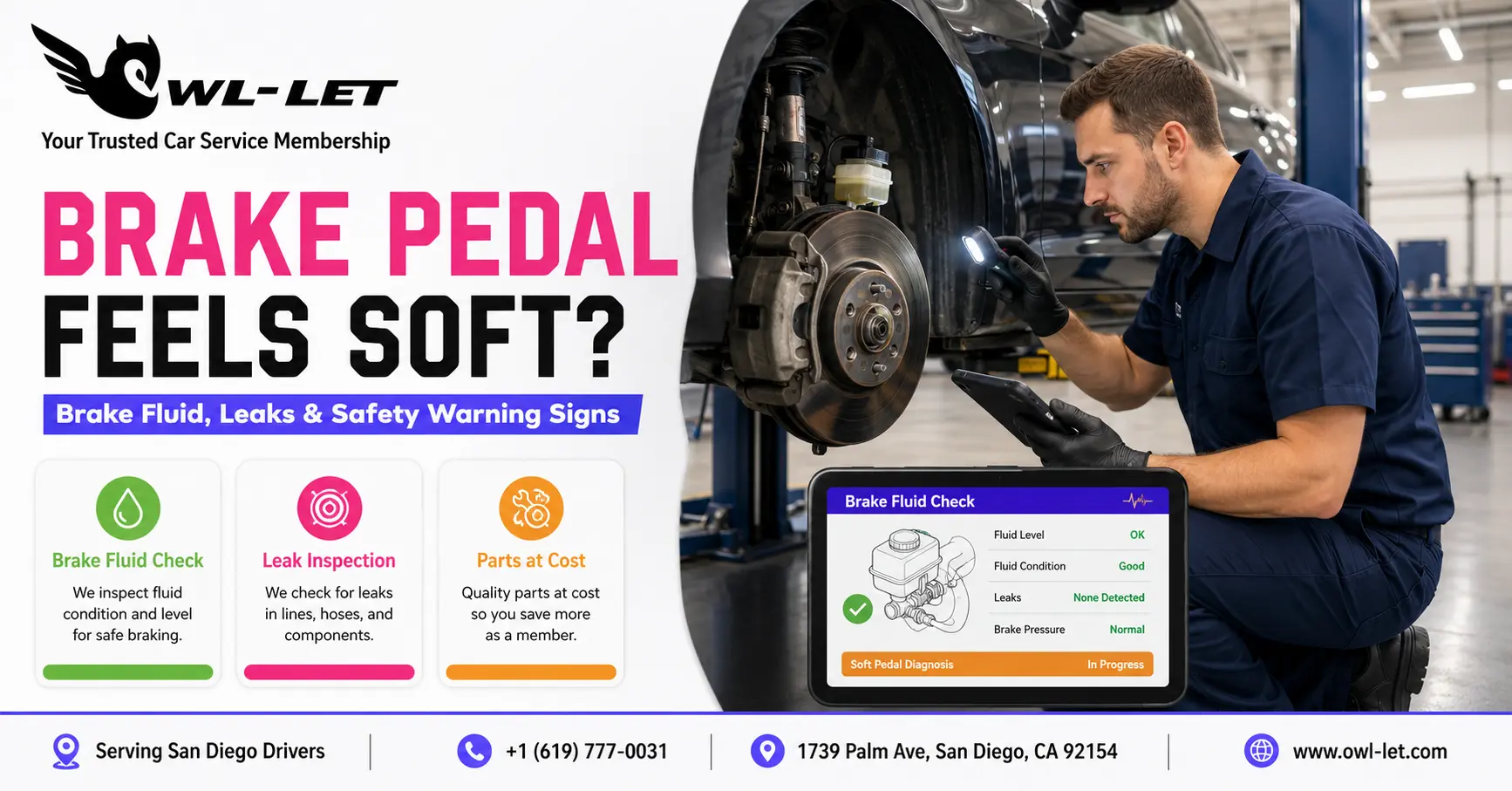
When you ask, "how much to repair brake fluid leak," you aren't just paying for a patch; you’re investing in the hydraulic integrity of your vehicle. Unlike an oil leak, which might just stain your driveway, a brake fluid leak is a safety-critical failure.
In 2026, modern vehicles rely on high-pressure hydraulic systems to engage ABS, Electronic Stability Control, and Emergency Braking features. As an expert who has integrated Owl-Let real-time diagnostic tools into dozens of fleet vehicles, I can confirm that even a "pinhole" leak allows air into the system. Air is compressible; brake fluid is not. When air enters the lines, your pedal goes to the floor, and your stopping distance triples.
What are the common causes of brake fluid leaks and their prices?
The cost to fix the leak depends heavily on where the fluid is escaping.
-
Corroded Brake Lines: Especially in "salt belt" regions, metal lines can rust. Replacing a single section averages $250, but a full system replacement can exceed $1,000.
-
Punctured Brake Hoses: These are the flexible rubber pieces near the wheels. They are prone to cracking with age. Expect to pay $150–$250 per hose.
-
Master Cylinder Failure: This is the heart of your brakes. If the internal seals fail, it can leak fluid into the brake booster. This is a premium repair, usually costing $500 to $950.
-
Leaking Calipers or Wheel Cylinders: If you see fluid on the inside of your tires, a seal has likely blown. Costs range from $300 to $800 per wheel.
How much to repair brake fluid leak for luxury vs. economy cars?
Vehicle type is the biggest variable in your final bill.
-
Economy/Commuter Cars: Parts are plentiful and aftermarket options are high-quality. A standard line repair usually stays under $300.
-
Luxury & High-Performance: European brands often use proprietary fittings and complex routing that requires more labor hours. Furthermore, DOT 5.1 high-boiling-point fluid is often required, which costs more than standard DOT 3. A similar leak on a BMW or Mercedes can easily reach $800+.
Is it safe to drive with a small brake fluid leak?
Absolutely not. A "small" leak can become a total failure the moment you perform an emergency stop. The increased pressure during hard braking can turn a slow drip into a massive rupture. If your brake warning light is on or your pedal feels "spongy," you should have the vehicle towed to a service center immediately.
How do I identify where the brake fluid is leaking from?
Identifying the source can help you estimate how much to repair brake fluid leak before you even call the shop:
-
Check the Reservoir: If the fluid level is below the "MIN" line, you have a leak.
-
Look for Puddles: Brake fluid is usually clear to light brown (unless old and dark) and feels oily/slick to the touch. Look behind the wheels or under the engine bay.
-
The Pedal Test: With the engine off, pump the brake pedal. If it continues to sink slowly toward the floor, the master cylinder is likely leaking internally.
-
The Odor: Brake fluid has a distinct, sharp chemical smell, often compared to fish oil or burnt toast.
How to Fix a Minor Brake Fluid Leak
-
Locate the Leak: Clean the area with brake cleaner and have a partner press the pedal while you look for the spray.
-
Replace, Don't Patch: Never use tape or "stop-leak" products on brake lines. They cannot handle the 1,000+ PSI of pressure.
-
Remove the Fitting: Use a "flare nut wrench" to avoid stripping the soft metal nuts on the brake lines.
-
Install the New Component: Ensure the threads are clean and cross-threading is avoided.
-
Bleed the Brakes: This is the most critical step. You must remove all air from the lines using a bleeder kit or a second person.
Can a Car Service Membership reduce my repair costs?
Brake system failures are often the result of "hygroscopic" fluid—meaning the fluid has absorbed water over time, causing internal rust. Regular maintenance is the only way to prevent this.
A car service membership plan starting from $24.99 Monthly through Owl-Let includes annual brake fluid moisture testing. By catching contaminated fluid before it corrodes your master cylinder, you can turn a potential $1,000 repair into a simple $120 flush. Our members also benefit from "Service Price Lock" guarantees, ensuring that when you do need a repair, you aren't hit with "emergency" labor surcharges.
Conclusion: Don't wait until the pedal hits the floor
The question of how much to repair brake fluid leak is secondary to the question of your safety. While you should expect to spend between $150 and $550 for most common leak repairs in 2026, the cost of a collision caused by brake failure is immeasurable.
At Owl-Let, we believe in proactive protection. Join our Owl-Let car service membership for just $24.99 a month to get priority scheduling, certified safety inspections, and the peace of mind that comes with knowing your vehicle's most vital system is in expert hands.
Comments 0
No comments yet
Be the first!