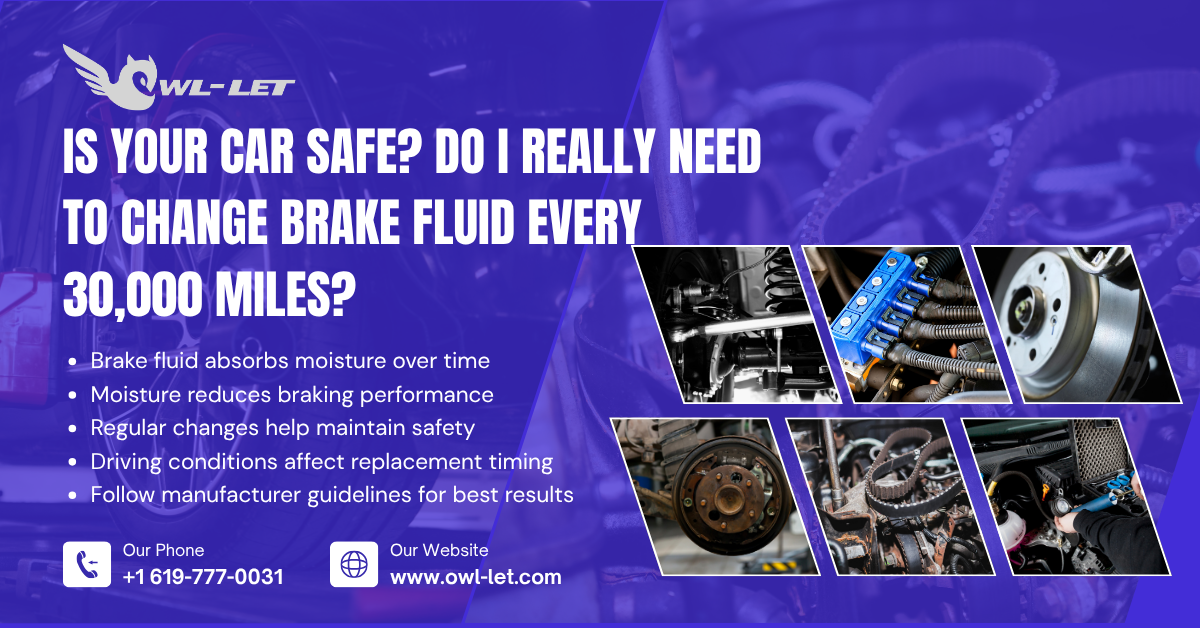
When you take your car in for a routine oil change, the technician often returns with a long checklist of "suggested" maintenance. Somewhere between the cabin air filter and the tire rotation, you’ll likely see a recommendation for a brake fluid flush. It usually comes with a specific question: Do I really need to change brake fluid every 30,000 miles?
For many drivers, this feels like an upsell. After all, if the car stops when you hit the pedal, the fluid must be working, right? Not necessarily. Unlike engine oil, which turns black and gritty when it's spent, brake fluid is a "silent" failure point.
In this guide, we will break down the science of hydraulic systems, why the 30,000-mile mark is the industry gold standard, and how keeping up with this simple service can save you thousands in repair costs.
Understanding the Role of Brake Fluid
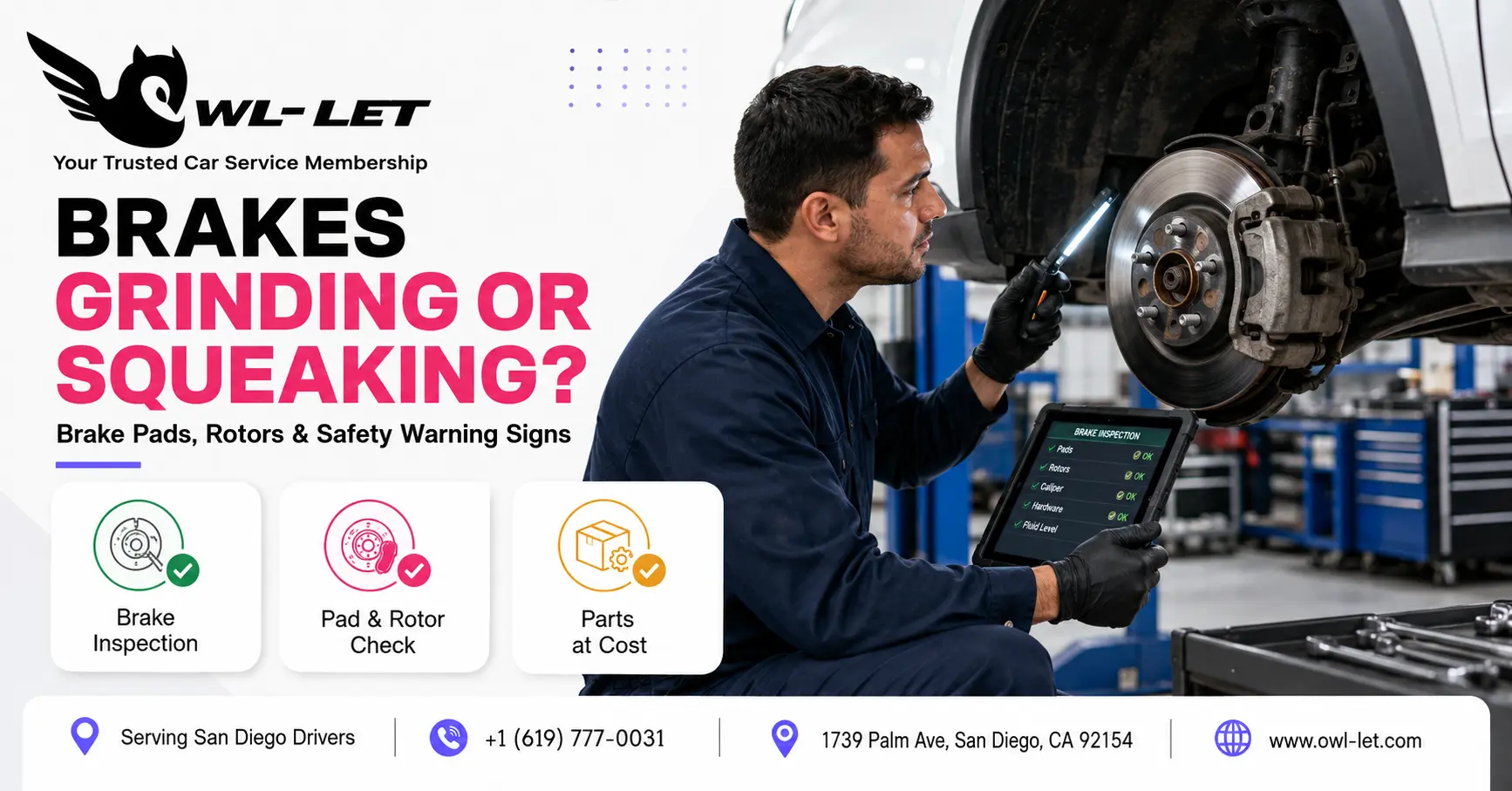
To understand why timing matters, you first have to understand what brake fluid actually does. Your braking system is hydraulic. When you press the brake pedal, you aren't physically pushing the pads against the rotors; you are moving a piston that pushes fluid through the lines. This fluid then forces the brake calipers to clamp down.
Because liquid doesn't compress, it transfers that force instantly. However, braking generates immense heat. This is where the chemistry of the fluid becomes critical.
Why the 30,000-Mile Interval is Vital
So, back to the big question: Do I really need to change brake fluid every 30,000 miles? While some luxury manufacturers suggest every two years regardless of mileage, the 30,000-mile mark is the sweet spot for most commuters. Here is why:
1. Preventing "Brake Fade"
As brake fluid absorbs water, its boiling point drops. Fresh DOT 3 fluid might boil at 401°F (Dry Boiling Point). Once it has absorbed just 3% water, that boiling point can plummet to 284°F (Wet Boiling Point).
-
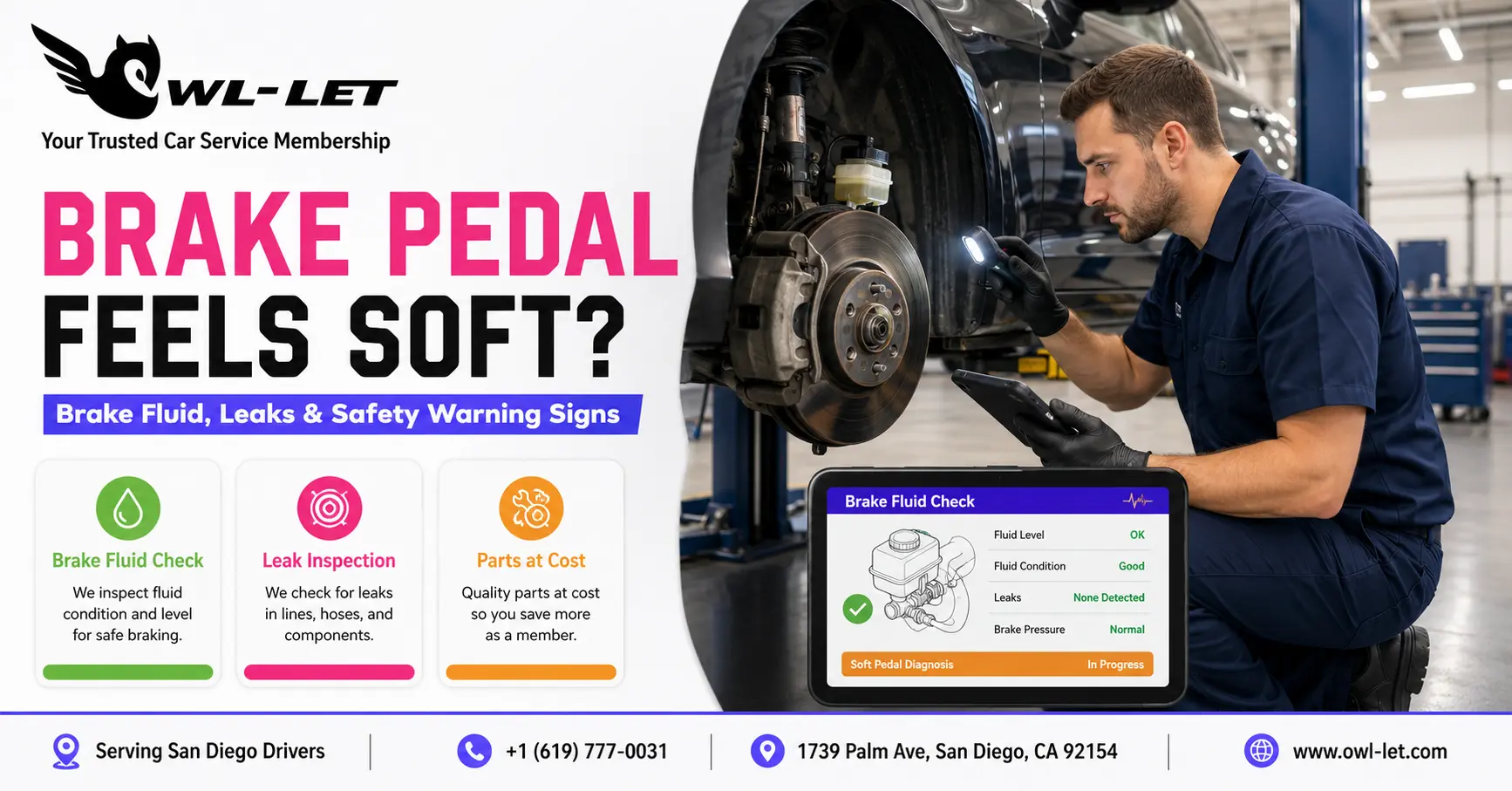
The Danger: If you are driving down a steep hill or braking hard in traffic, the fluid can literally boil. This creates gas bubbles in the lines. Since gas is compressible, your brake pedal will feel "spongy" or go straight to the floor—a terrifying phenomenon known as brake fade.
2. Protecting the ABS and Traction Control
Your car’s Anti-lock Braking System (ABS) and Stability Control rely on incredibly complex, expensive valves and pumps. Water in the lines leads to internal corrosion. Over time, tiny flakes of rust can clog these valves. Replacing an ABS control module can cost anywhere from $800 to $2,000, whereas a fluid flush is a fraction of that cost.
3. Extending the Life of Calipers and Master Cylinders
Moisture doesn't just lower the boiling point; it eats away at the rubber seals in your master cylinder and calipers. Periodic flushing ensures that the "internals" of your braking system stay lubricated and corrosion-free.
Signs Your Brake Fluid Needs Immediate Attention
While 30,000 miles is the recommended interval, your driving environment might require a change sooner. If you live in a high-humidity area (like coastal regions) or a mountainous area, keep an eye out for these symptoms:
-
Soft or Spongy Pedal: If you have to "pump" the brakes to get them to bite.
-
Discolored Fluid: Peer into the reservoir. Fresh fluid is clear or slightly amber. If it looks like dark tea or has black sediment, it’s oxidized and full of moisture.
-
The ABS Light: Sometimes, old, dirty fluid can trigger sensors within the hydraulic system.
-
A Strange Burning Smell: If the fluid is boiling or the calipers are sticking due to corrosion, you’ll smell a sharp, acrid scent after heavy braking.
Why Choose Owl-Let for Your Brake Maintenance?
At Owl-Let, we believe that car ownership shouldn't be a series of expensive surprises. We specialize in proactive vehicle health, ensuring that small maintenance tasks—like a brake fluid flush—don't turn into catastrophic mechanical failures.
The Owl-Let Membership Advantage
Maintaining a vehicle is a marathon, not a sprint. That’s why we offer a specialized Owl-Let Membership. Instead of paying premium "emergency" prices at a dealership, our members enjoy:
-
Scheduled Reminders: We track your mileage so you never have to wonder "when was my last flush?"
-
Vetted Service Partners: We connect you with top-tier technicians who use the correct DOT-rated fluids for your specific make and model.
-
Cost Savings: Membership perks often include significant discounts on preventative maintenance, making that 30,000-mile service easier on your wallet.
Whether you are driving a performance sedan or a family SUV, our goal is to keep your "stopping power" at 100%.
Common Mistakes to Avoid
-
Mixing Fluid Types: Never mix DOT 5 (silicone-based) with DOT 3 or 4 (glycol-based). They don't mix and will turn into a gel that ruins your brakes.
-
Leaving the Cap Off: Even 15 minutes of exposure to humid air can start the moisture absorption process.
-
Ignoring the Time Factor: If you only drive 5,000 miles a year, you should still change your fluid every 2–3 years. Time kills brake fluid just as much as mileage does.
Final Thoughts
The answer to "Do I really need to change brake fluid every 30,000 miles?" is a resounding yes. It isn't just about maintenance; it's about safety. Your brakes are the most important safety feature on your vehicle, and the fluid is the lifeblood of that system.
Don't wait for a spongy pedal to take action. Visit Owl-Let today to learn more about our car service membership and how we can help you stay ahead of the curve.
Comments 0
No comments yet
Be the first!