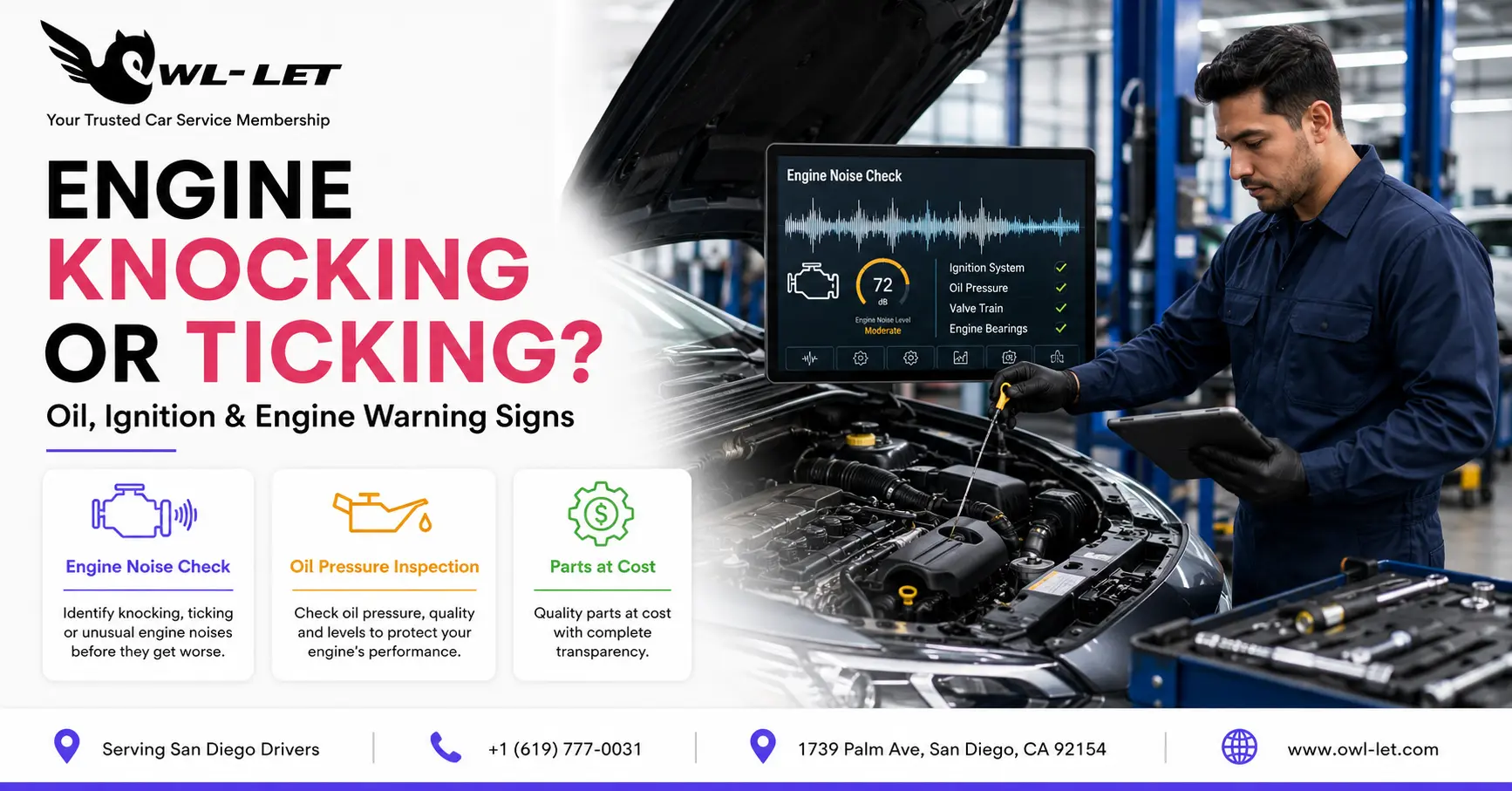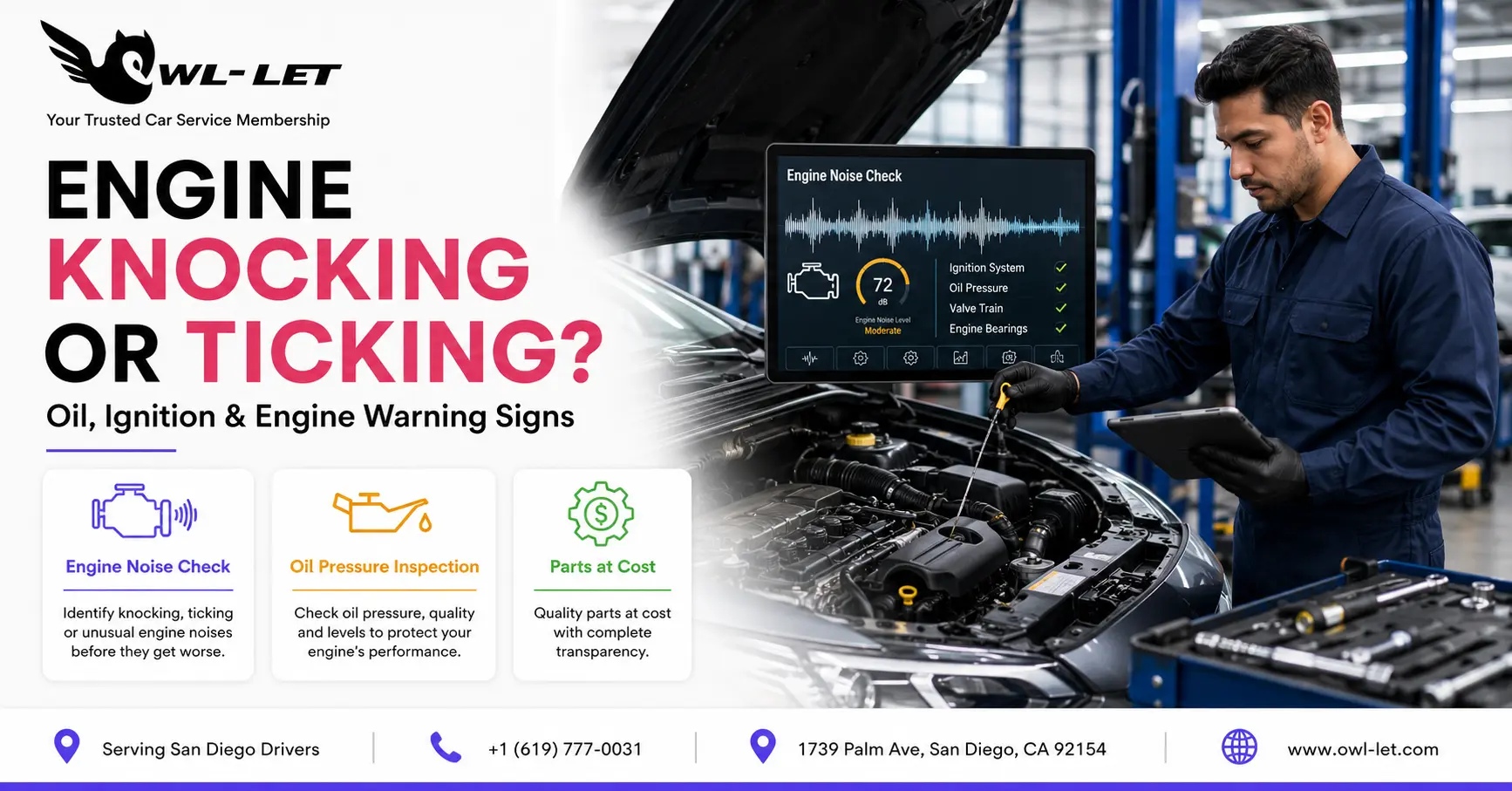
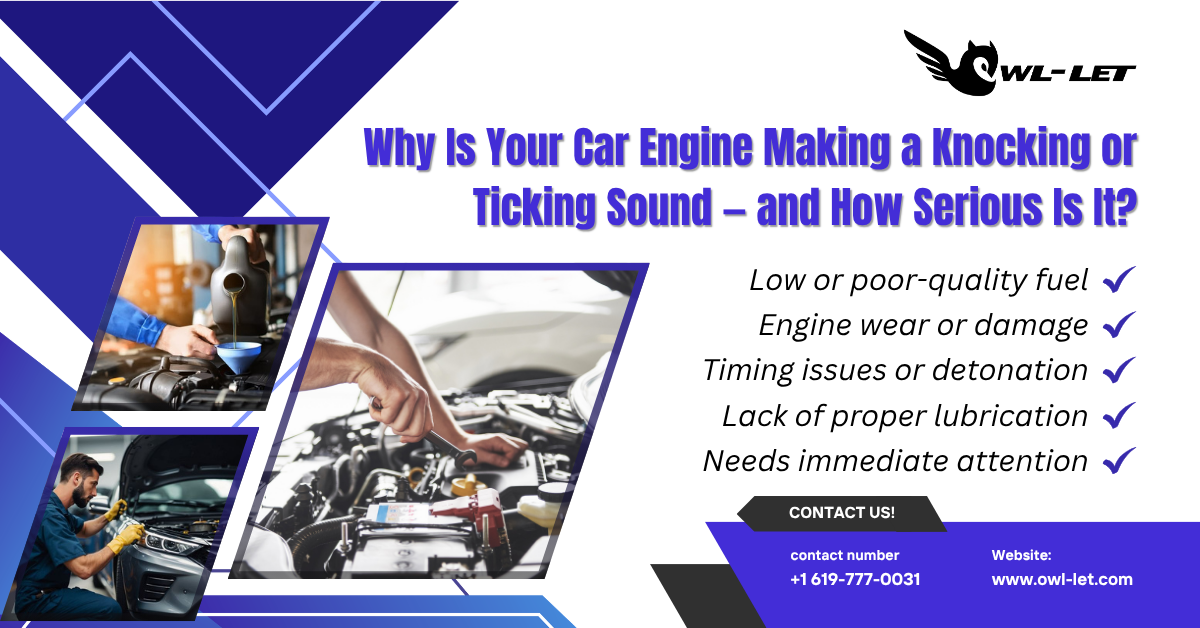
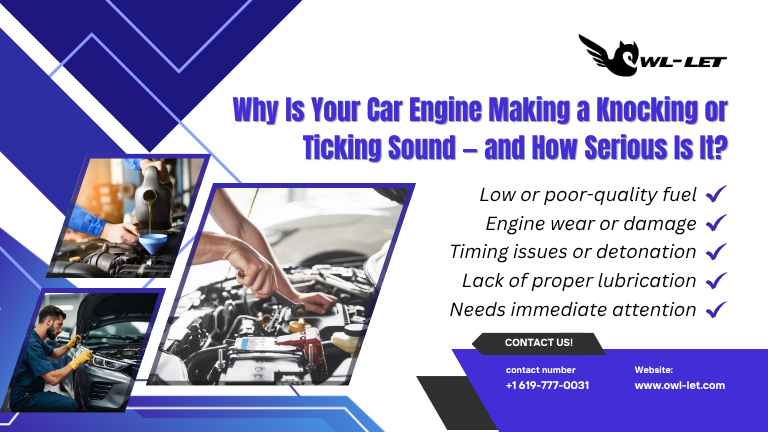
A car engine knocking or ticking sound usually indicates low oil pressure, worn valve train components, or ignition timing issues (detonation). While a light tick might just be a cold start-up, a loud metallic "knock" is often a sign of critical mechanical failure. You should address these sounds immediately to prevent total engine seizure.
Key Takeaways: Diagnosing Engine Noise
|
Sound Type |
Potential Cause |
Urgency Level |
Recommended Action |
|
Light Ticking |
Low Oil or Lifter Tick |
Moderate |
Check oil levels immediately. |
|
Rapid Clicking |
Fuel Injectors or Solenoid |
Low |
Normal for modern GDI engines. |
|
Deep Knocking |
Rod Bearing Failure |
Critical |
Stop driving; tow to a mechanic. |
|
Metallic Ping |
Low Octane Fuel / Spark Plugs |
High |
Use higher octane; check timing. |
What Does It Mean if Your Engine Is Ticking?
When you first hear that rhythmic click-click-click, it’s easy to panic. However, understanding the mechanics behind the sound is the first step in determining why is your car engine making a knocking or ticking sound — and how serious is it? In many modern vehicles, a light ticking is actually a sign of the high-pressure fuel injectors working. However, if the sound grows louder as you accelerate, you are likely looking at a reciprocating engine component issue. This often points to the "top end" of the engine, specifically the valves, lifters, or the camshaft.
Can Low Oil Cause a Ticking Sound?
Absolutely. This is the most common "non-critical" cause that can quickly become a catastrophe. Your engine relies on hydraulic pressure to keep components moving smoothly.
-
Oil Viscosity: If the oil is too thin or too old, it fails to coat the lifters properly.
-
Oil Starvation: If the level is low, air enters the system, leading to a "ticking" sound as metal hits metal without a lubricating cushion.
-
Expert Tip: Before calling a tow truck, check your dipstick. If the oil is dark or below the "low" line, a top-off might solve the noise.
Why Is Your Car Engine Making a Knocking Sound Under Load?
Unlike a tick, a knock is a deeper, more hollow thud. If you notice this sound specifically when you press the gas pedal or climb a hill, you are likely experiencing engine detonation (pre-ignition).
This happens when the air-fuel mixture in the cylinders ignites in multiple places at once. Instead of a smooth burn, you get a mini-explosion that rattles the pistons.
-
Low Octane Fuel: Using "Regular" gas in an engine designed for "Premium" is a leading cause.
-
Carbon Deposits: Over time, carbon builds up in the combustion chamber, increasing compression to unstable levels.
-
Faulty Knock Sensor: Your car's computer (ECU) usually adjusts timing to stop knocking, but a failed sensor prevents this correction.
Is a "Rod Knock" the End of My Engine?
If the knocking is heavy, metallic, and comes from the bottom of the engine, it is likely a spun rod bearing. This occurs when the bearing between the connecting rod and the crankshaft wears down or fails.
Expert Insight: A rod knock is a "death rattle" for engines. If you continue to drive with a failed rod bearing, the rod can literally break and punch a hole through the side of your engine block. At this stage, the "seriousness" is 10/10.
How Do I Tell the Difference Between Ticking and Knocking?
Distinguishing between these two can save you thousands in diagnostic fees.
-
Frequency: Ticking is usually faster and higher-pitched (like a sewing machine). Knocking is slower and deeper (like someone hitting a table with a hammer).
-
Location: Use a mechanic’s stethoscope (or a long screwdriver held to your ear) to listen to the valve cover (ticking) versus the oil pan (knocking).
-
Engine RPM: Ticking often stays constant or disappears at high speeds; knocking usually gets Louder and more violent as RPMs increase.
How Serious Is an Intermittent Engine Noise?
Intermittent noises are often related to thermal expansion. If your engine ticks only when cold, it might be "piston slap"—where the piston wiggles slightly in the cylinder until it heats up and expands to fit. While annoying, it is often less serious than a constant, heavy knock.
However, ignoring any change in engine acoustics is a gamble. Systematic maintenance is the only way to ensure these small vibrations don't turn into "catastrophic mechanical synchronicity."
How Can Proper Maintenance Prevent Engine Knocking?
The best way to address the question of why is your car engine making a knocking or ticking sound is to never let it start in the first place. High-quality lubrication and cooling are the "immune system" of your vehicle.
-
Regular Fluid Analysis: Checking for metal shavings in your oil can catch a bearing failure months before it starts knocking.
-
Spark Plug Replacement: Worn plugs cause misfires and uneven combustion, leading to the "pinging" sounds mentioned earlier.
-
Quality Parts: Always use OEM-spec filters to ensure consistent oil pressure.
Conclusion: Protecting Your Automotive Investment
Hearing an unexpected sound from under the hood is your car’s way of asking for help. Whether it’s a minor lifter tick or a terminal rod knock, the key is acting fast. Most major engine failures are preceded by weeks of "warning" sounds that were simply ignored.
At Owl-Let , we believe that premium engine health shouldn't be a luxury. Through proactive care and expert monitoring, you can extend the life of your vehicle by years. Our Owl-Let Car Service Membership Plan is designed for drivers who value peace of mind. Starting at just $24.99 Monthly, our members receive priority diagnostics and routine maintenance checks that catch these "ticking" issues before they become "knocking" disasters.
Don't wait for the tow truck. Secure your engine's future today at www.owl-let.com.
Comments 0
No comments yet
Be the first!